Help Utahns understand their communities and hold government accountable. Through nonpartisan, AI-assisted research, we examine public records, follow decisions and votes, and connect readers with local news, events and places.
Everything Utah, every day.
Explore Utah
Utah wildlife and plants
The animals and plants of Utah's mountain forests, red-rock desert, sagebrush valleys and Great Salt Lake wetlands.
Get to know Utah through the animals and plants that live here. Browse the 63 profiles by habitat or region, compare a species' seasonal habits, and follow the linked agency and university sources when you want to learn more. Start with the landscape you expect to visit, then narrow the list to wildlife or plants.
This is an introduction, not a complete inventory or a field-identification key. A region label describes the range or location a profile's sources support; it does not promise a sighting. Seasonal notes describe general patterns, and we don't publish exact sites for nests, roosts, colonies or rare plants. Check the land manager's current access information separately before a trip.
Choose a way in
I saw something and want to learn about it.Search a common or scientific name below. If you don't know the name, start with a broad group and habitat, then compare the profile's details rather than relying on color alone.
I'm planning a nature walk.Choose a region and habitat, and read a few profiles before you leave. Keep expectations flexible: a quiet walk is still a chance to notice plants, tracks and the way habitats connect.
I'm visiting with children or a new observer.Pick one plant and one animal to learn about. Make the goal careful observation, not finding every species on a checklist.
Learn the landscape
A seasonal comparison makes a familiar landscape easier to read. At Arches, rainfall strongly shapes the wildflower display; at Cedar Breaks, high meadows bloom through a short summer. Those are local examples of why one statewide "best week" would mislead. Try the mountain and desert habitats, then the spring and summer pages.
Each profile answers three separate questions: what the organism is, what habitat or range its sources support, and what a visitor can responsibly observe. Conservation labels are shown with their category, scope and date, because a federal listing, a state priority list and a native-or-introduced label answer different questions.
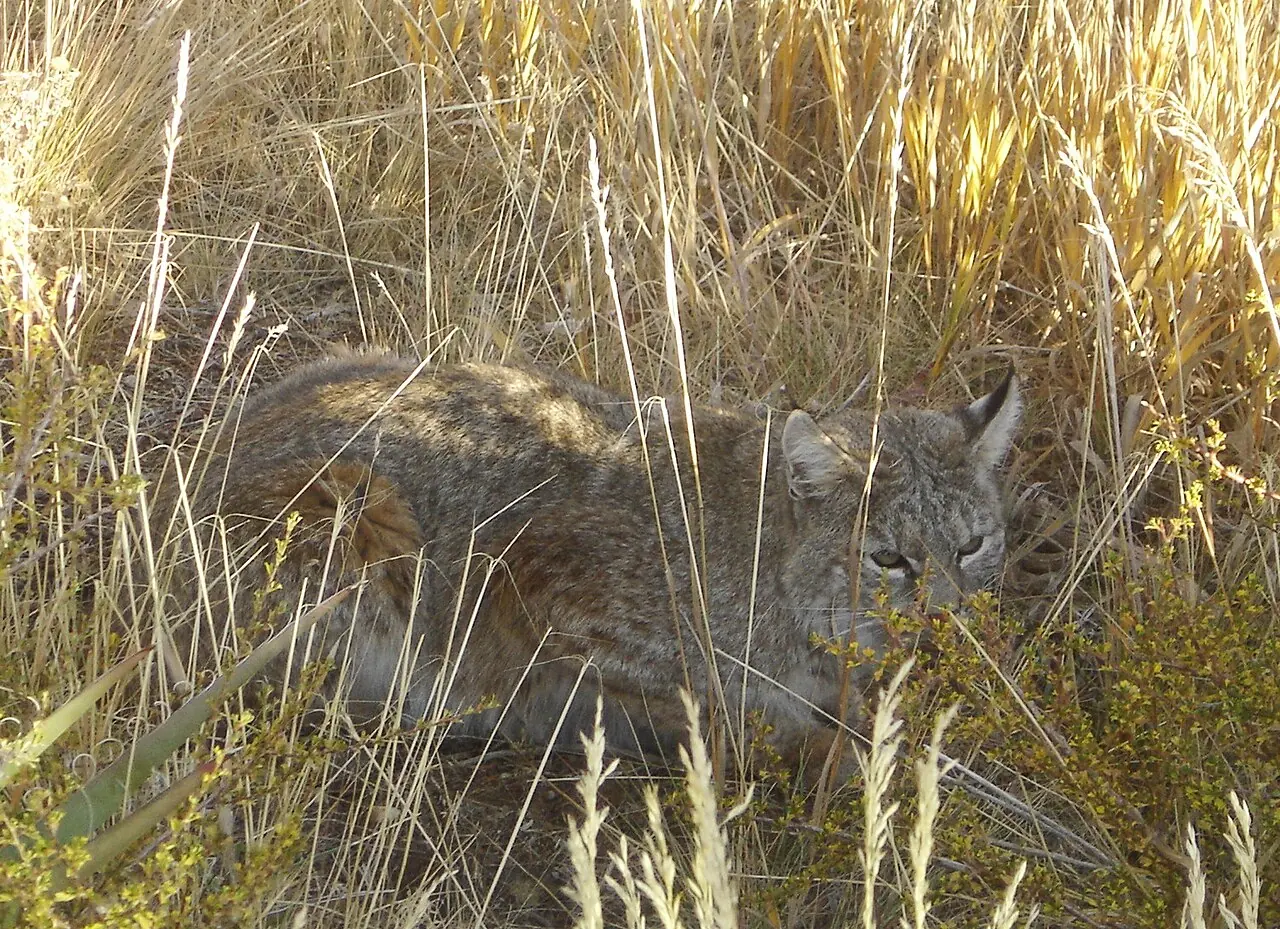
A seldom-seen wild cat named for its short, bobbed tail.
i
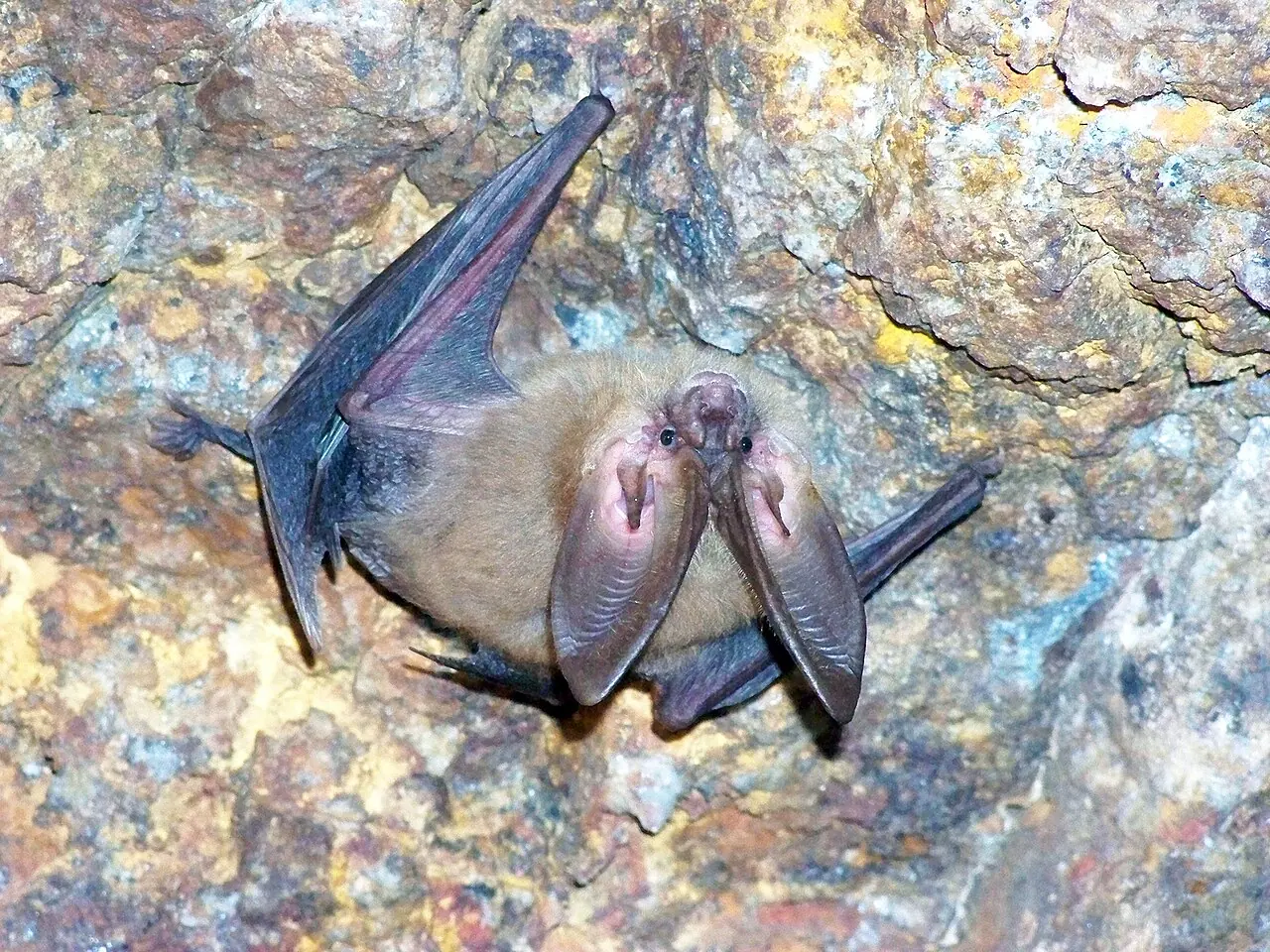
File photo: Townsend’s big-eared bat in Utah, BLM archive. One of the bat species found in the state. Photo: John Larson / BLM Utah · Public domain · Wikimedia Commons
File photo: Townsend’s big-eared bat in Utah, BLM archive. One of the bat species found in the state. Photo: John Larson / BLM Utah · Public domain · Wikimedia Commons
Insect-eating flying mammals whose lives depend on suitable roosts, water and a safe seasonal cycle.
i
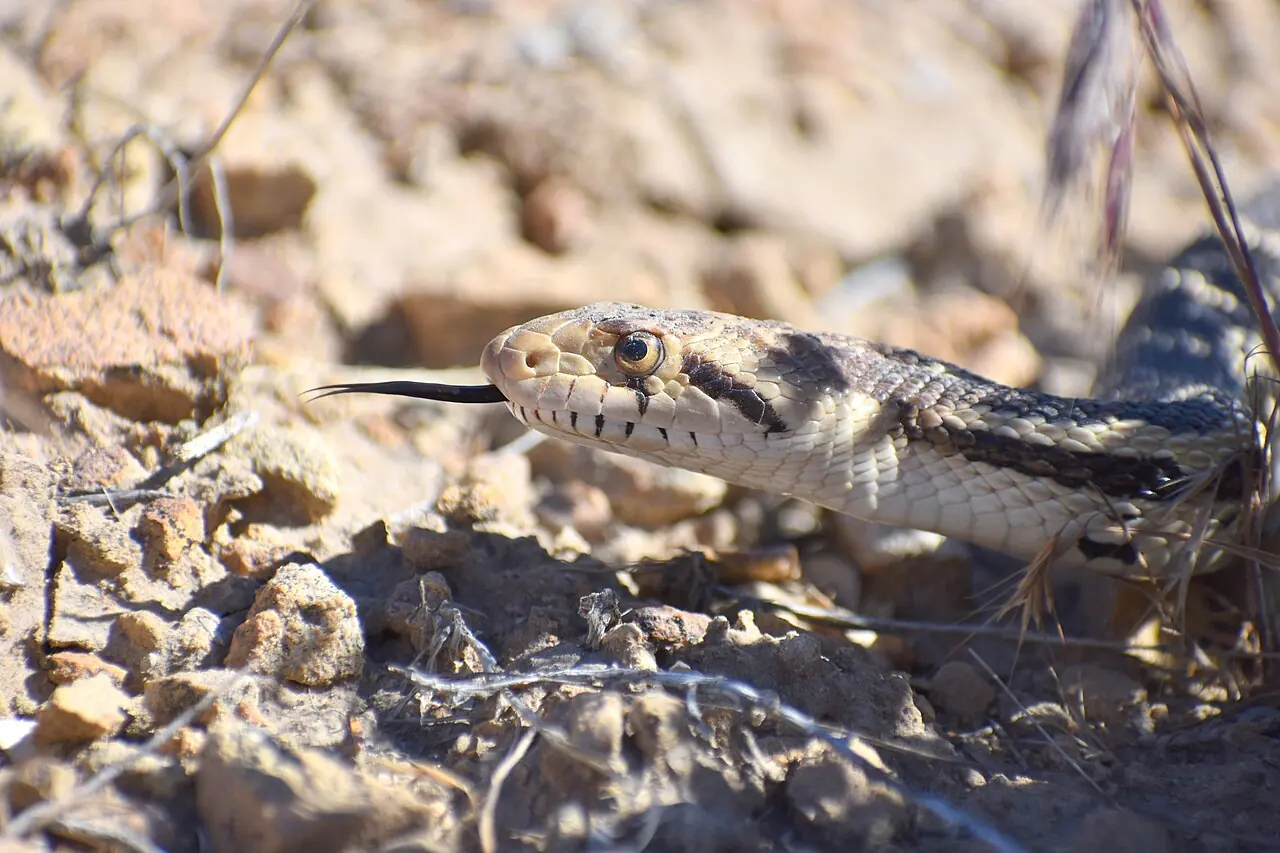
File photo: Gopher snake, Arches National Park archive, May 2017. One of Utah’s nonvenomous snake species. Photo: Marty Tow / National Park Service · Public domain · Wikimedia Commons
File photo: Gopher snake, Arches National Park archive, May 2017. One of Utah’s nonvenomous snake species. Photo: Marty Tow / National Park Service · Public domain · Wikimedia Commons
A heavy-bodied, mostly plant-eating lizard that uses rocky crevices as both refuge and defense.
Sauromalus ater
Plants
i
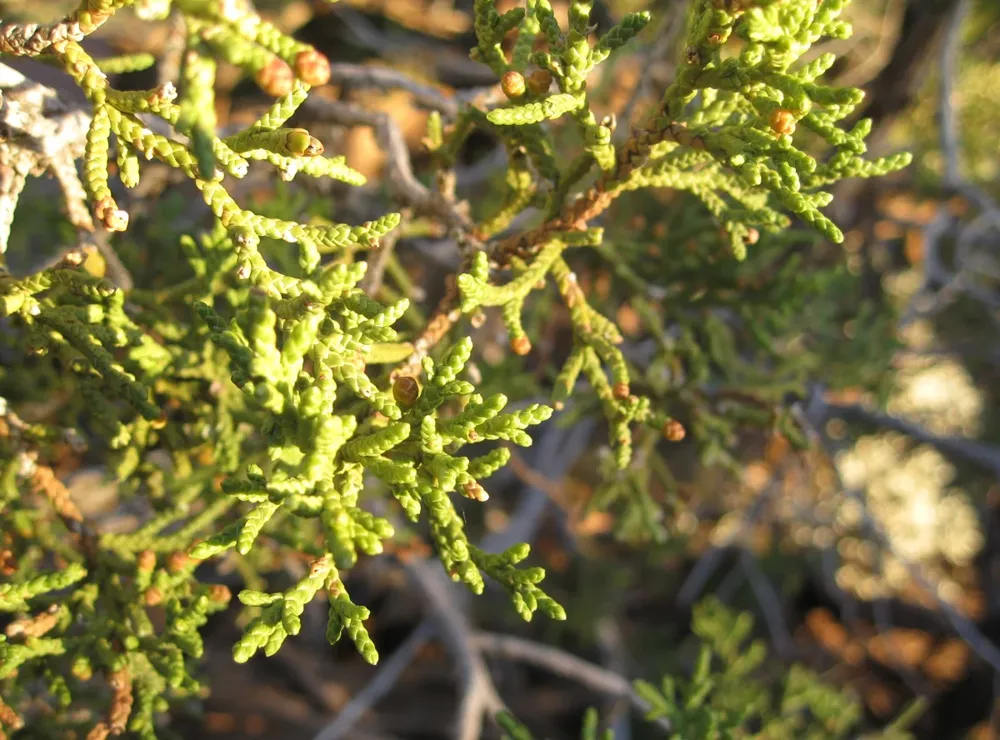
File photo: Scale-like Utah juniper foliage and round cones — Bears Ears, September 2010. Photo: brewbooks from near Seattle, USA · CC BY-SA 2.0 · Wikimedia Commons
File photo: Scale-like Utah juniper foliage and round cones — Bears Ears, September 2010. Photo: brewbooks from near Seattle, USA · CC BY-SA 2.0 · Wikimedia Commons
A drought-tolerant evergreen with scale-covered twigs, fibrous bark, and berry-like cones that feed wildlife.
Juniperus osteosperma
i
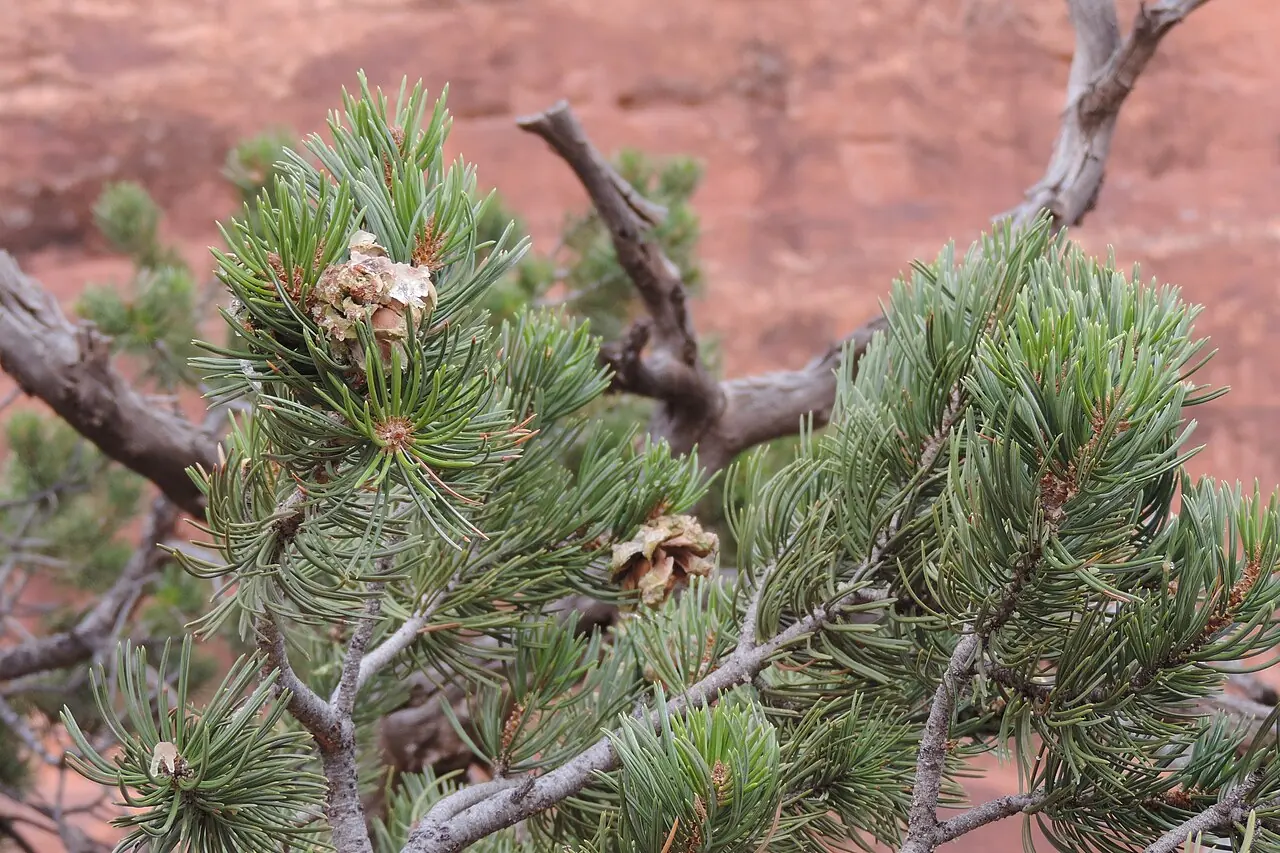
File photo: Pinyon pine needles and cones in Arches National Park (2016-09-07 23:38:35). Photo: Krzysztof Ziarnek, Kenraiz · CC BY-SA 4.0 · Wikimedia Commons
File photo: Pinyon pine needles and cones in Arches National Park (2016-09-07 23:38:35). Photo: Krzysztof Ziarnek, Kenraiz · CC BY-SA 4.0 · Wikimedia Commons
The small pine of pinyon-juniper woodland, with needles in pairs.
Pinus edulis
i
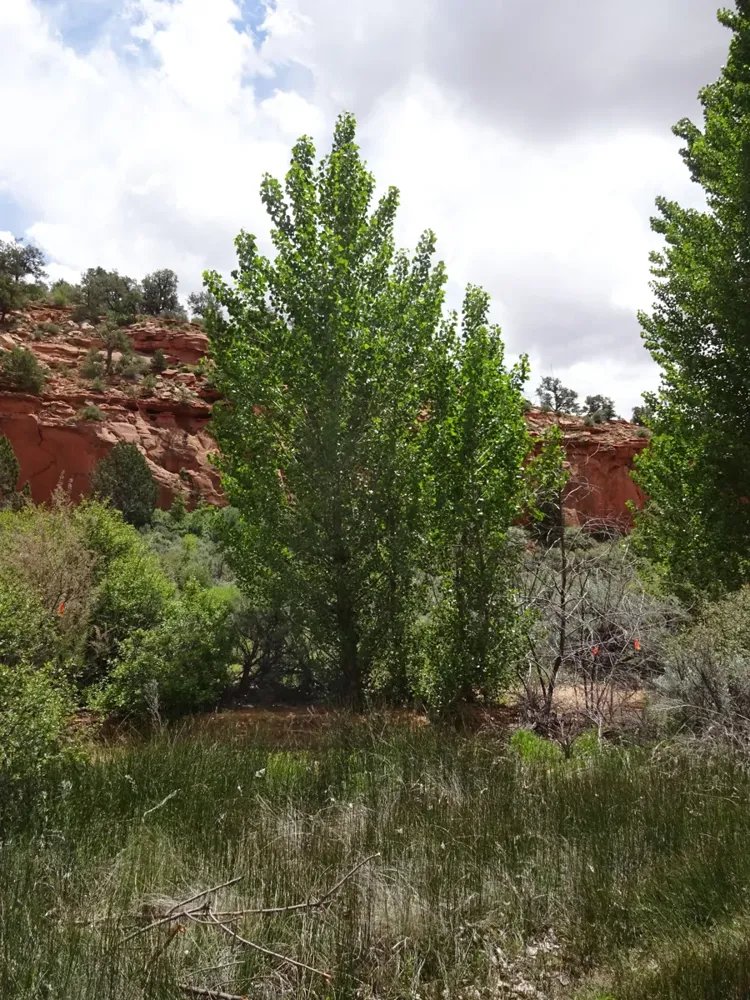
File photo: A green Fremont cottonwood tree beside red sandstone — Johnson Lakes Canyon, Kane County, May 2016. Photo: Andrey Zharkikh from Salt Lake City, USA · CC BY 2.0 · Wikimedia Commons
File photo: A green Fremont cottonwood tree beside red sandstone — Johnson Lakes Canyon, Kane County, May 2016. Photo: Andrey Zharkikh from Salt Lake City, USA · CC BY 2.0 · Wikimedia Commons
A broad-crowned river tree whose new generations depend on the right combination of flowing water, exposed sediment, and moisture.
Populus fremontii
i
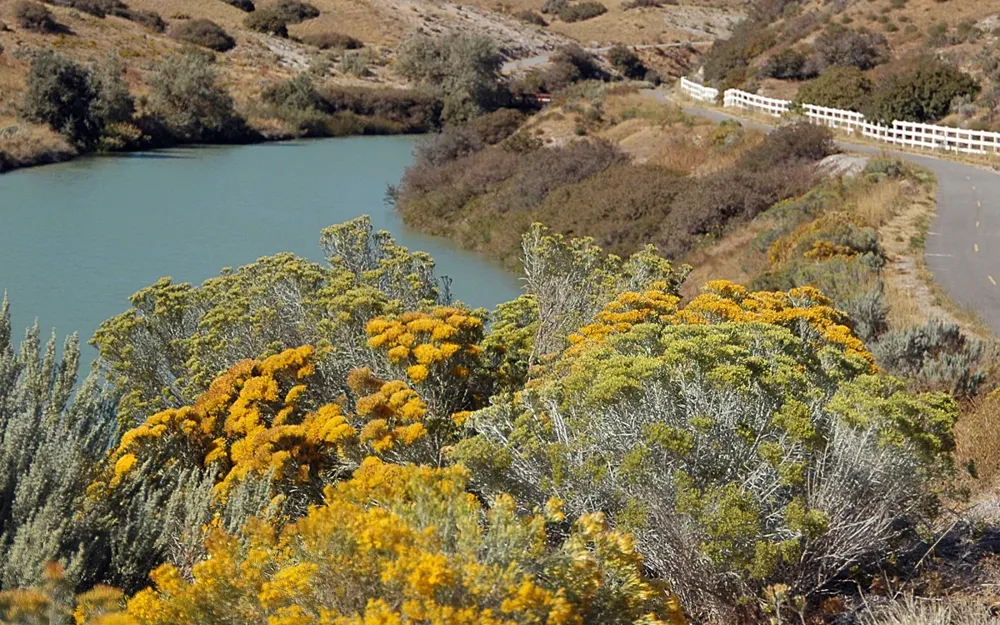
File photo: Yellow-flowering rubber rabbitbrush above the Jordan River — Jordan River Parkway near Salt Lake City, September 2004. Photo: Cory Maylett · CC BY-SA 4.0 · Wikimedia Commons
File photo: Yellow-flowering rubber rabbitbrush above the Jordan River — Jordan River Parkway near Salt Lake City, September 2004. Photo: Cory Maylett · CC BY-SA 4.0 · Wikimedia Commons
A flexible-stemmed native shrub whose late-season yellow flowers extend feeding opportunities for pollinators.
Ericameria nauseosa
i
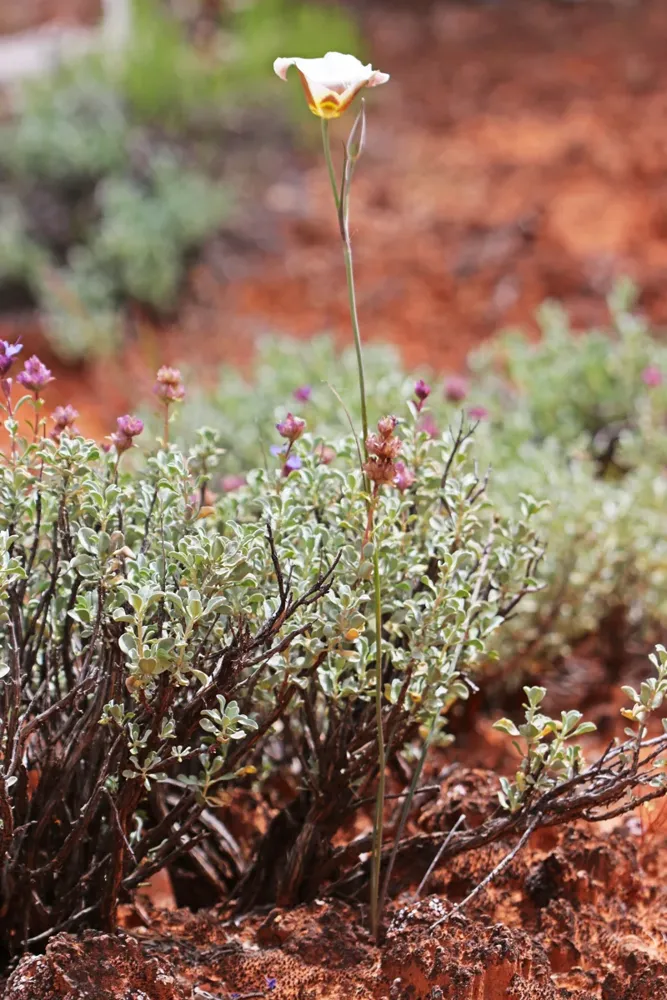
File photo: A sego lily flower on a slender stalk above low desert vegetation — Johnson Lakes Canyon, Kane County, May 2016. Photo: Andrey Zharkikh from Salt Lake City, USA · CC BY 2.0 · Wikimedia Commons
File photo: A sego lily flower on a slender stalk above low desert vegetation — Johnson Lakes Canyon, Kane County, May 2016. Photo: Andrey Zharkikh from Salt Lake City, USA · CC BY 2.0 · Wikimedia Commons
Utah's state flower briefly lifts a three-petaled cup above open, dry-country vegetation before its aboveground growth fades.
Calochortus nuttallii
i
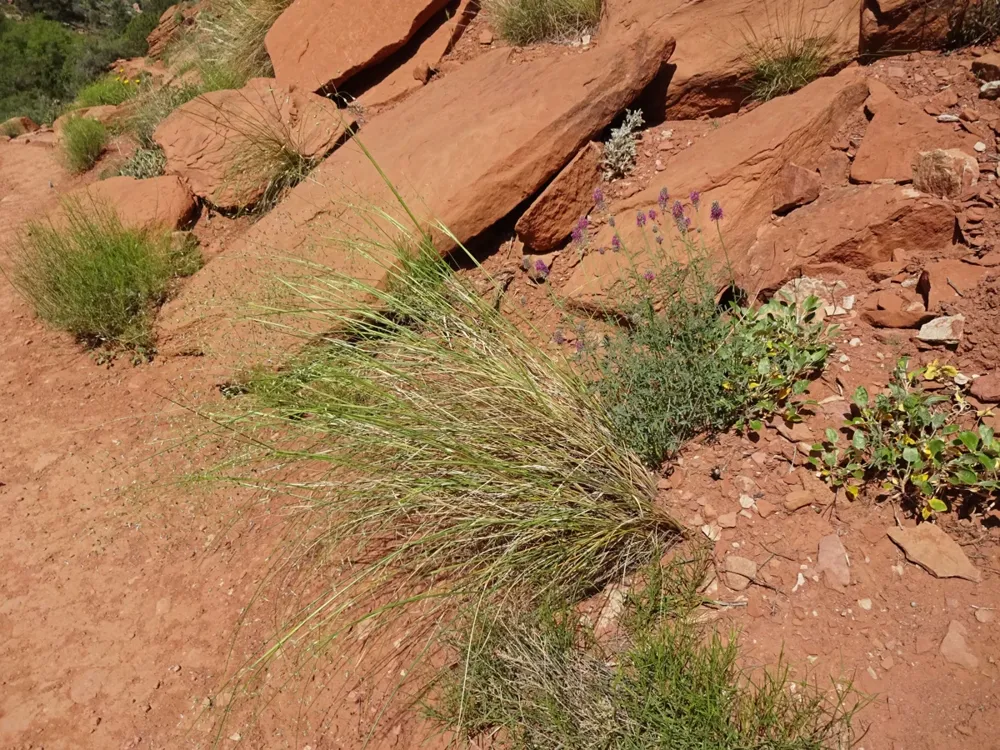
File photo: A tuft of Indian ricegrass with airy seed heads beside red sandstone — Watchman Trail, Zion National Park, April 2016. Photo: Andrey Zharkikh from Salt Lake City, USA · CC BY 2.0 · Wikimedia Commons
File photo: A tuft of Indian ricegrass with airy seed heads beside red sandstone — Watchman Trail, Zion National Park, April 2016. Photo: Andrey Zharkikh from Salt Lake City, USA · CC BY 2.0 · Wikimedia Commons
Utah's state grass is a cool-season perennial whose airy seedheads rise from distinct clumps on dry ground.
Achnatherum hymenoides
i
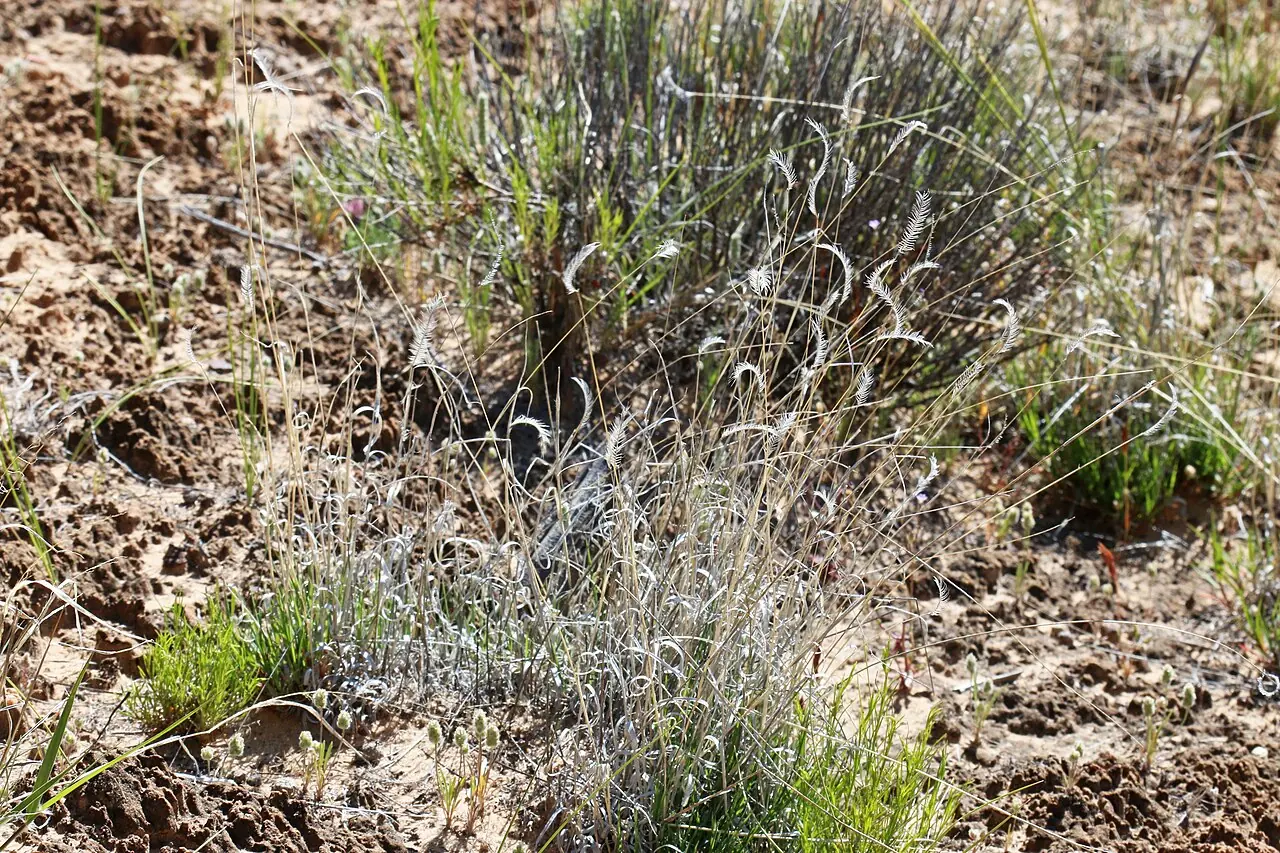
File photo: A clump of blue grama grass in Kane County, Utah (2016-05-27 10:06). Photo: Andrey Zharkikh from Salt Lake City, USA · CC BY 2.0 · Wikimedia Commons
File photo: A clump of blue grama grass in Kane County, Utah (2016-05-27 10:06). Photo: Andrey Zharkikh from Salt Lake City, USA · CC BY 2.0 · Wikimedia Commons
A low native grass with sideways, eyelash-like seedheads and a growing season tied to warmth and summer moisture.
Bouteloua gracilis
i
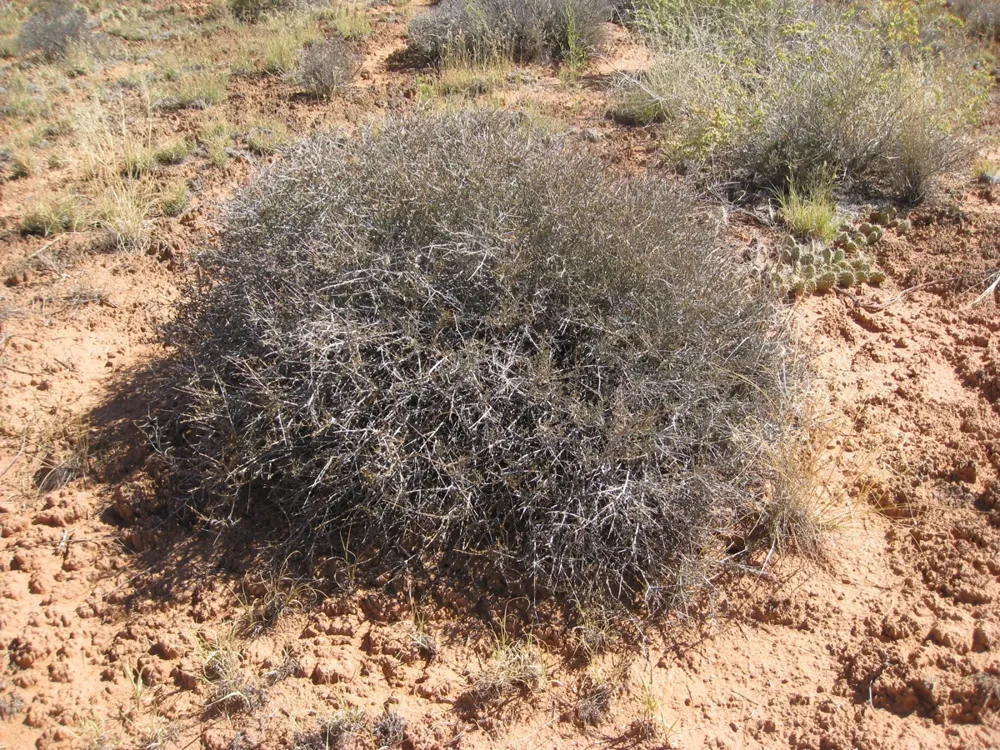
File photo: A densely branched blackbrush shrub on desert soil — Chesler Park, Canyonlands National Park, September 2010. Photo: brewbooks from near Seattle, USA · CC BY-SA 2.0 · Wikimedia Commons
File photo: A densely branched blackbrush shrub on desert soil — Chesler Park, Canyonlands National Park, September 2010. Photo: brewbooks from near Seattle, USA · CC BY-SA 2.0 · Wikimedia Commons
A tangled desert shrub of shallow soils whose branches darken when wet.
Coleogyne ramosissima
i
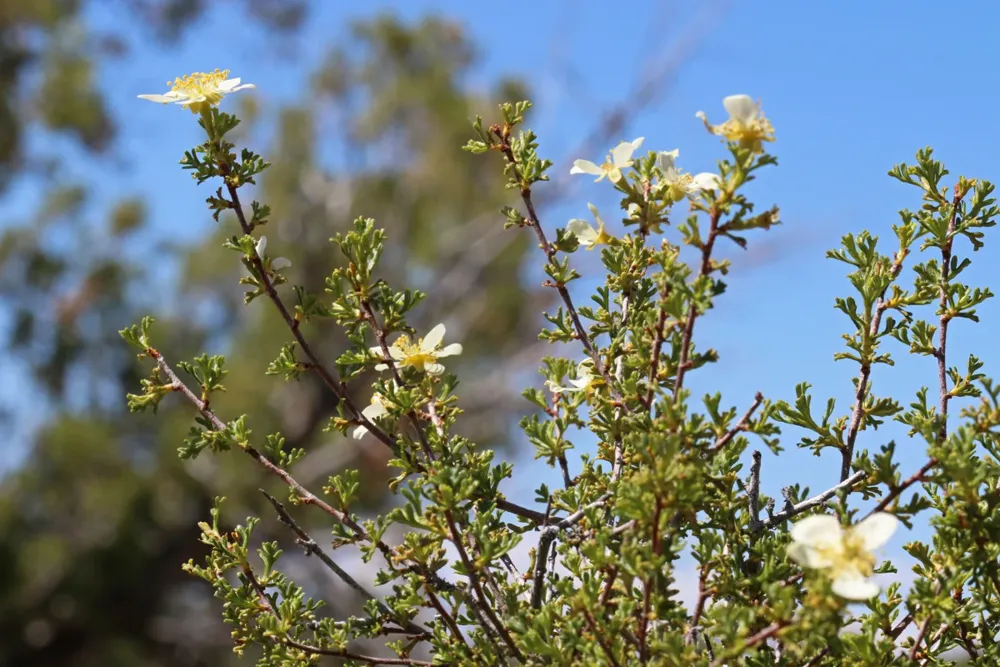
File photo: White cliffrose flowers and small green leaves against blue sky — Johnson Lakes Canyon, Kane County, May 2016. Photo: Andrey Zharkikh from Salt Lake City, USA · CC BY 2.0 · Wikimedia Commons
File photo: White cliffrose flowers and small green leaves against blue sky — Johnson Lakes Canyon, Kane County, May 2016. Photo: Andrey Zharkikh from Salt Lake City, USA · CC BY 2.0 · Wikimedia Commons
An evergreen shrub with fragrant cream flowers and feathery-tailed seeds.
Purshia mexicana var. stansburyana
i
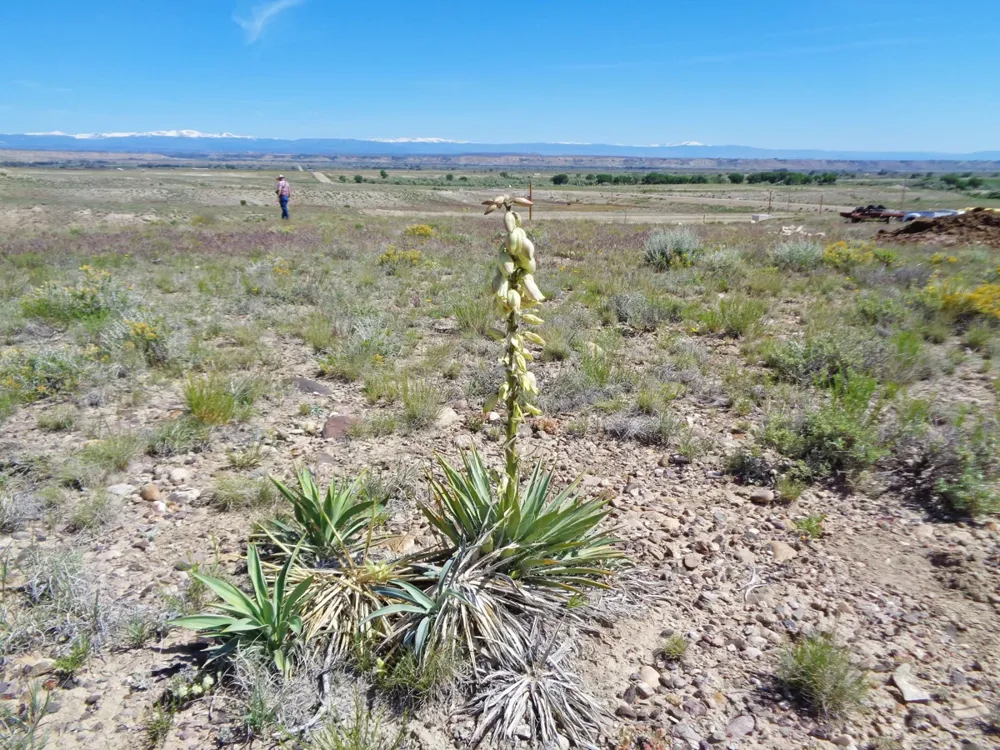
File photo: A Harriman’s yucca with a flowering stalk above pointed leaves — near Bridgeland, June 2017. Photo: Andrey Zharkikh from Salt Lake City, USA · CC BY 2.0 · Wikimedia Commons
File photo: A Harriman’s yucca with a flowering stalk above pointed leaves — near Bridgeland, June 2017. Photo: Andrey Zharkikh from Salt Lake City, USA · CC BY 2.0 · Wikimedia Commons
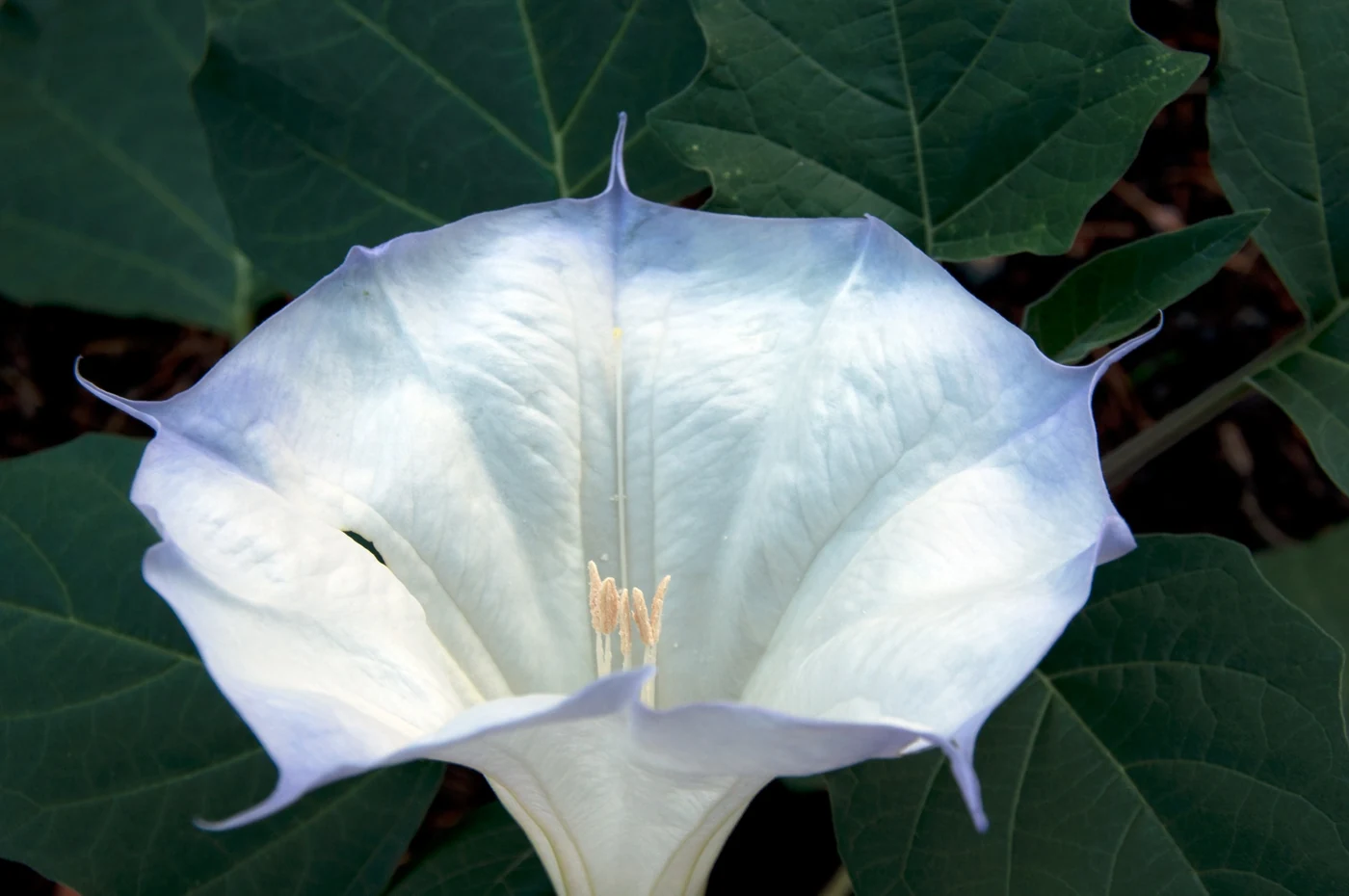
Canyon country's largest flower, which opens in the evening, and a poisonous plant.
Datura wrightii
i
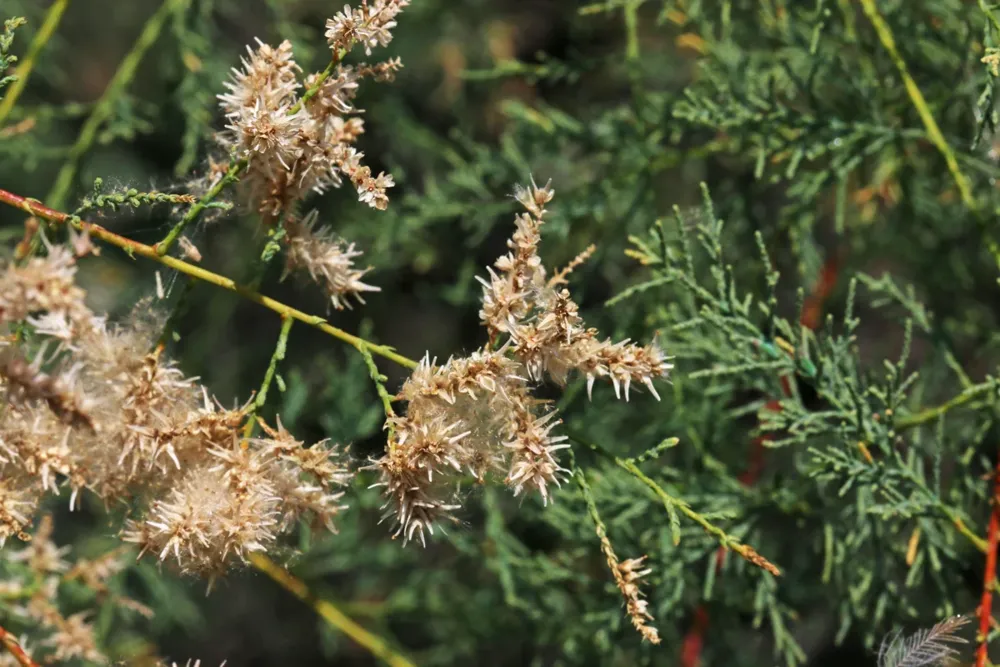
File photo: Pale pink tamarisk flowers and slender green foliage — Jordan River, August 2015. Photo: Andrey Zharkikh from Salt Lake City, USA · CC BY 2.0 · Wikimedia Commons
File photo: Pale pink tamarisk flowers and slender green foliage — Jordan River, August 2015. Photo: Andrey Zharkikh from Salt Lake City, USA · CC BY 2.0 · Wikimedia Commons