Published by Paul Ivinskas
Thursday, October 22, 2026
Our mission

Help Utahns understand their communities and hold government accountable. Through nonpartisan, AI-assisted research, we examine public records, follow decisions and votes, and connect readers with local news, events and places.

Everything Utah, every day.

Wildlife & plants · Wildflowers

Dwarf bear-poppy

A federally endangered Utah endemic whose white flowers and low leaf tufts belong to specialized gypsum-soil habitat.

Dwarf bear-poppy is a low perennial with a tuft of grayish leaves and white flowers held just above them. The flowers usually have four petals. The hairy leaves have deeply toothed tips, helping explain the bear-paw comparison in its name. This compact outline is an introduction, not a collection guide: a photograph from an established route is enough, and there is no need to touch leaves or examine roots. The species is naturally restricted to Washington County in southwestern Utah.

Its habitat is unusually specific. Gypsum-rich soils support sparse desert vegetation and can look almost empty to someone passing by. Much of the poppy's persistence is hidden in a seed bank, with successful recruitment occurring unevenly when conditions allow. A study following one population for sixteen years found dramatic fluctuations in visible plants and recruitment linked to favorable winter–spring precipitation. A poor flowering display in one year therefore does not by itself describe all the life remaining in the soil.

Dwarf bear-poppy remained federally endangered as of October 22, 2026. Development, habitat disturbance, and damage associated with recreation are conservation concerns; protecting pollination and the soil itself matters alongside protecting individual plants. Flowers generally appear in spring, but rainfall affects what visitors see. Use only designated access, never cross a fragile patch for a closer photograph, and leave flowers, seeds, and the ground around them undisturbed.

How to recognize it

Low tufted plant; hairy, toothed leaves; usually four-petaled white flowers.

Seeing it

Stay on designated routes; do not collect, dig or enter habitat off the route.

Related profiles

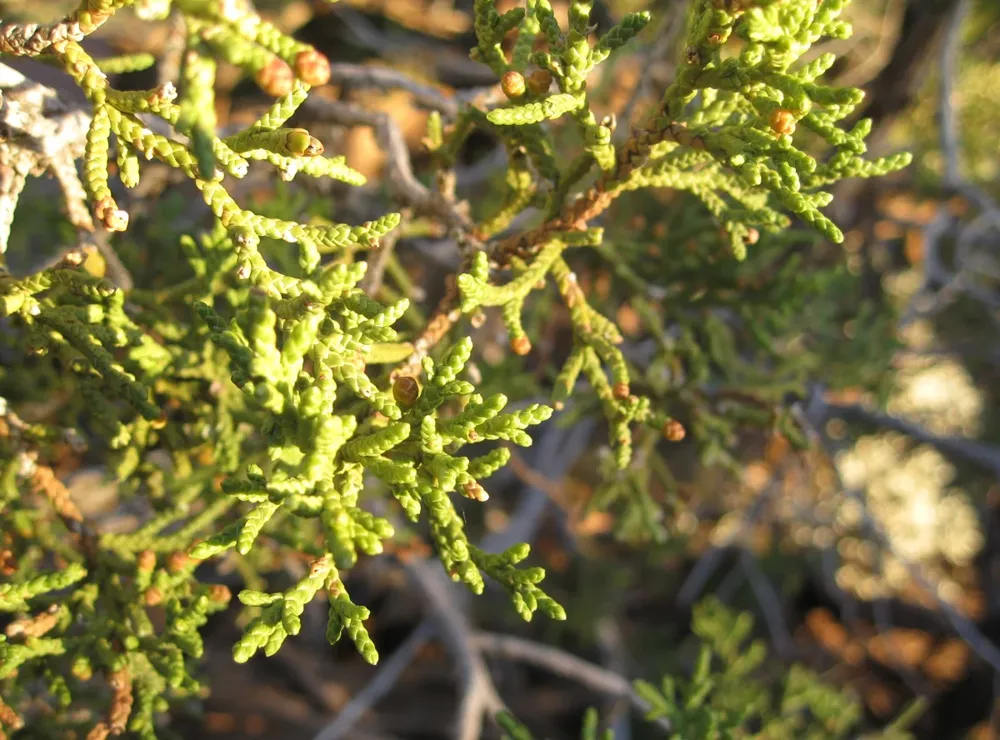
Scale-like Utah juniper foliage and round cones
File photo: Scale-like Utah juniper foliage and round cones — Bears Ears, September 2010. Photo: brewbooks from near Seattle, USA · CC BY-SA 2.0 · Wikimedia Commons
Trees

Utah juniper

A drought-tolerant evergreen with scale-covered twigs, fibrous bark, and berry-like cones that feed wildlife.
Juniperus osteosperma

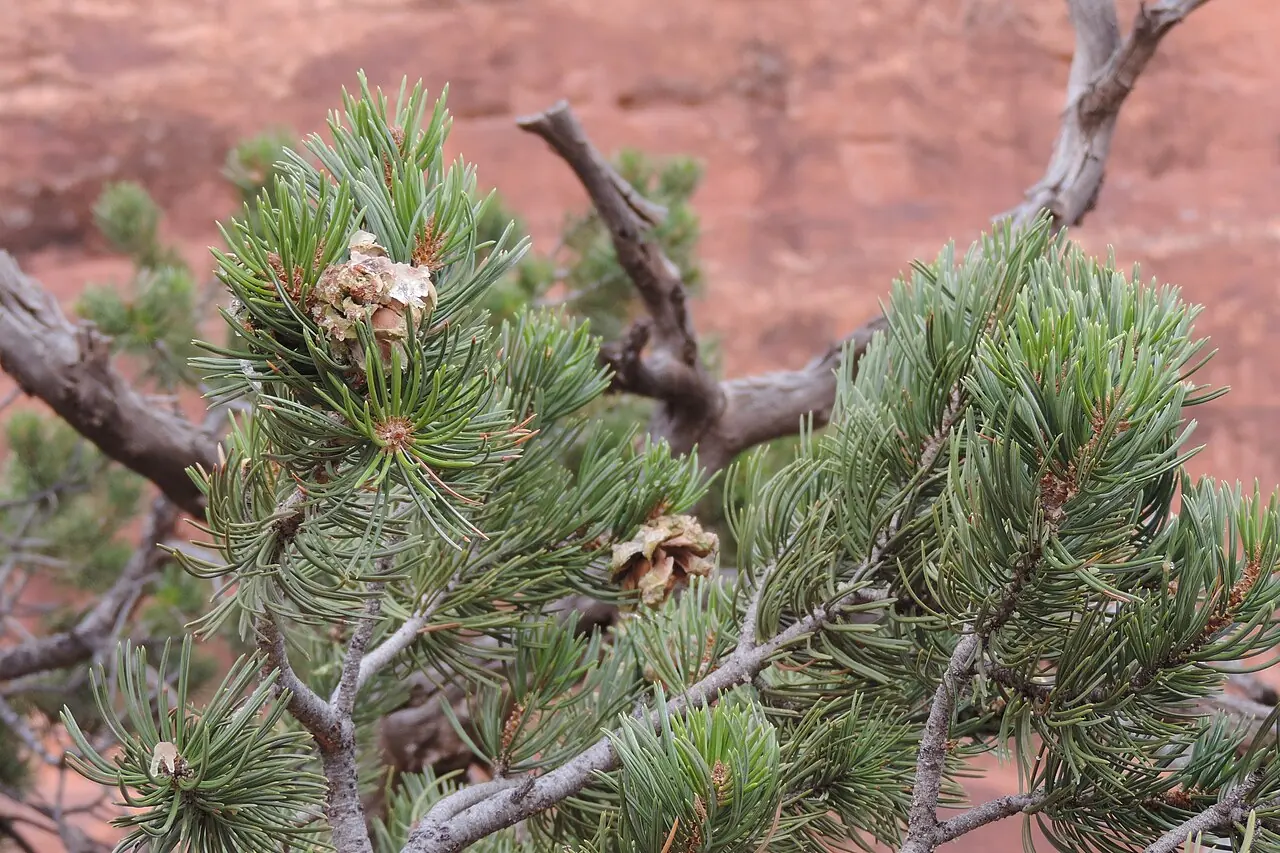
Pinyon pine needles and cones in Arches National Park
File photo: Pinyon pine needles and cones in Arches National Park (2016-09-07 23:38:35). Photo: Krzysztof Ziarnek, Kenraiz · CC BY-SA 4.0 · Wikimedia Commons
Trees

Two-needle pinyon

The small pine of pinyon-juniper woodland, with needles in pairs.

Pinus edulis

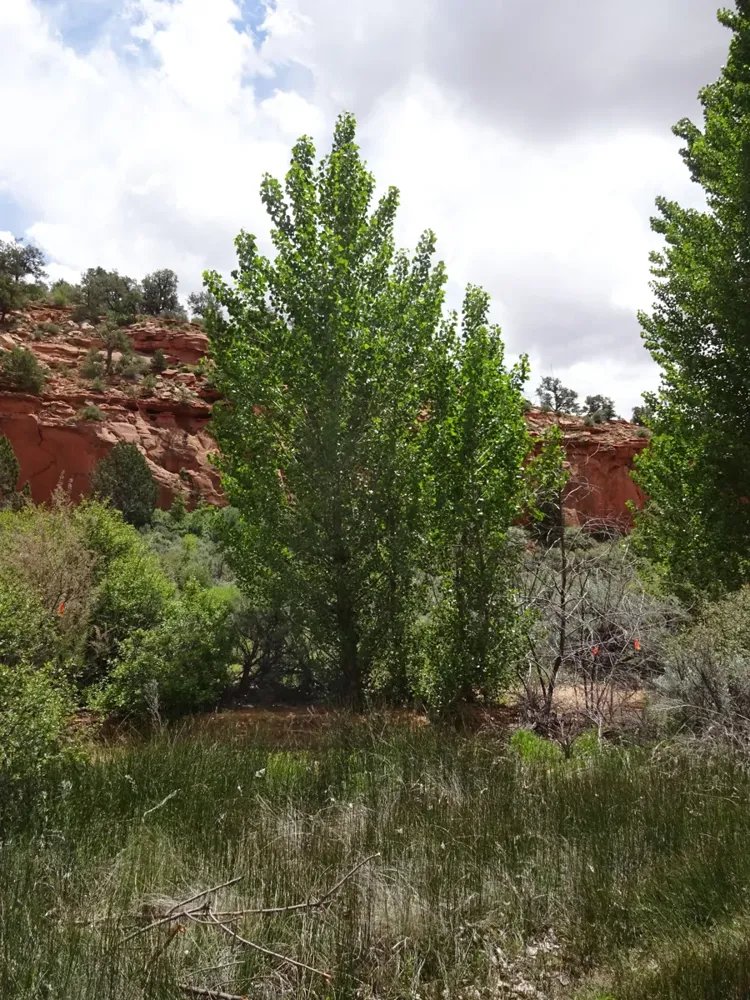
A green Fremont cottonwood tree beside red sandstone
File photo: A green Fremont cottonwood tree beside red sandstone — Johnson Lakes Canyon, Kane County, May 2016. Photo: Andrey Zharkikh from Salt Lake City, USA · CC BY 2.0 · Wikimedia Commons
Trees

Fremont cottonwood

A broad-crowned river tree whose new generations depend on the right combination of flowing water, exposed sediment, and moisture.

Populus fremontii

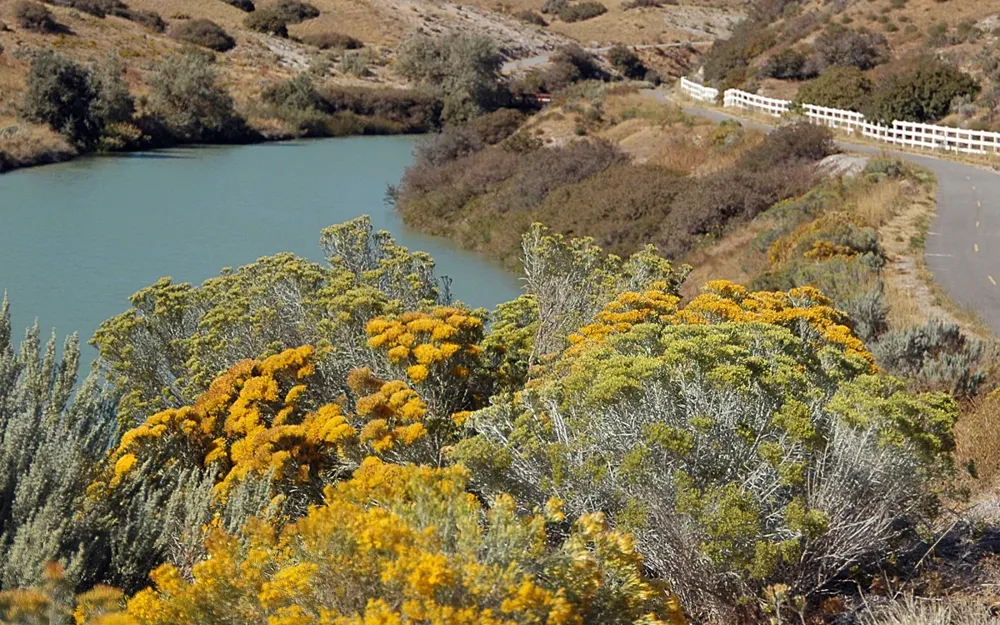
Yellow-flowering rubber rabbitbrush above the Jordan River
File photo: Yellow-flowering rubber rabbitbrush above the Jordan River — Jordan River Parkway near Salt Lake City, September 2004. Photo: Cory Maylett · CC BY-SA 4.0 · Wikimedia Commons
Shrubs

Rubber rabbitbrush

A flexible-stemmed native shrub whose late-season yellow flowers extend feeding opportunities for pollinators.

Ericameria nauseosa

Saved on this device. Statewide news and alerts remain available.