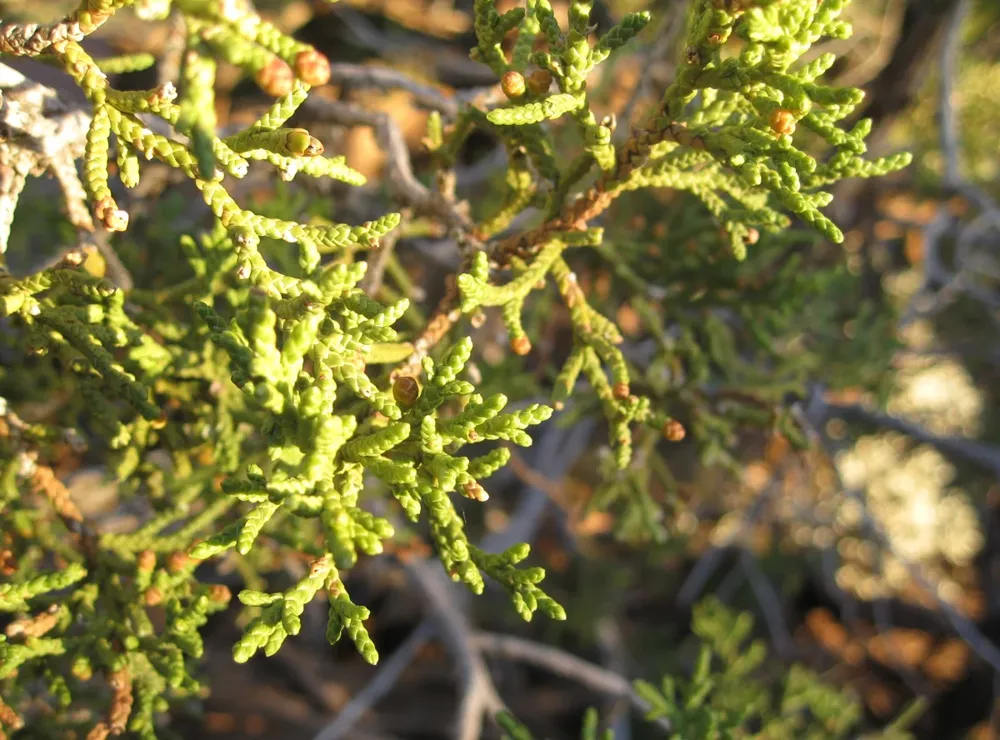
Utah juniper
A drought-tolerant evergreen with scale-covered twigs, fibrous bark, and berry-like cones that feed wildlife.
Help Utahns understand their communities and hold government accountable. Through nonpartisan, AI-assisted research, we examine public records, follow decisions and votes, and connect readers with local news, events and places.
Everything Utah, every day.
A small, federally endangered perennial restricted to specialized shale habitat in northeastern Utah.
Shrubby reed-mustard is much smaller than its woody-sounding name might suggest. Several leafy stems rise in a clump from a branching woody crown, and clusters of pale yellow to greenish-yellow flowers form near the stem ends. The smooth-edged leaves are arranged alternately. Those traits help introduce the plant, but they do not separate it reliably from every mustard a visitor might encounter. With a plant this rare, careful observation is the right way to settle an identification, not collecting a specimen.
The plant's geography is tied closely to geology. It occupies dry, shallow soils associated with pale shale of the Green River Formation in the Uinta Basin, within parts of Duchesne and Uintah counties. This narrow habitat is embedded in a much larger desert-shrub landscape; a broad patch of apparently similar ground is not proof that the plant occurs there. Flowering is generally in late spring to early summer, with weather and site conditions affecting the display. Keep any viewing on existing authorized routes rather than searching off-road across shale slopes.
As of October 22, 2026, it remains federally endangered under the name Schoenocrambe suffrutescens. Utah's conservation table uses Hesperidanthus suffrutescens; the different names refer to the same species here. Energy development and other surface disturbance are important concerns in its restricted habitat. Recovery documents describe conservation goals, not evidence that recovery or delisting has already occurred. We don't publish exact population locations.
Low clustered stems, alternate smooth-edged leaves, pale yellow to greenish-yellow flowers.
Stay on existing authorized routes; do not drive or walk through apparently bare shale to seek plants.

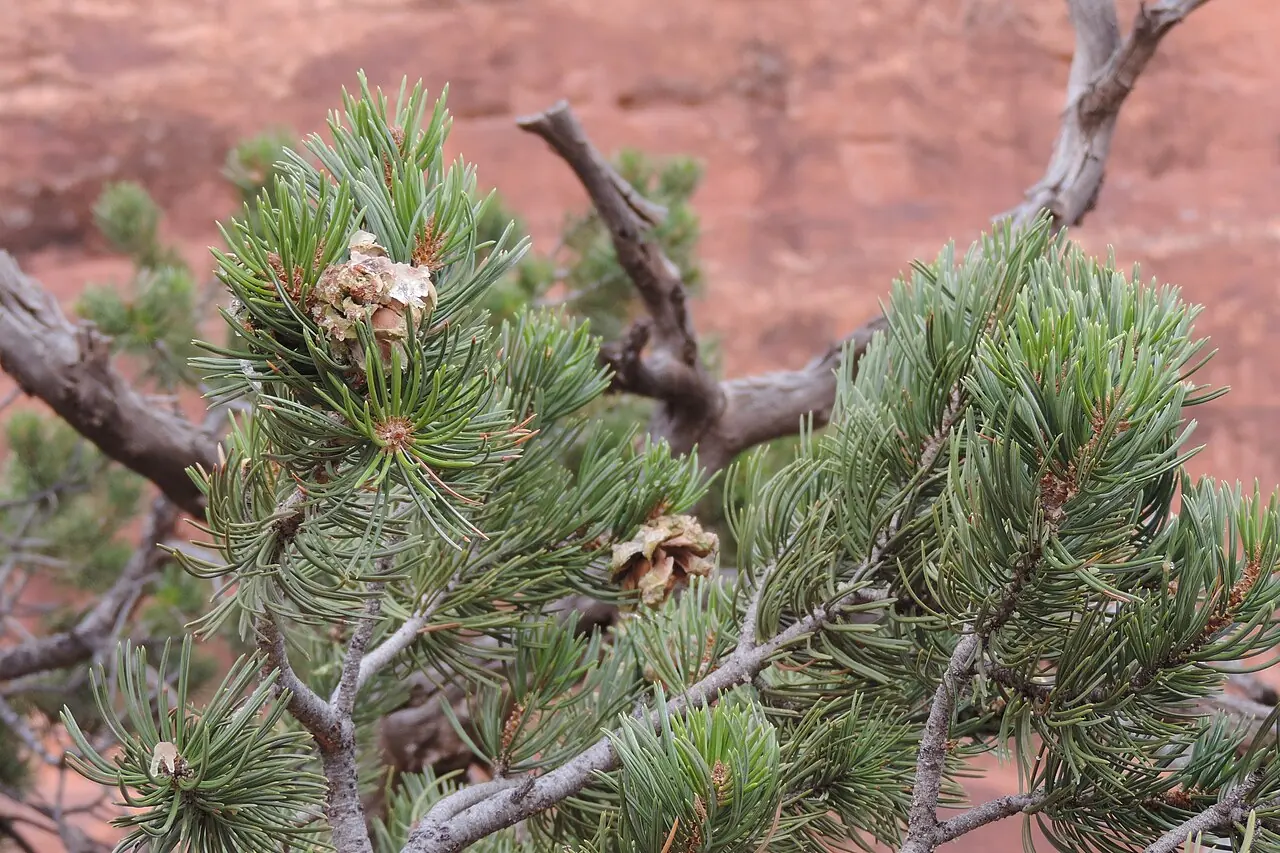
A drought-tolerant evergreen with scale-covered twigs, fibrous bark, and berry-like cones that feed wildlife.

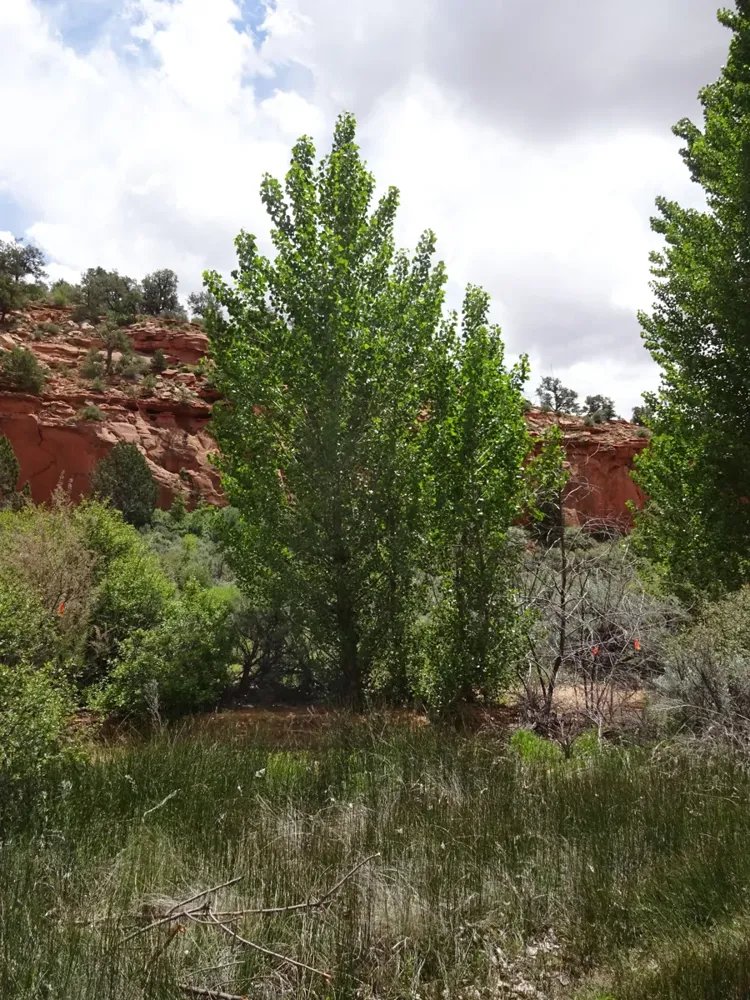
A broad-crowned river tree whose new generations depend on the right combination of flowing water, exposed sediment, and moisture.

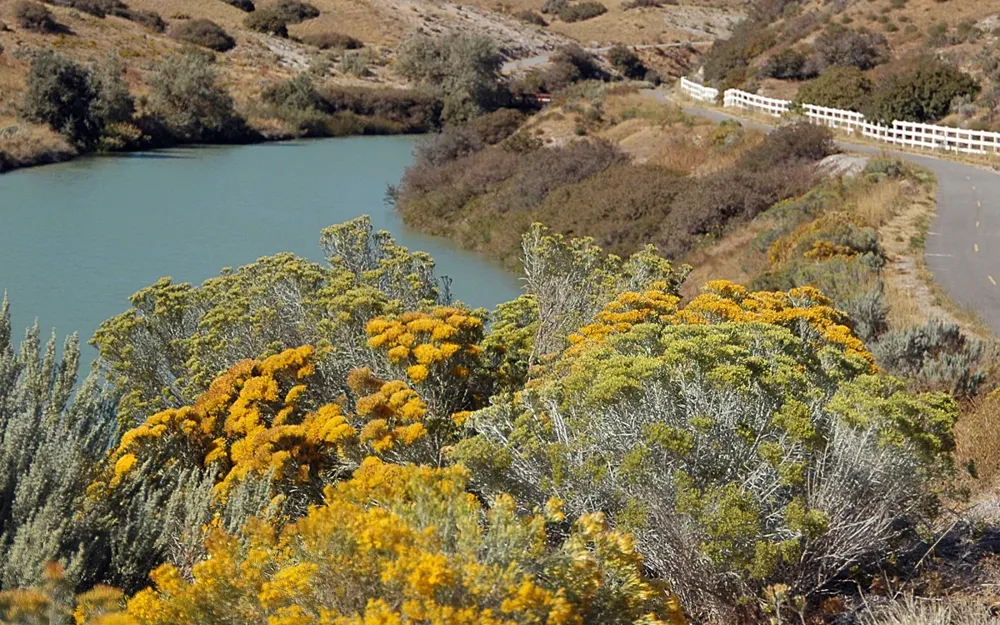
A flexible-stemmed native shrub whose late-season yellow flowers extend feeding opportunities for pollinators.