Published by Paul Ivinskas
Thursday, October 22, 2026
Our mission

Help Utahns understand their communities and hold government accountable. Through nonpartisan, AI-assisted research, we examine public records, follow decisions and votes, and connect readers with local news, events and places.

Everything Utah, every day.

Wildlife & plants · Mammals

Ringtail

An elusive raccoon relative that moves through canyon rock with a long black-and-white ringed tail.

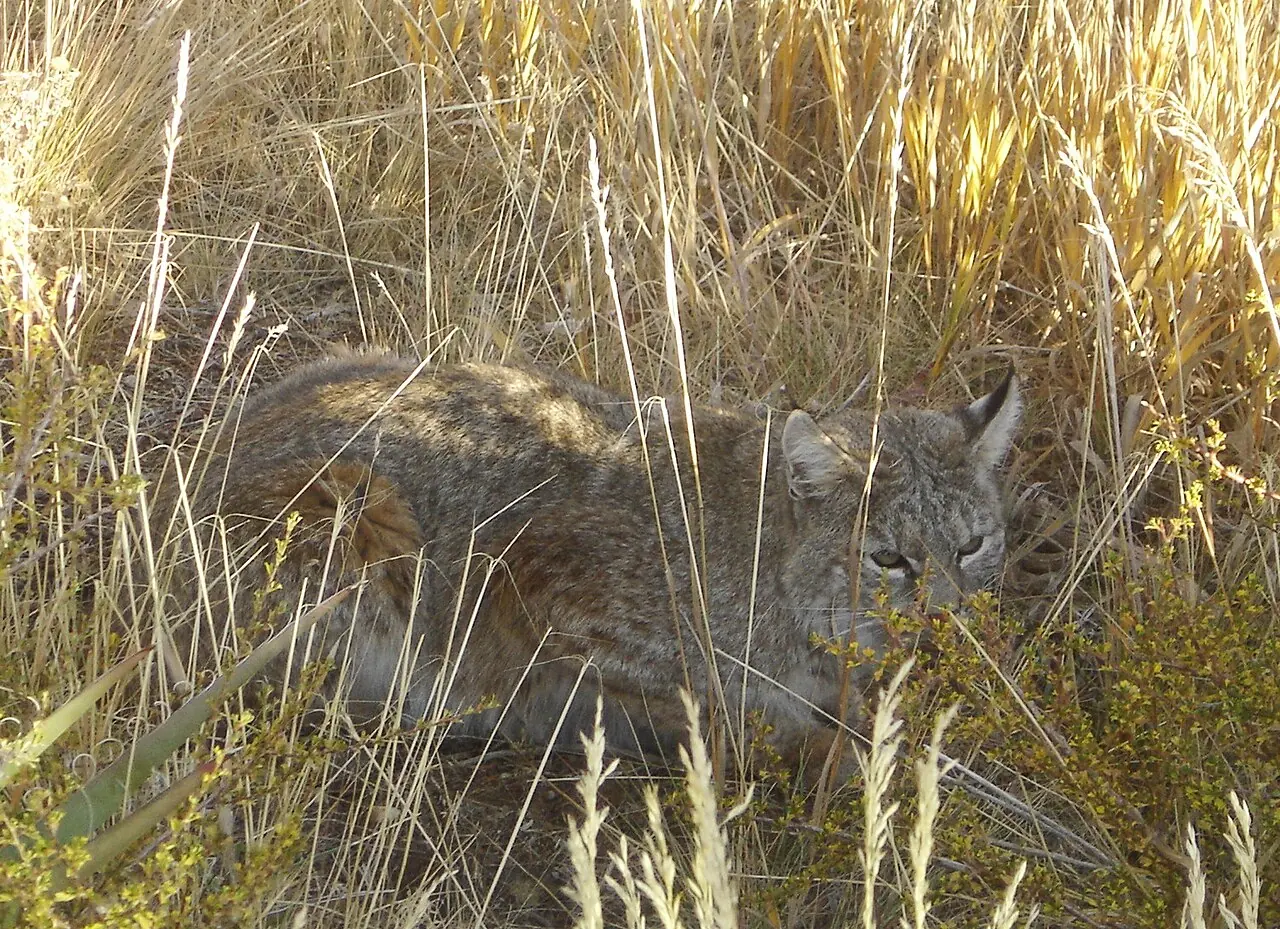
The ringtail's long tail is its most memorable feature: alternating dark and pale bands trail behind a slim, light-brown body. Large rounded ears, pale markings around the eyes and a pointed face complete the outline. Despite the nickname sometimes given to it, this animal is a raccoon relative rather than a cat. In a brief night encounter, the slender body and long tail are more helpful than an impression of fur color under artificial light.

Zion's rock layers offer cracks, ledges and tight spaces where ringtails can put their climbing ability to work. They search for insects, lizards and small mammals, but also eat fruit and other plant foods. Their flexible, varied diet makes sense in canyon country, where food changes across seasons and places. By day they shelter in protected dens, including rock crevices or hollow trees; an animal can be present in a landscape that a daytime visitor never sees.

Ringtails are secretive and nocturnal, so their presence should not be advertised as a reliable trail attraction. They may investigate buildings, rubbish or food left around a campsite, and an accidental food reward can turn a fleeting encounter into a recurring conflict. Keep wildlife observation separate from feeding: secure supplies, close rubbish containers and leave a passing animal a clear route away. Its ability to negotiate a canyon in darkness is worth respecting without following it to a den or trying to light every hiding place.

How to recognize it

Slim body, very long black-and-white banded tail, rounded ears, pale eye markings and pointed muzzle.

Conservation

Rocky shelter and natural food matter most.

Watching and staying safe

Secure food and rubbish; never bait, chase, handle or spotlight an animal inside a den.

Places the sources name

Examples from the sources, not a complete range or a sighting guide.
Related profiles

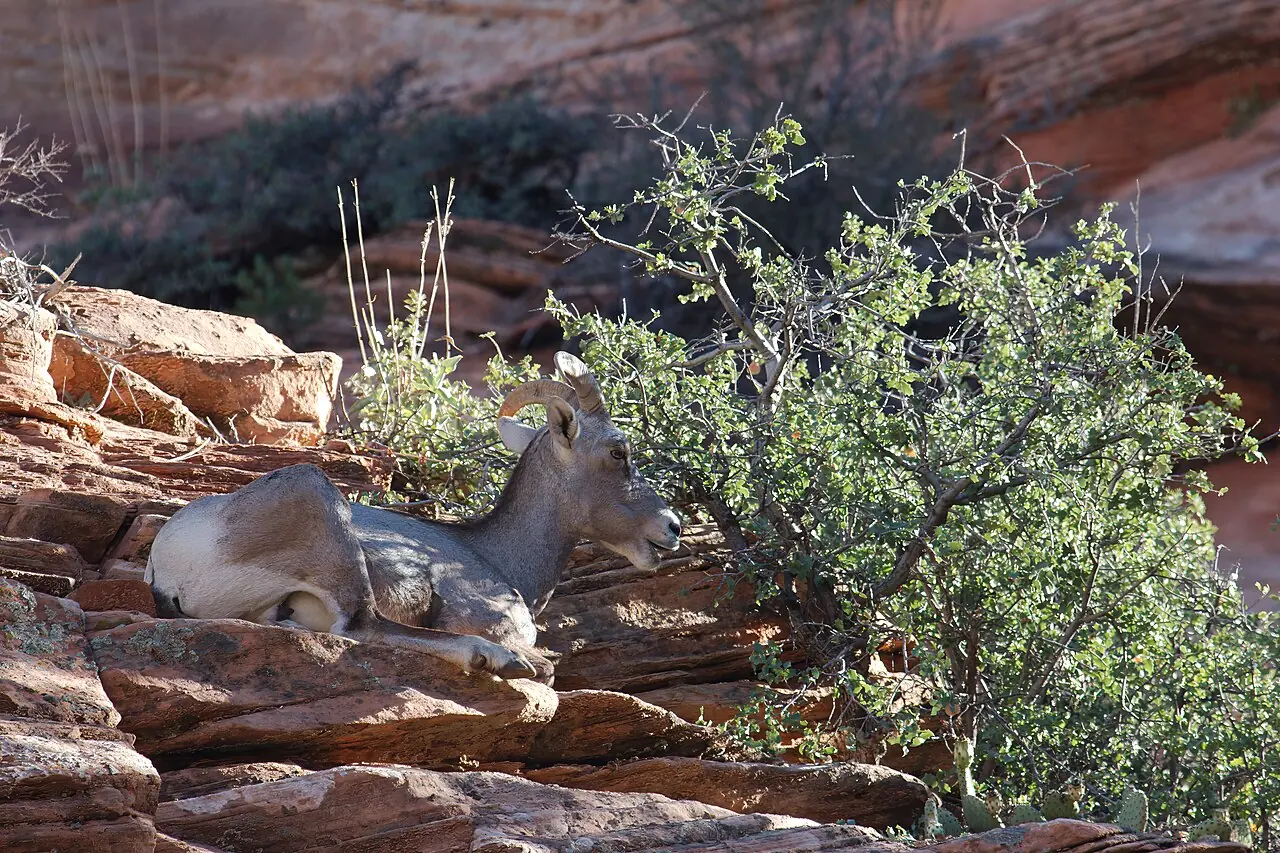
Desert bighorn sheep resting beside sandstone in Zion National Park
File photo: Desert bighorn sheep resting beside sandstone in Zion National Park (2014-09-22 10:34:38). Photo: ImagePerson · CC0 · Wikimedia Commons
Mammals

Desert bighorn sheep

Sure-footed sheep of the slickrock, restored to Zion after disappearing there.

Ovis canadensis nelsoni

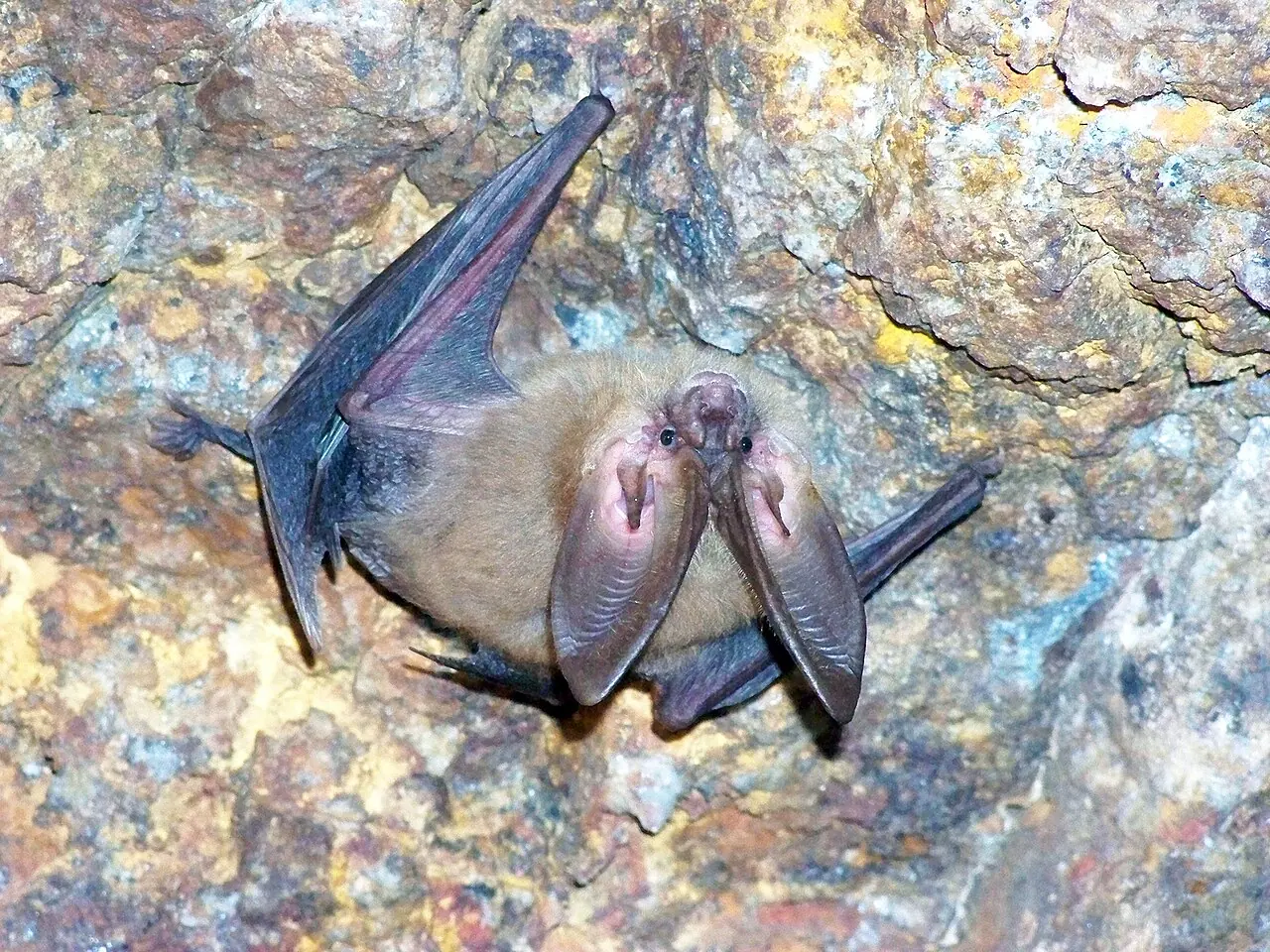
A Townsend’s big-eared bat hanging from rock
File photo: Townsend’s big-eared bat in Utah, BLM archive. One of the bat species found in the state. Photo: John Larson / BLM Utah · Public domain · Wikimedia Commons
Mammals

Bats

Insect-eating flying mammals whose lives depend on suitable roosts, water and a safe seasonal cycle.

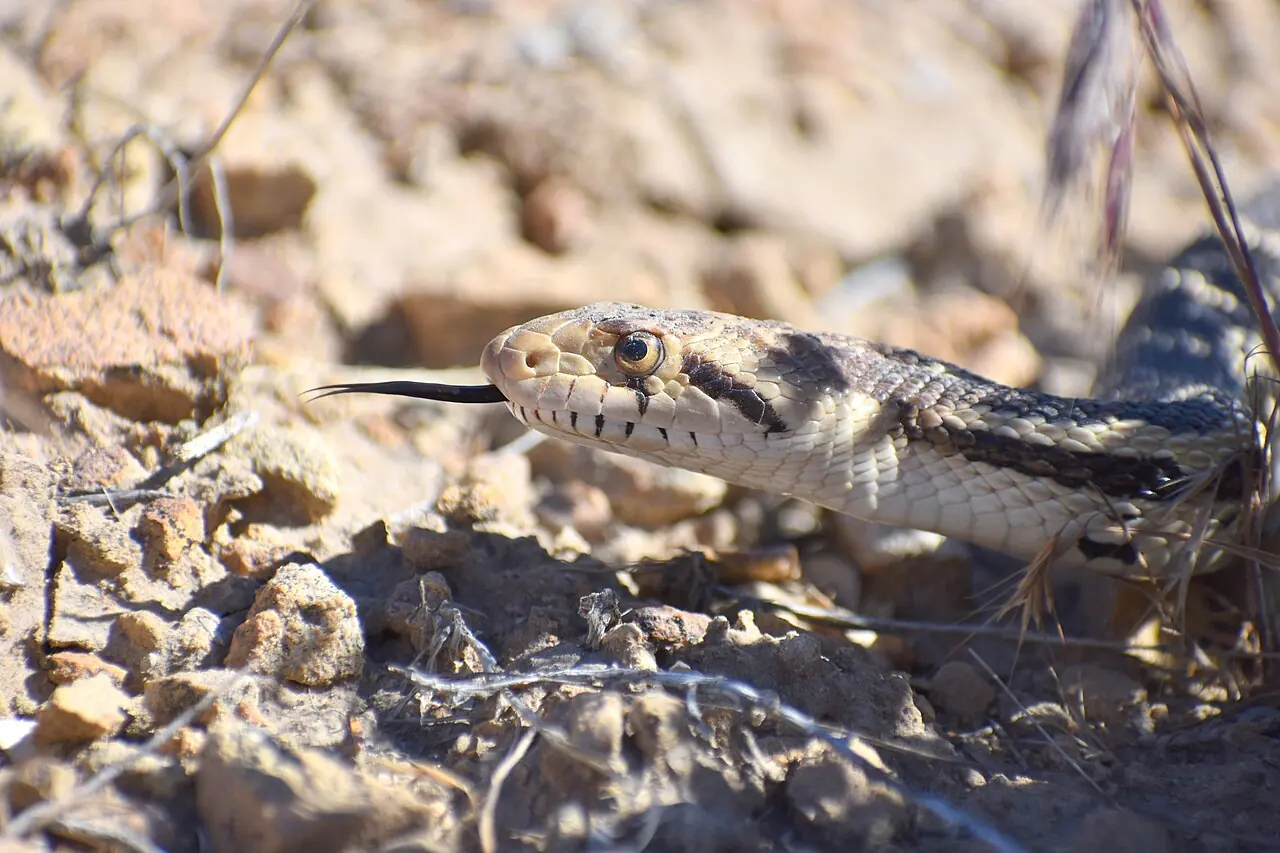
Close-up of a gopher snake on rocky ground
File photo: Gopher snake, Arches National Park archive, May 2017. One of Utah’s nonvenomous snake species. Photo: Marty Tow / National Park Service · Public domain · Wikimedia Commons
Reptiles

Snakes

A diverse group of native predators best appreciated without handling or close-range identification attempts.

Saved on this device. Statewide news and alerts remain available.