Birds
American avocet
An upturned bill, blue-gray legs and a sweeping feeding motion make this wetland shorebird especially distinctive.
Help Utahns understand their communities and hold government accountable. Through nonpartisan, AI-assisted research, we examine public records, follow decisions and votes, and connect readers with local news, events and places.
Everything Utah, every day.
The animals and plants of Utah's mountain forests, red-rock desert, sagebrush valleys and Great Salt Lake wetlands.
Get to know Utah through the animals and plants that live here. Browse the 63 profiles by habitat or region, compare a species' seasonal habits, and follow the linked agency and university sources when you want to learn more. Start with the landscape you expect to visit, then narrow the list to wildlife or plants.
This is an introduction, not a complete inventory or a field-identification key. A region label describes the range or location a profile's sources support; it does not promise a sighting. Seasonal notes describe general patterns, and we don't publish exact sites for nests, roosts, colonies or rare plants. Check the land manager's current access information separately before a trip.
A seasonal comparison makes a familiar landscape easier to read. At Arches, rainfall strongly shapes the wildflower display; at Cedar Breaks, high meadows bloom through a short summer. Those are local examples of why one statewide "best week" would mislead. Try the mountain and desert habitats, then the spring and summer pages.
Each profile answers three separate questions: what the organism is, what habitat or range its sources support, and what a visitor can responsibly observe. Conservation labels are shown with their category, scope and date, because a federal listing, a state priority list and a native-or-introduced label answer different questions.
New: guides to 7 habitats, four seasons and watching well, with the profiles that belong together.
An upturned bill, blue-gray legs and a sweeping feeding motion make this wetland shorebird especially distinctive.
A large white migrant whose family groups link Utah's wetlands with Arctic nesting country.
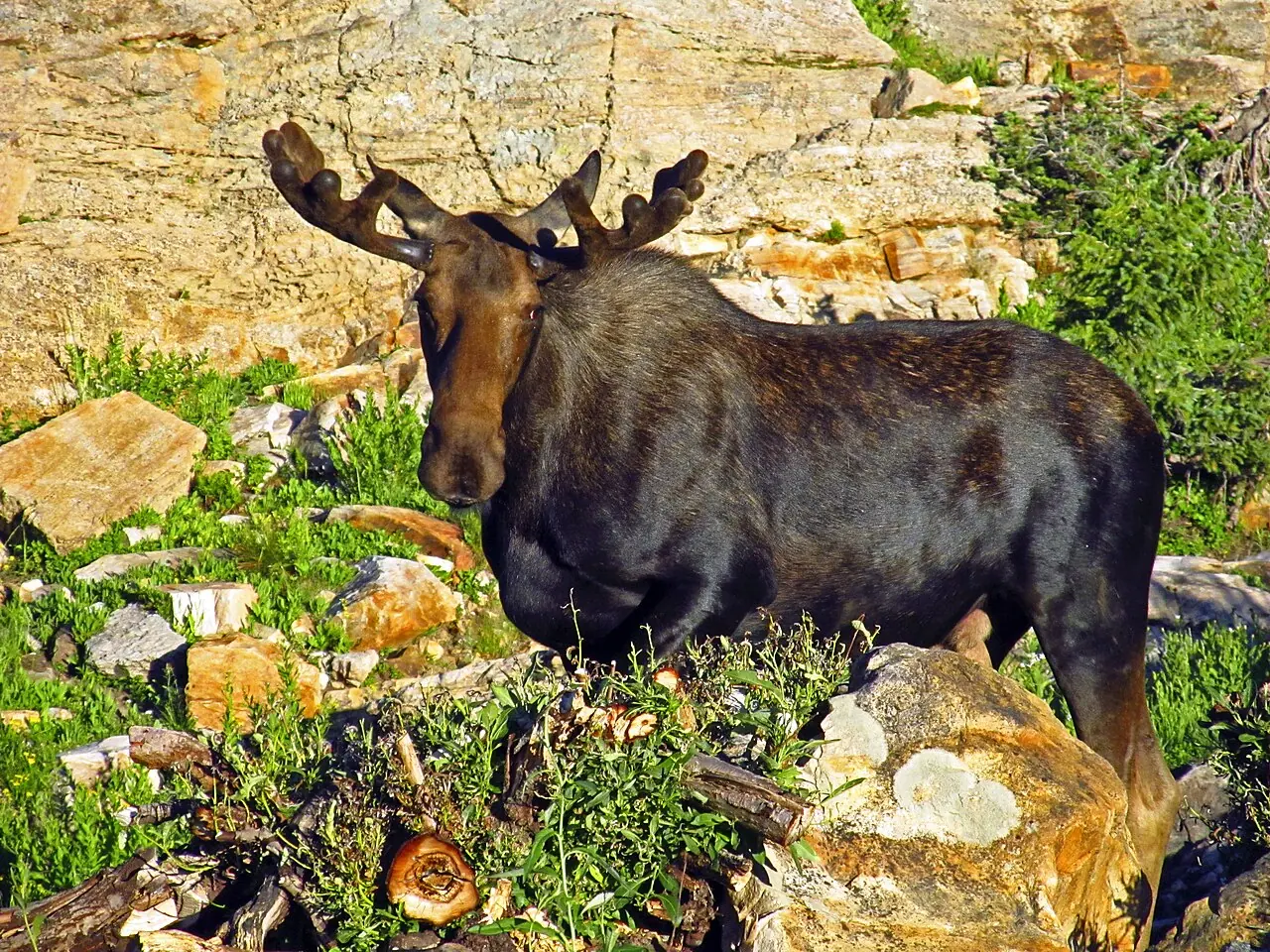
The largest member of the deer family in Utah, at home where northern mountain forest meets water.
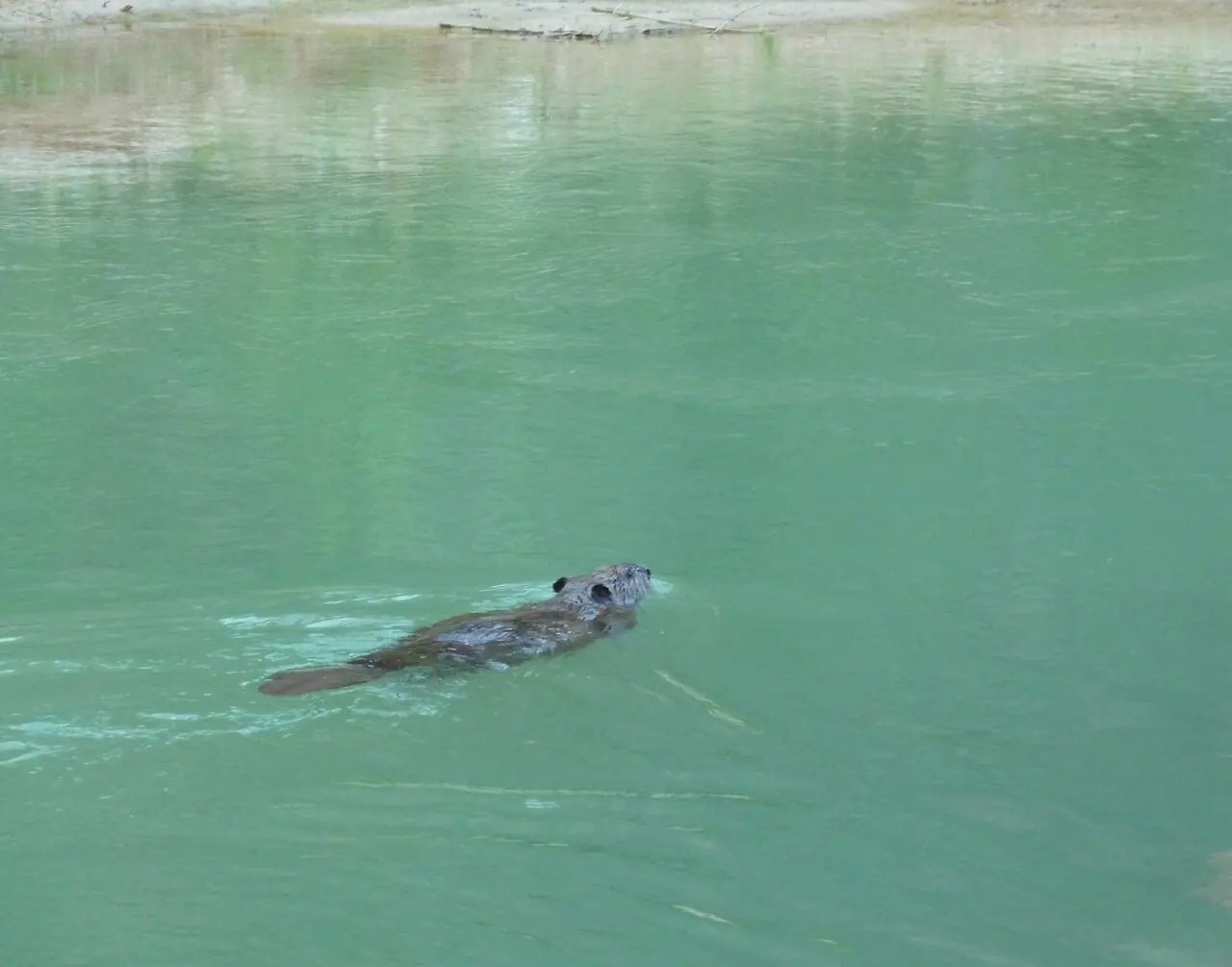
A paddle-tailed rodent whose feeding and construction can transform a stream into a complex wetland.
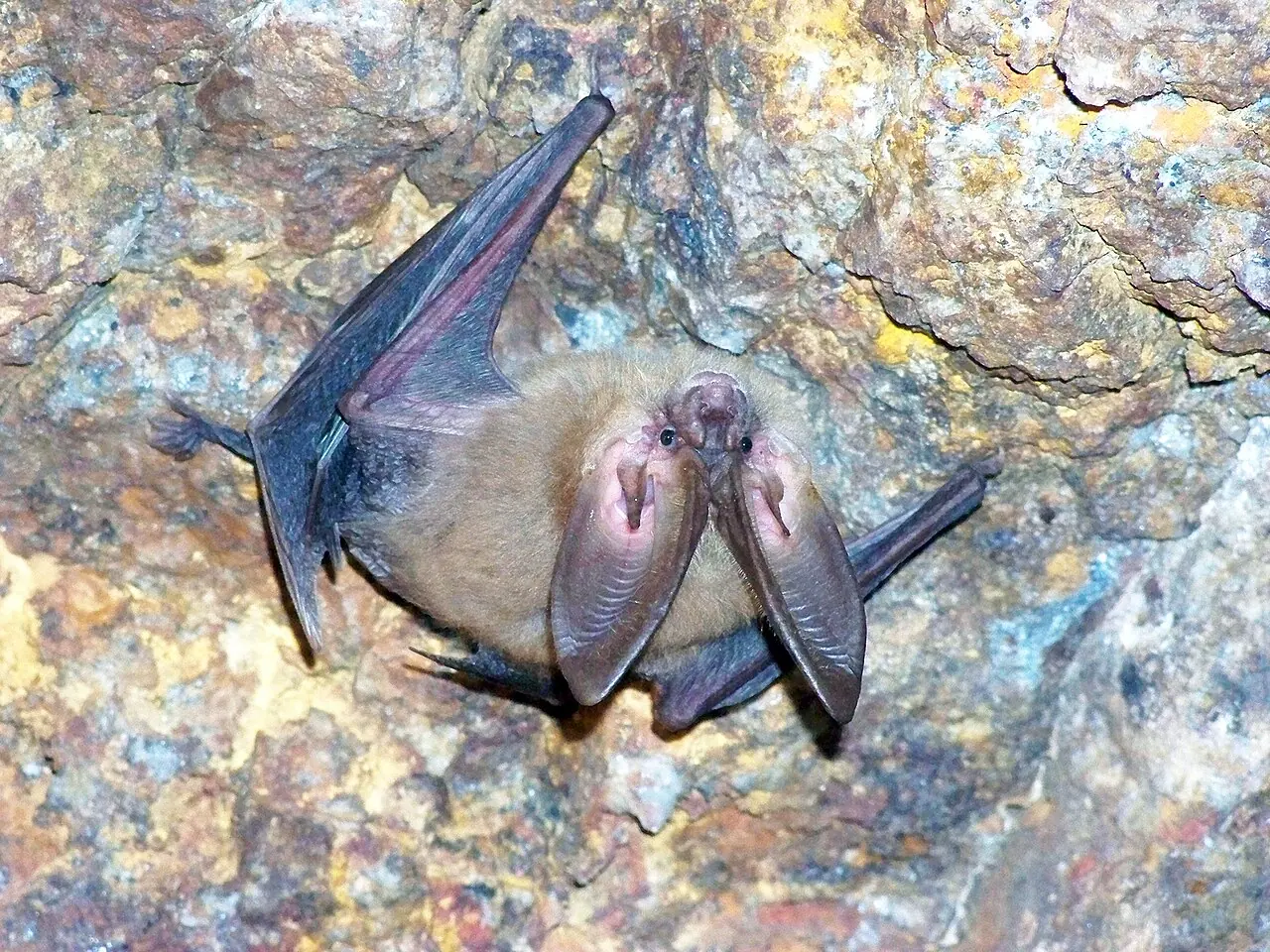
Insect-eating flying mammals whose lives depend on suitable roosts, water and a safe seasonal cycle.
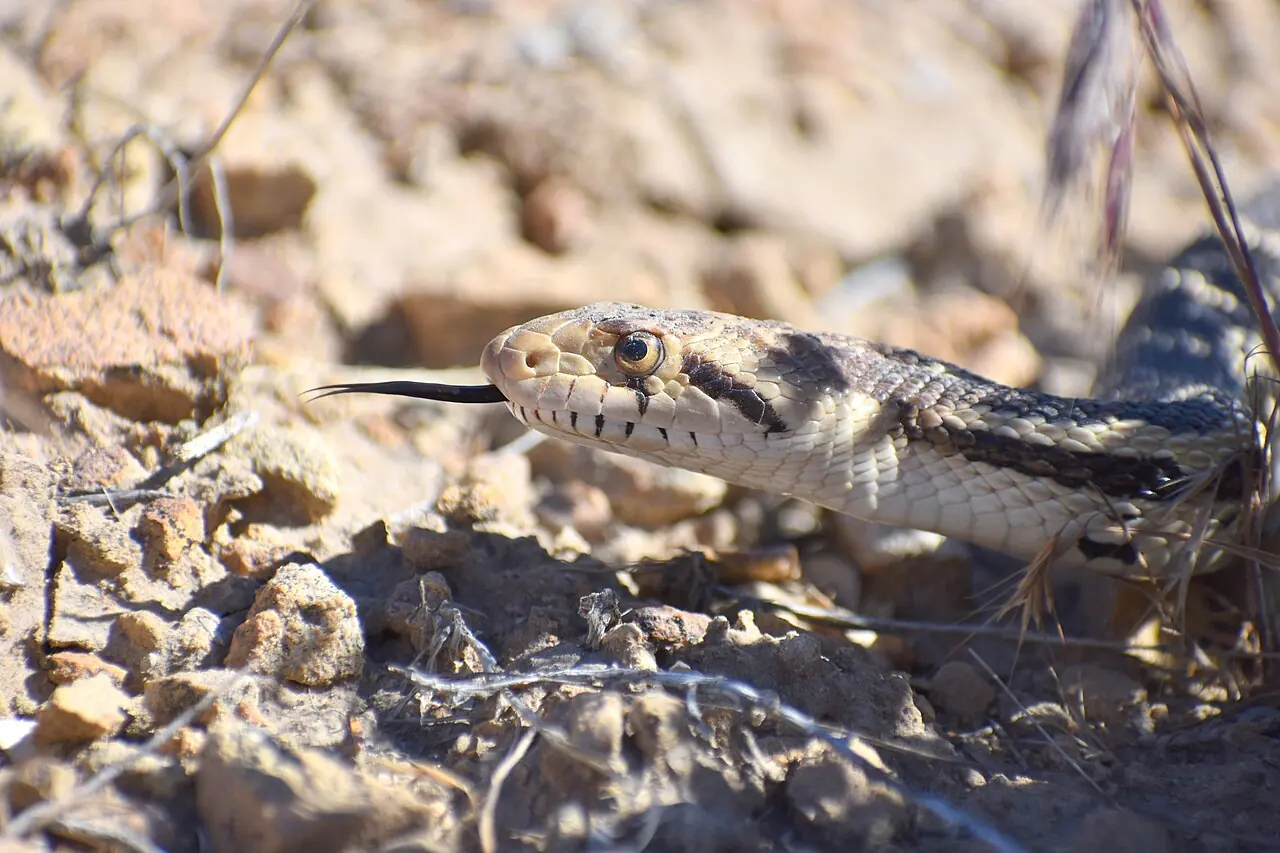
A diverse group of native predators best appreciated without handling or close-range identification attempts.
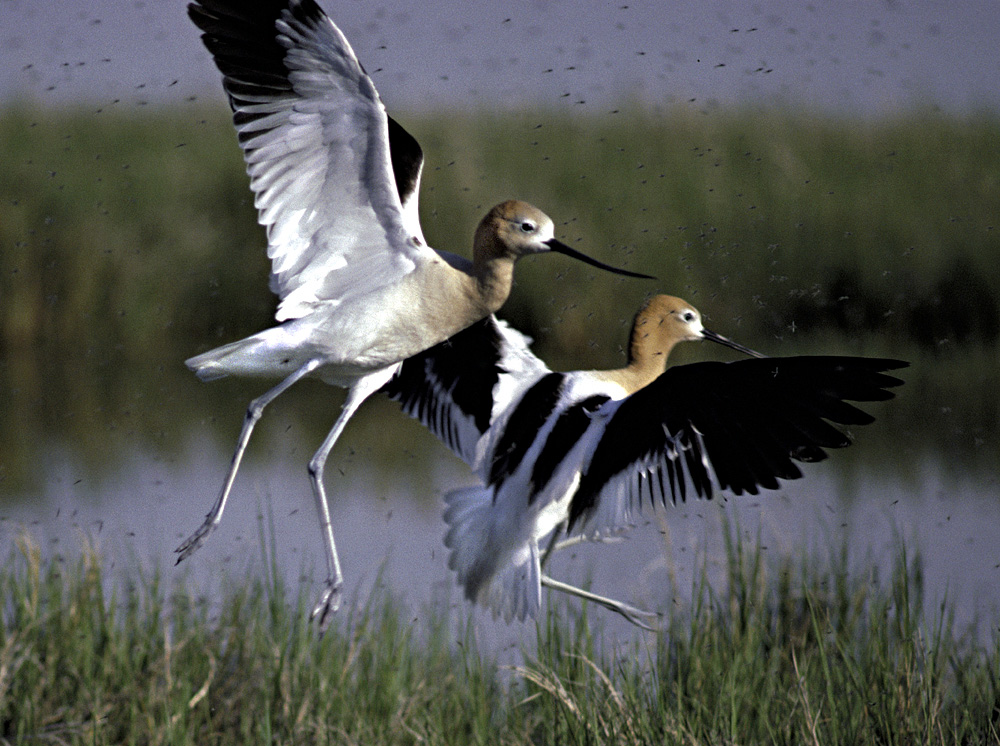
Read the refuge as a changing set of habitats, from shallow feeding flats to marsh cover and deeper water.
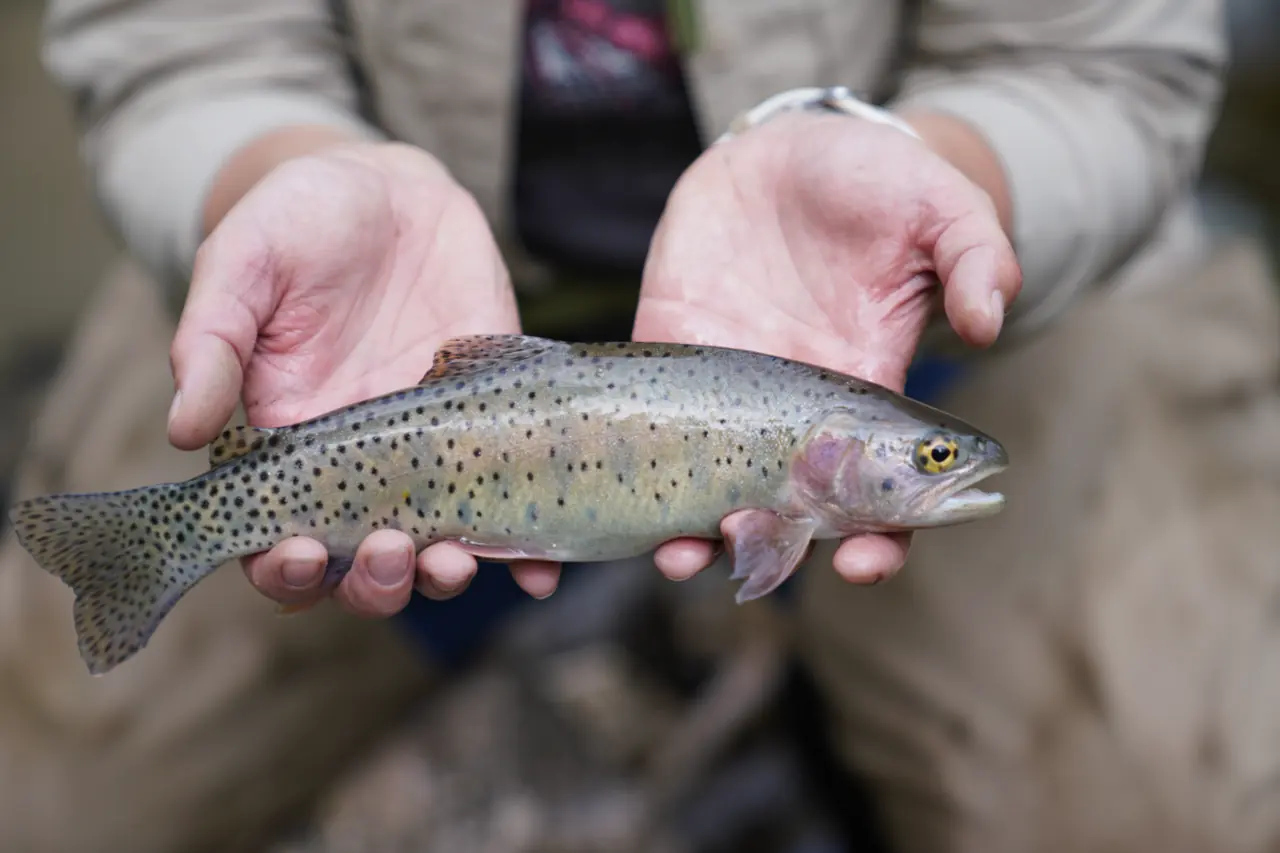
Utah's native trout, with distinct drainage histories and restoration needs that a familiar throat mark cannot tell on its own.
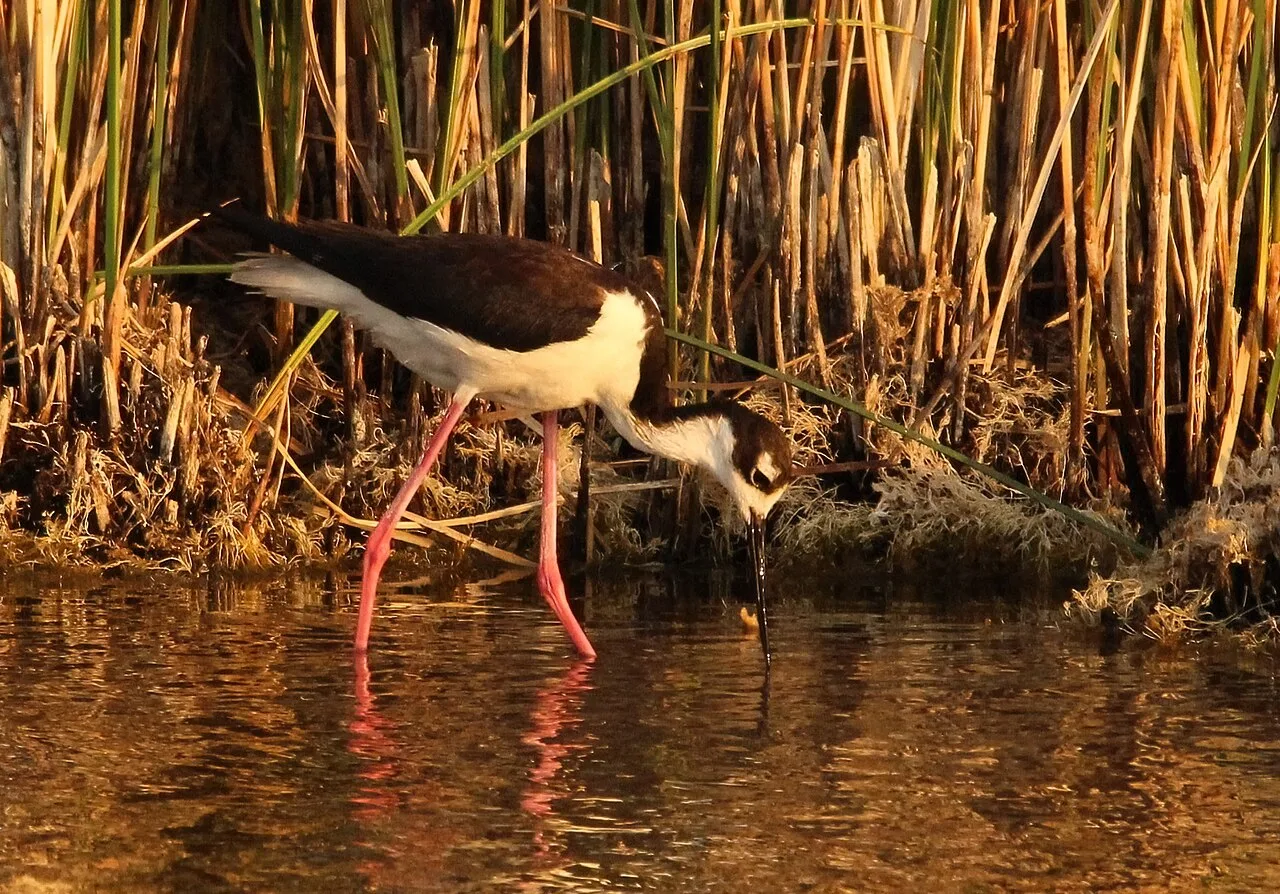
Pink legs and a straight, needlelike bill distinguish this black-and-white wader from its avocet neighbors.
A small diving bird whose long autumn stopovers reveal the importance of Great Salt Lake's invertebrate food supply.
A warty mountain amphibian whose breeding waters and disease risks require a light touch from visitors.
A spotted frog that needs a connected mix of breeding water, moist feeding ground and overwintering habitat.
A Utah Lake native whose recovery depends on both adult spawning access and safe nursery habitat for young fish.
An orange-and-black migrant whose caterpillars need milkweed and whose adults need flowers through the season.
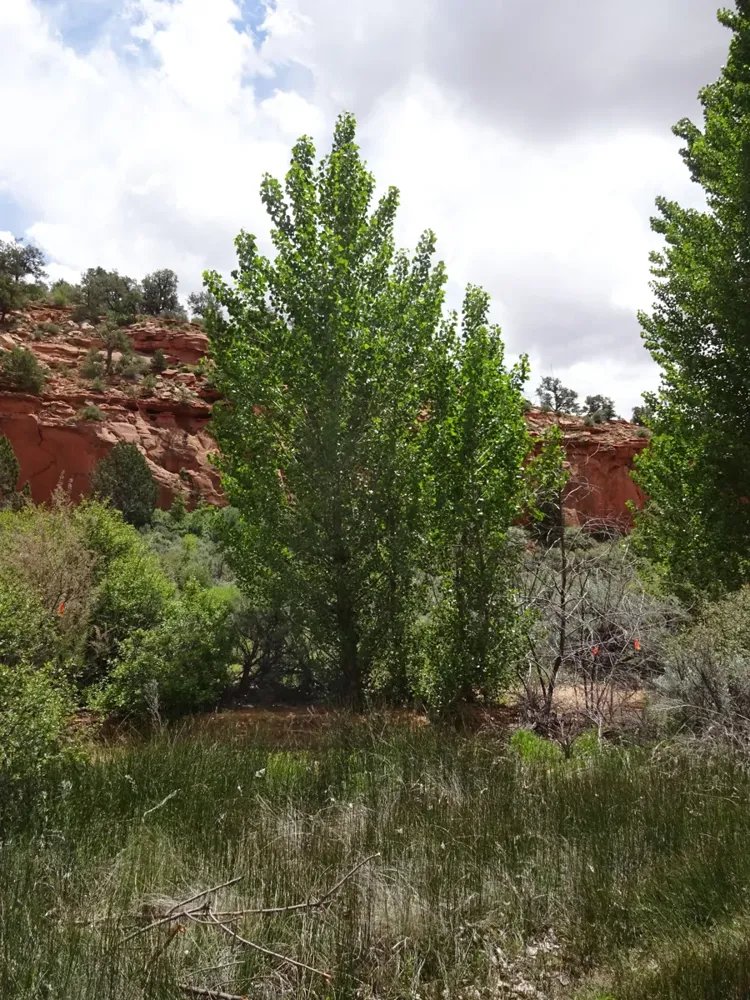
A broad-crowned river tree whose new generations depend on the right combination of flowing water, exposed sediment, and moisture.
A small-flowered columbine of seeps and hanging gardens, where groundwater creates a cool refuge within the desert.
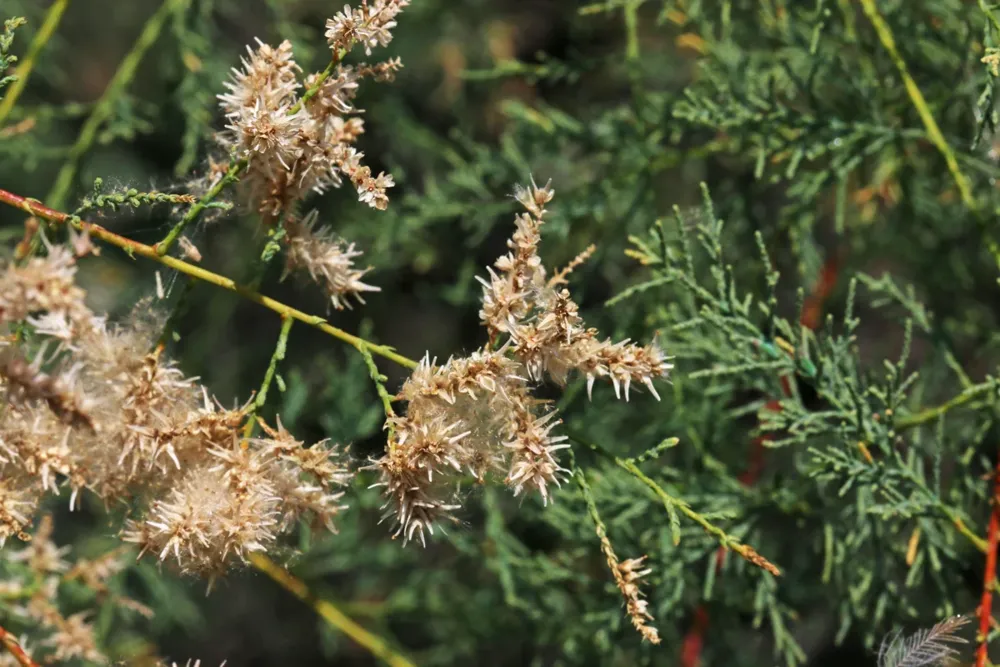
A non-native, water-loving shrub along southwestern rivers, and a target of restoration work.
A broad-leaved native perennial whose clustered flowers support pollinators and whose leaves can host monarch caterpillars.
A rare wetland orchid with a spiral of pale flowers, dependent on moist, relatively open habitat.