An eared grebe is a compact waterbird with a thin neck, small head and slender bill. Breeding adults have a dark head, reddish sides and a fan of golden feathers behind the red eye. Outside breeding plumage, the face and neck become much grayer, so a visitor should not expect every autumn bird to match a spring photograph. A peaked head, fine bill and smudgy cheek are useful clues, though other small grebes require careful comparison.
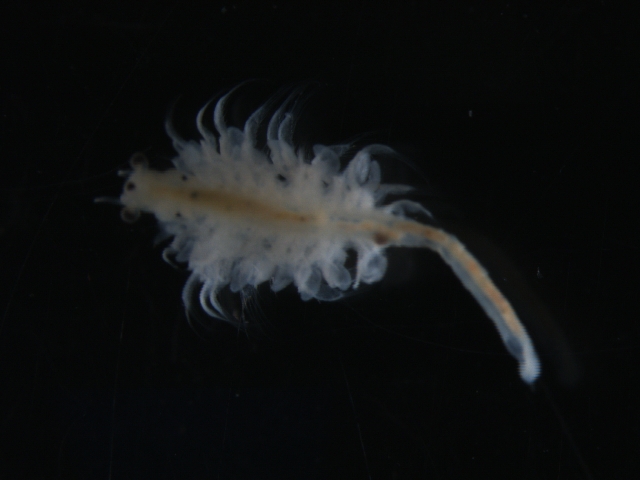
Great Salt Lake is an important feeding and staging area for this species. Birds gather in open water and dive for aquatic invertebrates, including brine shrimp. Their autumn stay can last for months while they feed and replace feathers. This is more than a brief rest during a nonstop trip: the lake provides an extended seasonal workplace for birds preparing for their next movements. A university study of observations from 2009–2021 documented both spring passage and a substantial autumn staging period.
The lake's broad water surface can make a large gathering look like scattered dark dots from shore. A spotting scope is often more useful than walking toward the waterline, especially when birds are well offshore. Compare small groups over time and watch the rhythm of surfacing and diving. Historical counts demonstrate the lake's importance, but they are not the number present today; salinity, food, weather and survey timing all need context when interpreting a report.
Small grebe, slender bill, often peaked head; breeding golden ear plumes disappear into a much plainer nonbreeding appearance.
Examples from the sources, not a complete range or a sighting guide.