Amphibians
Northern leopard frog
A spotted frog that needs a connected mix of breeding water, moist feeding ground and overwintering habitat.
Help Utahns understand their communities and hold government accountable. Through nonpartisan, AI-assisted research, we examine public records, follow decisions and votes, and connect readers with local news, events and places.
Everything Utah, every day.
A warty mountain amphibian whose breeding waters and disease risks require a light touch from visitors.
Utah's western toad is also widely called the boreal toad, a name still found in many conservation reports. Its back can be olive to brown, with raised dark warts and often a pale stripe down the middle. Unlike some other toads, it lacks prominent bony crests on top of the head. These features are useful in a photograph taken without handling; a single color or stripe is not a complete identification on its own.
Breeding brings toads to shallow water in ponds, flooded meadows and pooled stream margins. The long, jelly-covered strings of eggs differ from the compact egg masses familiar from many frogs, and young tadpoles are dark. Water has to serve the early life stages, while the surrounding landscape also matters to the adults. A wetland's value therefore reaches beyond its visible edge. Foot traffic, pets and disturbed shoreline vegetation can affect a small breeding area even when the open water looks undamaged.
Conservation in Utah has included monitoring, habitat work and a captive backup population for an especially vulnerable population. Chytrid fungal disease is a major concern, although some northern Utah populations have persisted despite its presence. The 2017 federal finding concluded that listing the eastern population was not warranted at that time; that dated decision is different from a declaration that threats have vanished. Protecting habitat and avoiding unnecessary contact remain meaningful even where toads are still being found.
Warty olive/brown back, often a pale center stripe, without prominent cranial crests. Use multiple features and a regional guide.
A species of greatest conservation need in Utah. Current DWR tables restrict collecting and possessing wild toads without a Wildlife Board exception.
Photograph without touching, leave eggs and tadpoles in place, and keep people and pets out of small breeding pools. Amphibians are sensitive to chemicals on skin, and handling can spread disease.
A spotted frog that needs a connected mix of breeding water, moist feeding ground and overwintering habitat.
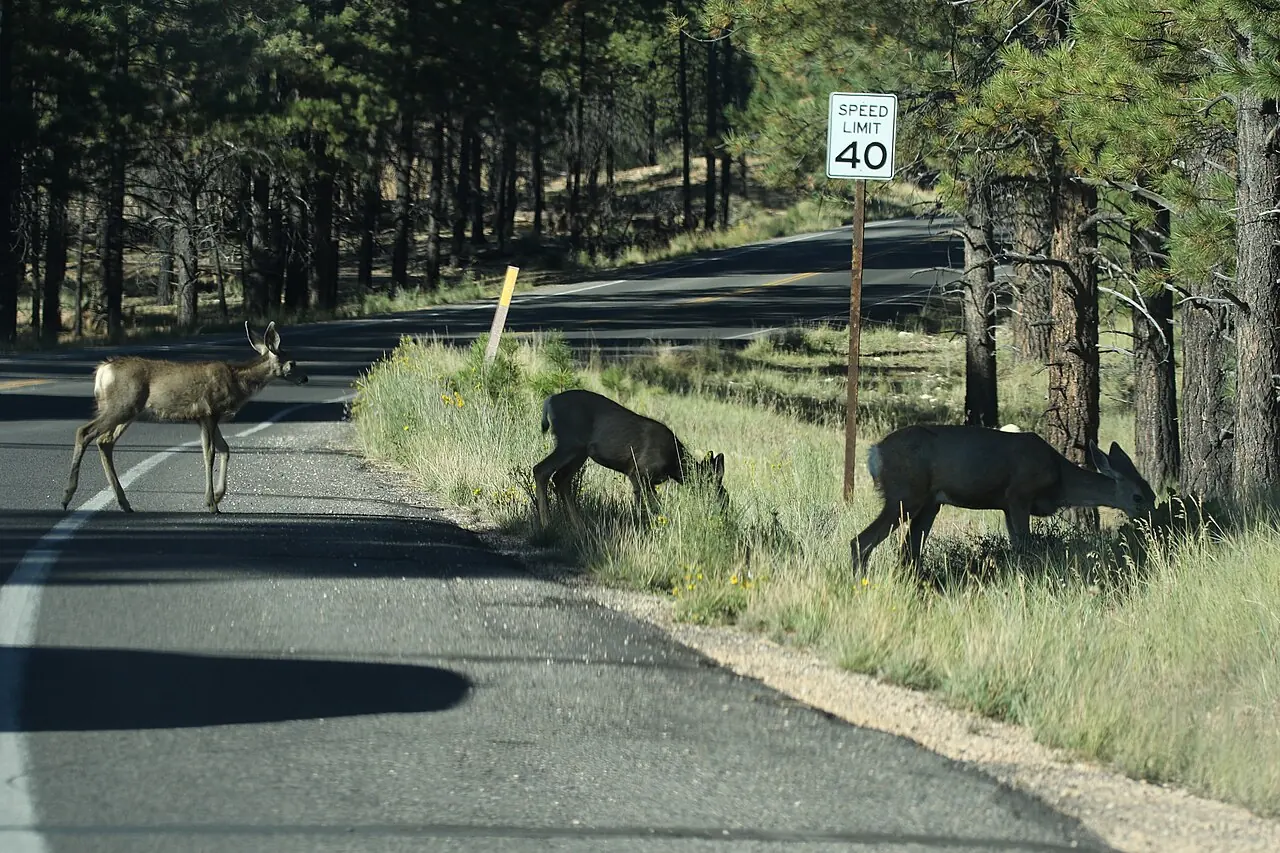
Found across Utah, from high mountains to city neighborhoods, and named for its large, mule-like ears.
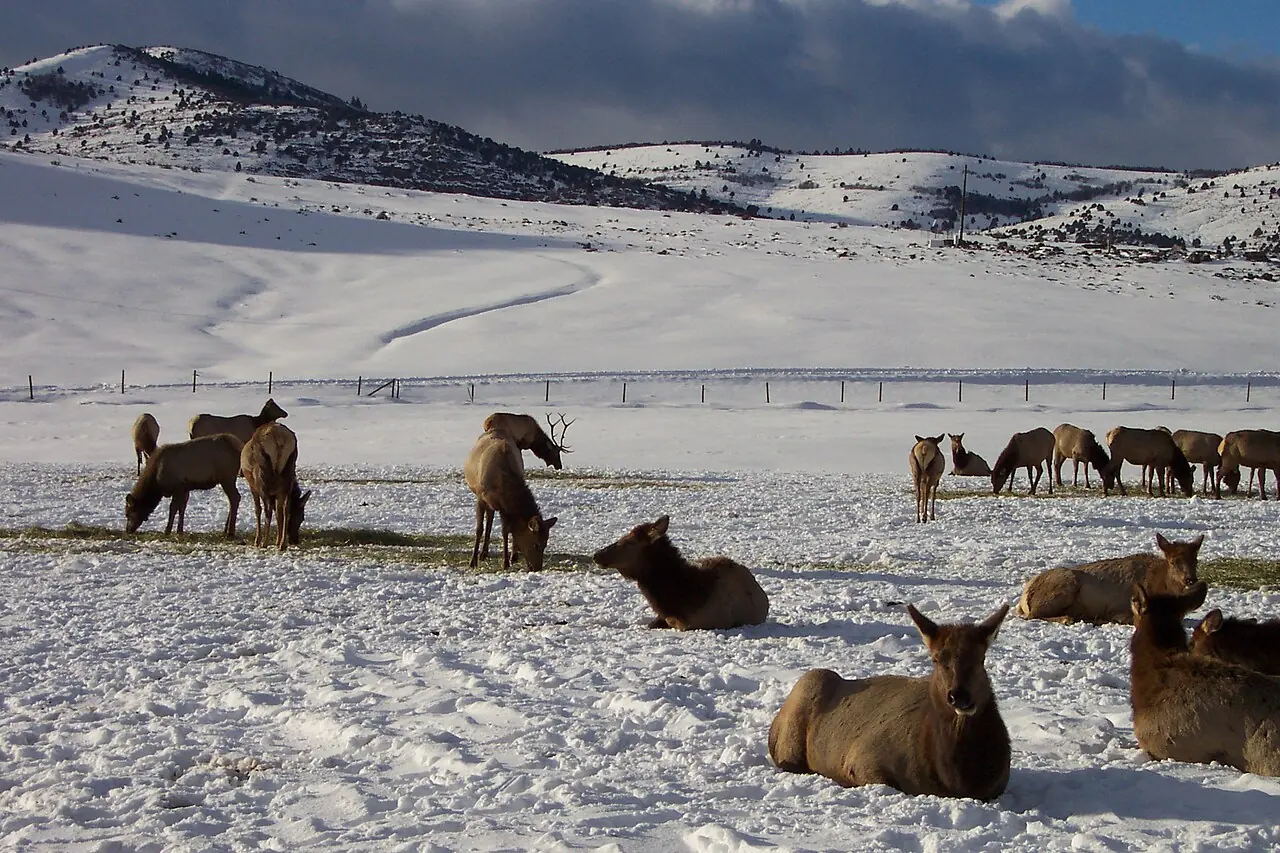
Utah's state mammal, best known for the fall bugling of bulls during the rut.
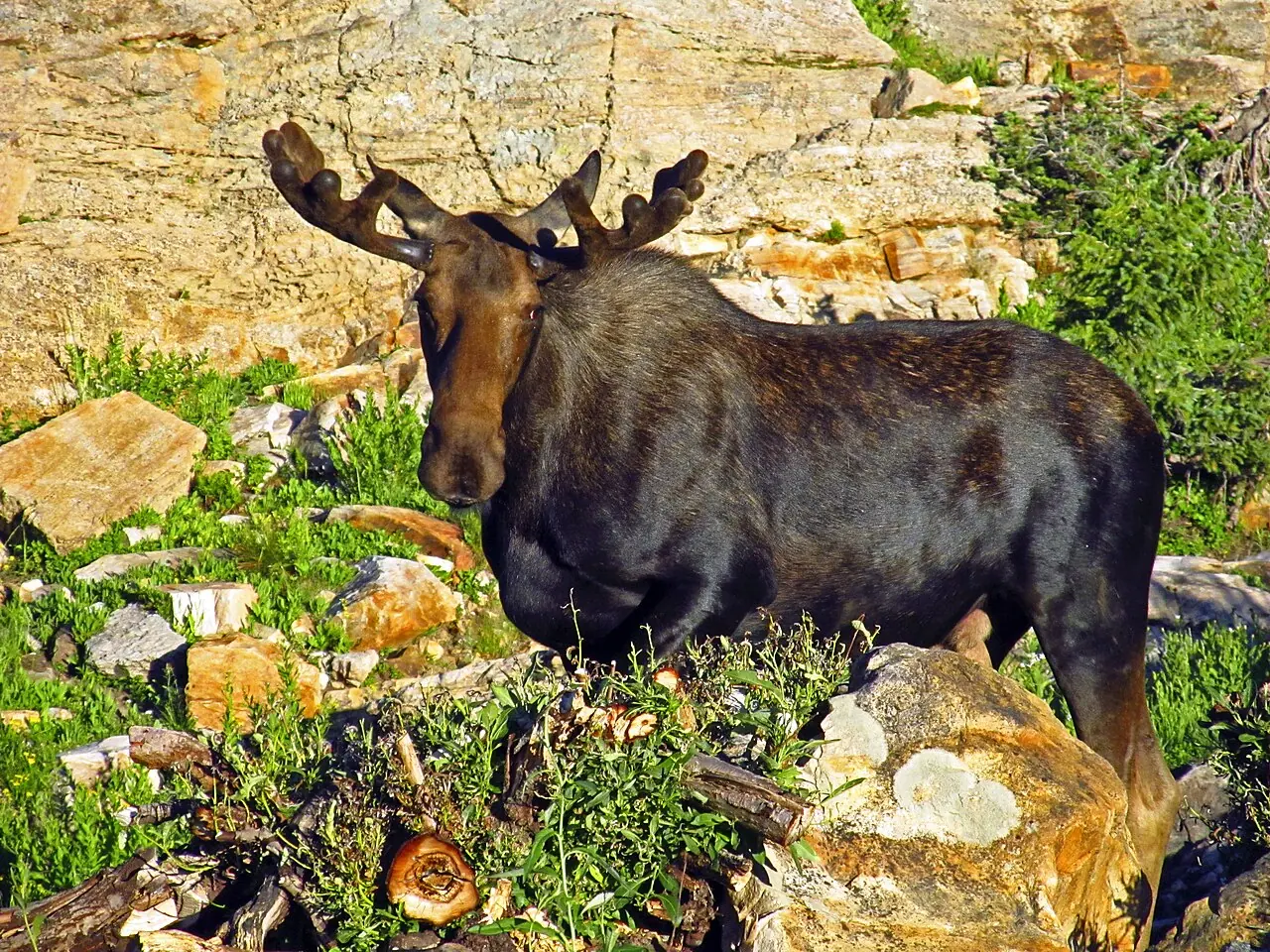
The largest member of the deer family in Utah, at home where northern mountain forest meets water.