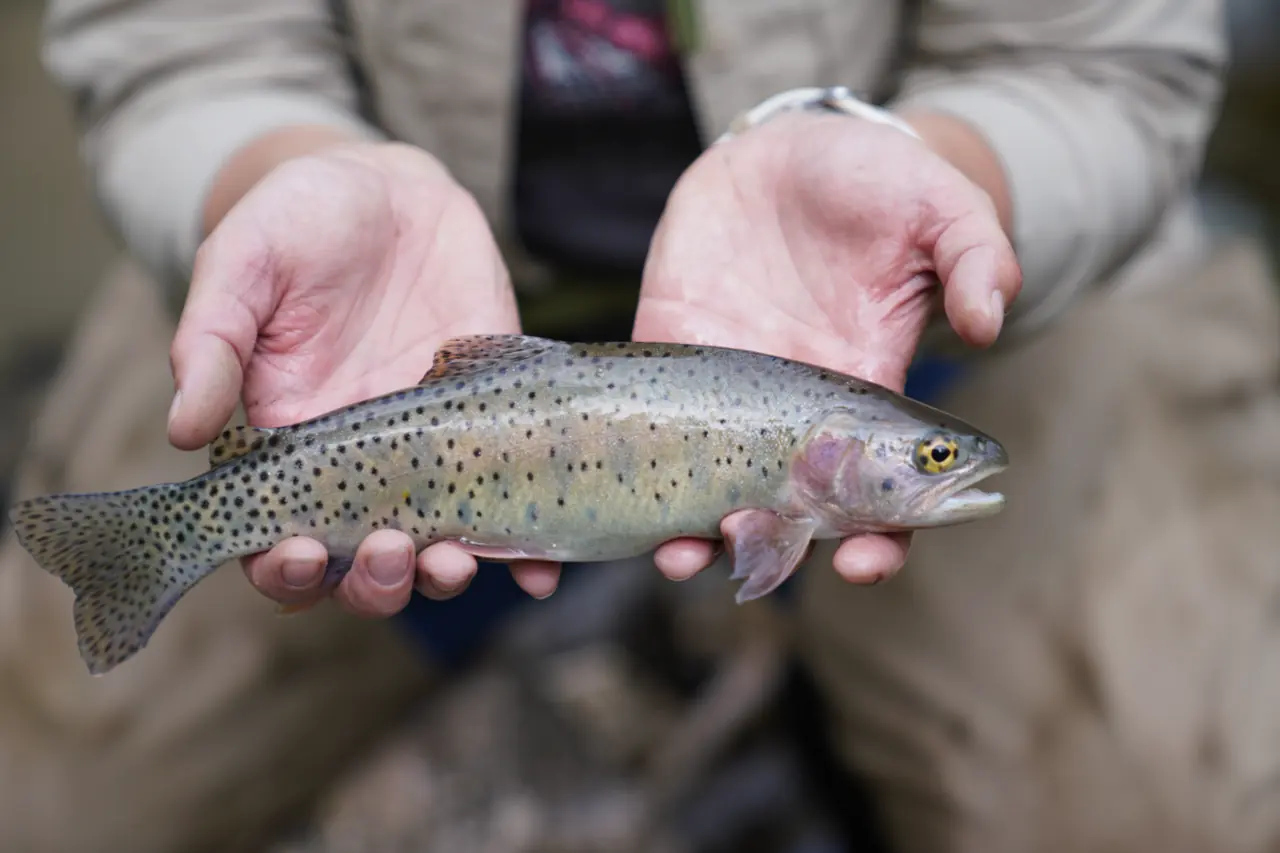
Cutthroat trout
Utah's native trout, with distinct drainage histories and restoration needs that a familiar throat mark cannot tell on its own.
Help Utahns understand their communities and hold government accountable. Through nonpartisan, AI-assisted research, we examine public records, follow decisions and votes, and connect readers with local news, events and places.
Everything Utah, every day.
A Utah Lake native whose recovery depends on both adult spawning access and safe nursery habitat for young fish.
The June sucker is a lake-adapted member of the sucker family with a feeding style that challenges the usual bottom-feeder image. Its relatively forward-facing mouth and specialized gill structures allow it to feed on plankton suspended in the water. DWR describes zooplankton in the middle of the water column as its food. A fish's name alone is therefore a poor guide to its ecological role, and a distant view should not be used to identify every sucker in Utah Lake as this species.
Its natural home is the Utah Lake system, with spawning movements into tributary habitat such as the lower Provo River. The annual movement is only one part of successful reproduction. Newly hatched fish also need suitable places to develop, which helps explain the importance of restoring delta habitat between the river and lake. Utah's documented recovery work includes monitoring tagged fish as they move through the restored Provo River Delta, so managers can understand how the habitat is being used.
Recovery has improved the species' position, but the legal distinction matters. A federal rule effective February 3, 2021 changed its status from endangered to threatened; it did not remove protection. Current Utah agency material still identifies it as threatened. The story is consequently one of continuing recovery, not a finished rescue. Visitors can appreciate the connection between lake, river and wetland from established public routes without entering shallow nursery habitat or interfering with spawning fish.
Lake sucker with a relatively forward-facing mouth; species identification requires more care than simply recognizing the sucker family.
Federally threatened. The change from endangered took effect February 3, 2021; the species was downlisted, not delisted.
Observe from established banks or paths, do not disturb spawning or nursery habitat, and check DWR's current rules before fishing.

Utah's native trout, with distinct drainage histories and restoration needs that a familiar throat mark cannot tell on its own.
An upturned bill, blue-gray legs and a sweeping feeding motion make this wetland shorebird especially distinctive.
A large white migrant whose family groups link Utah's wetlands with Arctic nesting country.

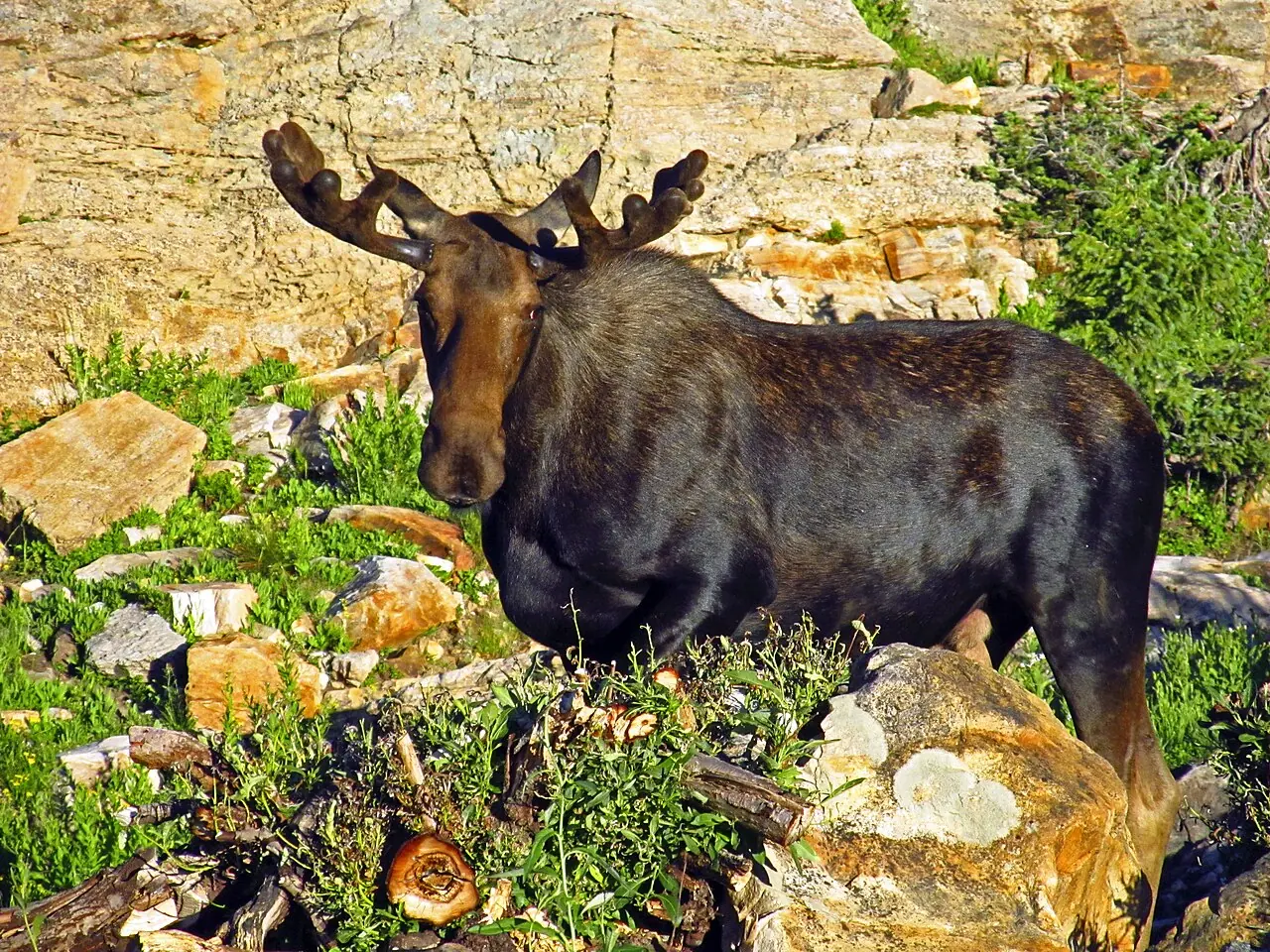
The largest member of the deer family in Utah, at home where northern mountain forest meets water.