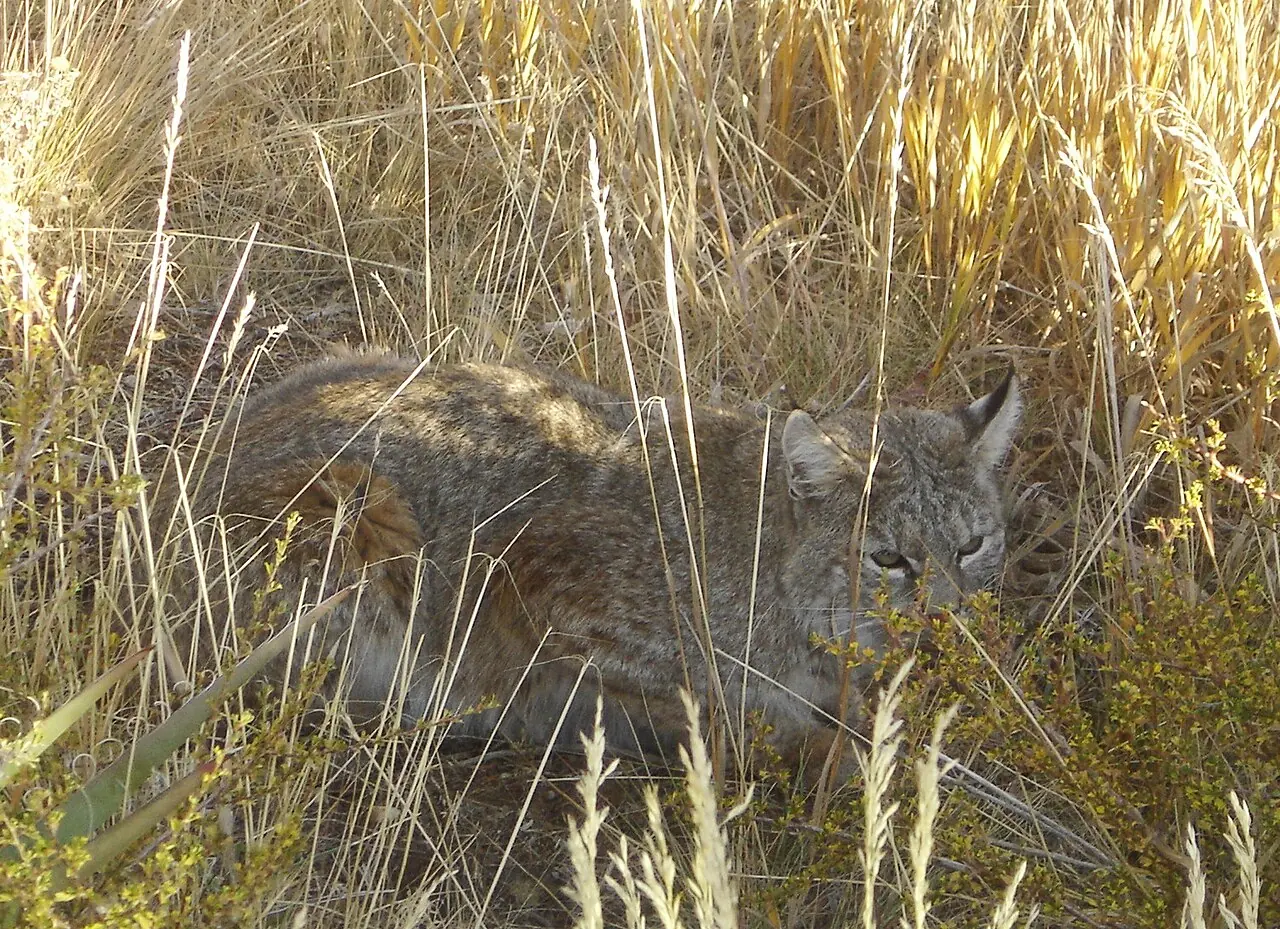
Wildflowers
Showy milkweed
A broad-leaved native perennial whose clustered flowers support pollinators and whose leaves can host monarch caterpillars.
Help Utahns understand their communities and hold government accountable. Through nonpartisan, AI-assisted research, we examine public records, follow decisions and votes, and connect readers with local news, events and places.
Everything Utah, every day.
An orange-and-black migrant whose caterpillars need milkweed and whose adults need flowers through the season.
A monarch's orange wings and dark pattern make it familiar, but useful observation begins with its plants as well as its color. Caterpillars depend on milkweed, while adult butterflies drink nectar from a wider variety of flowers. A garden full of nectar can feed passing adults without providing a place to raise young if it lacks suitable milkweed. Conversely, a milkweed patch alone does not supply all the nectar needs of adults across a long breeding and migration season.
Utah's fields, stream corridors and gardens can contribute to that seasonal network. The larger North American migration includes eastern and western populations, with some interchange rather than an absolute division. Western migratory monarchs primarily overwinter along the California coast and into northern Baja California; it would be misleading to assign every butterfly seen in Utah to one guaranteed destination. Successive generations and changing food supplies make a single summer sighting one small moment in a much longer life-cycle story.
Habitat loss and degradation, insecticide exposure and climate change are important conservation concerns. On legal status, the U.S. Fish and Wildlife Service still described a proposed threatened listing as of October 22, 2026, and said there had been no final ruling. A proposal does not put the final listing's protections into effect. Watching adults feed and leaving eggs, caterpillars and their host plants undisturbed are useful ways to enjoy the species without turning observation into collection.
Orange-and-black adult butterfly; confirm with a full guide if similar butterflies are present. Milkweed association is ecological context, not proof of identity.
The U.S. Fish and Wildlife Service has proposed listing the monarch as threatened. As of October 2026 there is no final rule.
Photograph without capturing adults or removing immature stages. Retain habitat and choose locally appropriate native planting guidance if improving a garden.
A broad-leaved native perennial whose clustered flowers support pollinators and whose leaves can host monarch caterpillars.
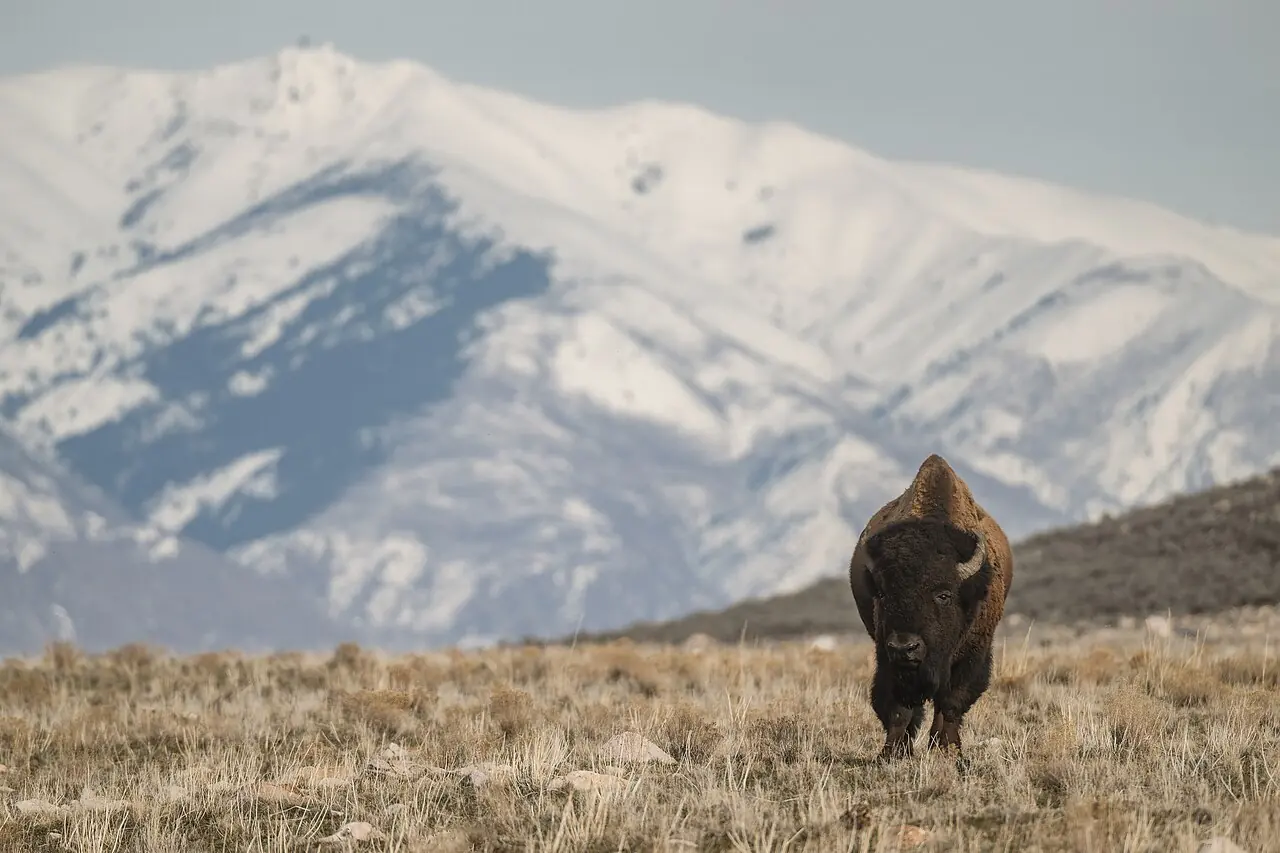
North America's largest land animal, with wild herds on Antelope Island, in the Henry Mountains and in the Book Cliffs.
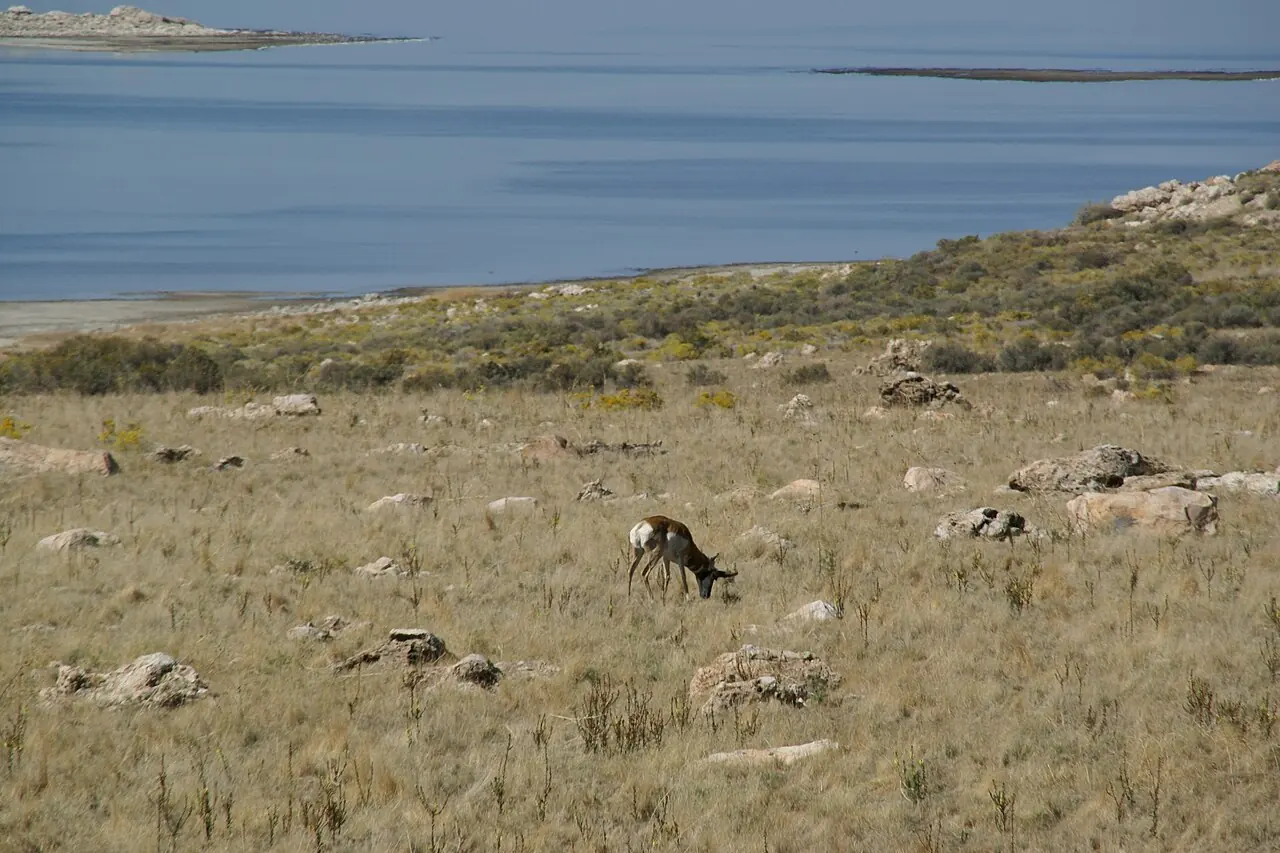
An open-country specialist with a white rump, unusual shedding horn sheaths and a need for connected habitat.