Shrubs
Big sagebrush
A foundational shrub of Utah's open country, with small gray-green leaves and an outsized role in wildlife habitat.
Help Utahns understand their communities and hold government accountable. Through nonpartisan, AI-assisted research, we examine public records, follow decisions and votes, and connect readers with local news, events and places.
Everything Utah, every day.
Open country is not vacant ground waiting for trees.
Open country is not vacant ground waiting for trees. The Forest Service's Wyoming big sagebrush synthesis describes a diverse ecosystem and explains how nonnative annual grasses can change fuels and fire patterns. After fire, recovery depends on the plant community, soils, weather and other site conditions. The result should not be simplified to a single restoration recipe or a claim that all sagebrush habitats respond alike.
Open country is not empty ground waiting for trees. Big sagebrush, Indian ricegrass, blue grama, bluebunch wheatgrass and antelope bitterbrush make up its plant layers, and pronghorn and Utah prairie dogs show two very different animal lives in it. Each animal has its own range and habitat needs, so a shared label here is for navigation only. Cheatgrass is worth reading beside the native grasses, because the difference between the two matters for fire and for everything that grows with them.
A foundational shrub of Utah's open country, with small gray-green leaves and an outsized role in wildlife habitat.
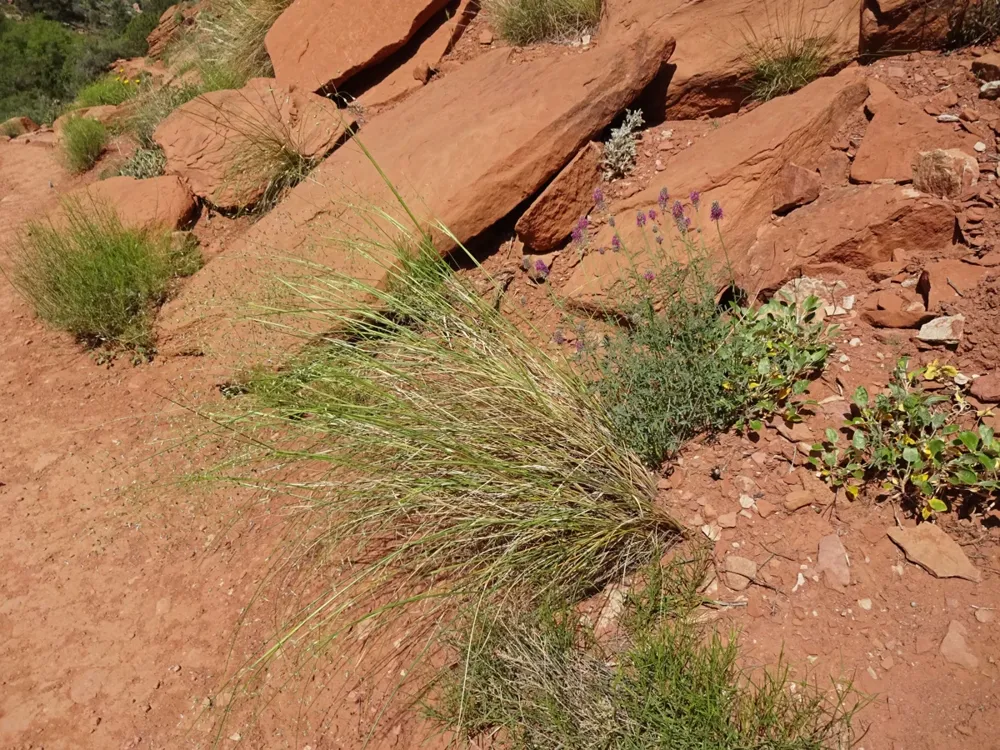
Utah's state grass is a cool-season perennial whose airy seedheads rise from distinct clumps on dry ground.
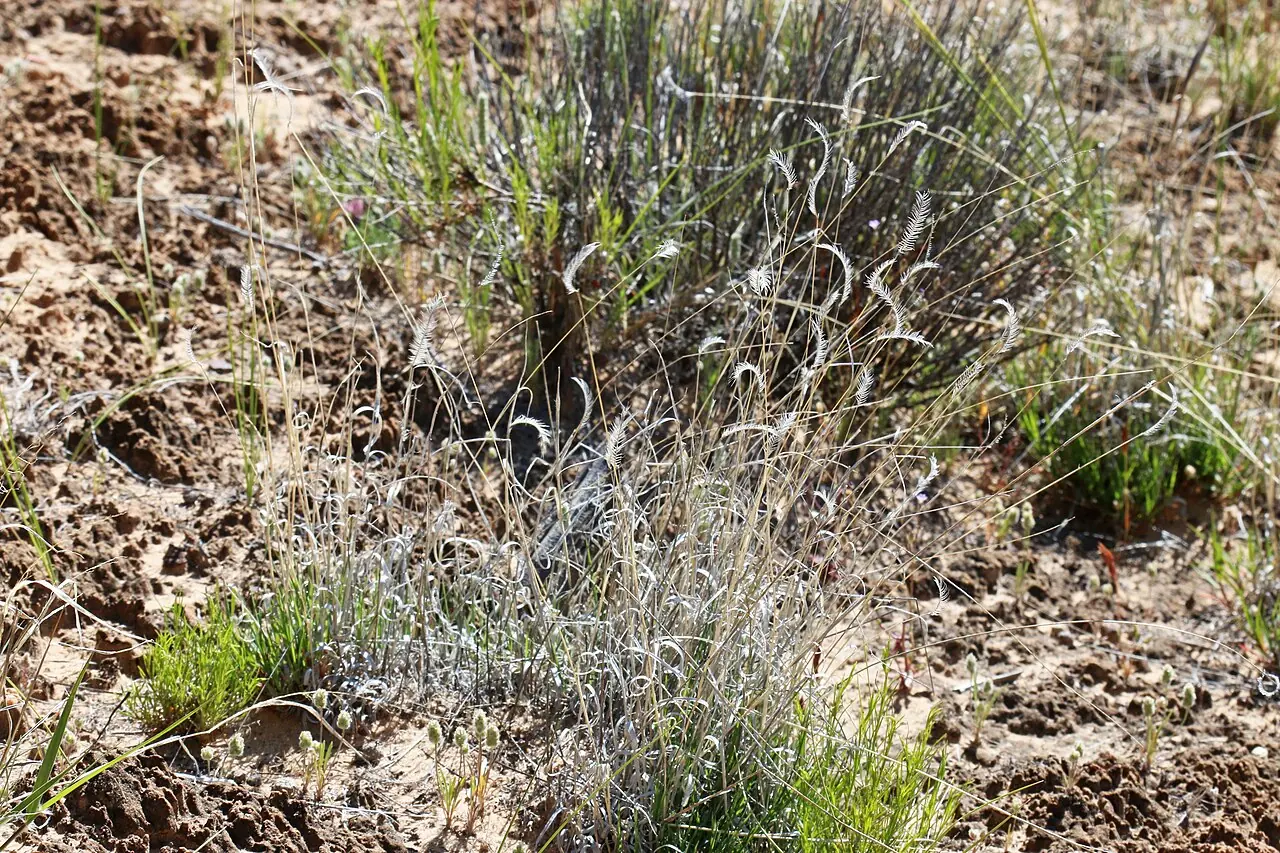
A low native grass with sideways, eyelash-like seedheads and a growing season tied to warmth and summer moisture.
A widespread native bunchgrass with slender upright spikes and a root system adapted to dry western landscapes.
A drought-tolerant shrub with small three-lobed leaves, pale yellow flowers, and a major role in winter browse.
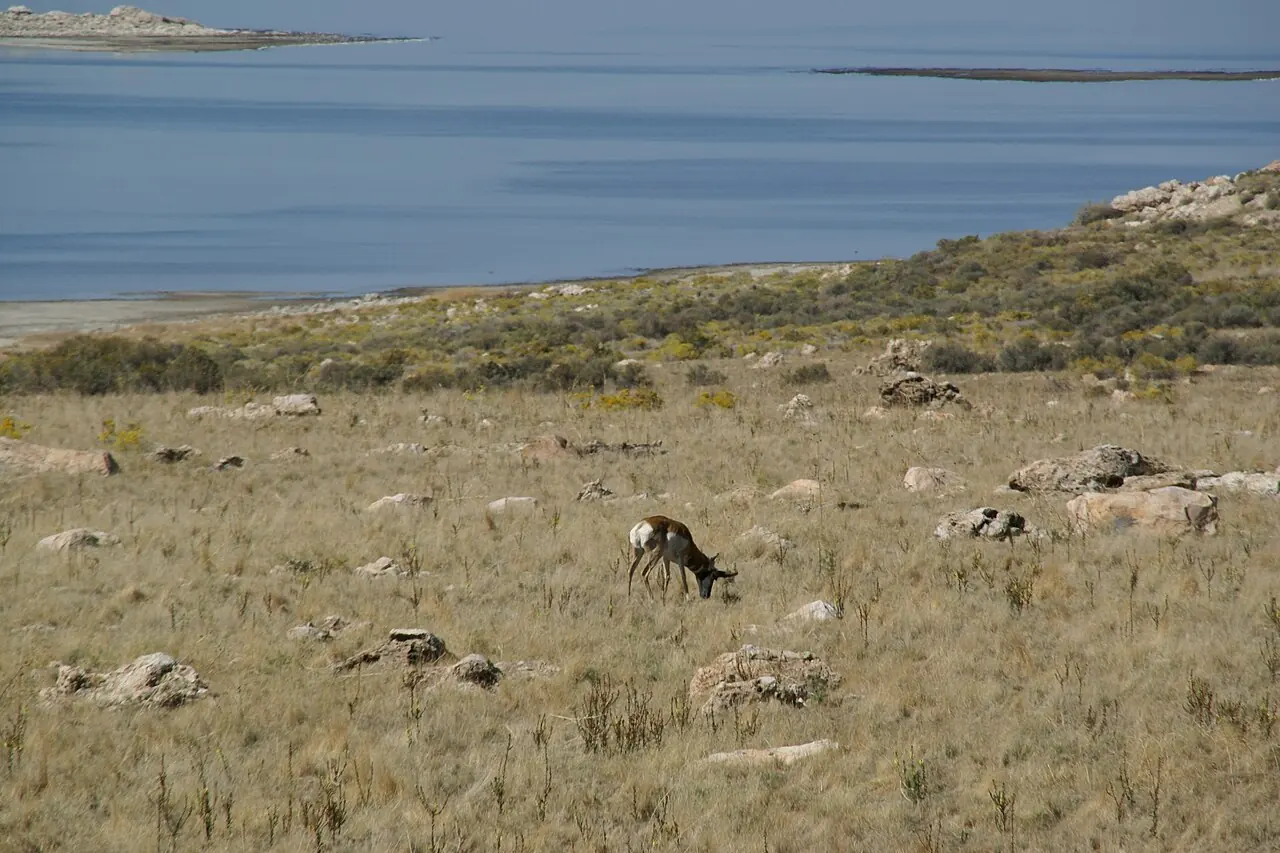
An open-country specialist with a white rump, unusual shedding horn sheaths and a need for connected habitat.
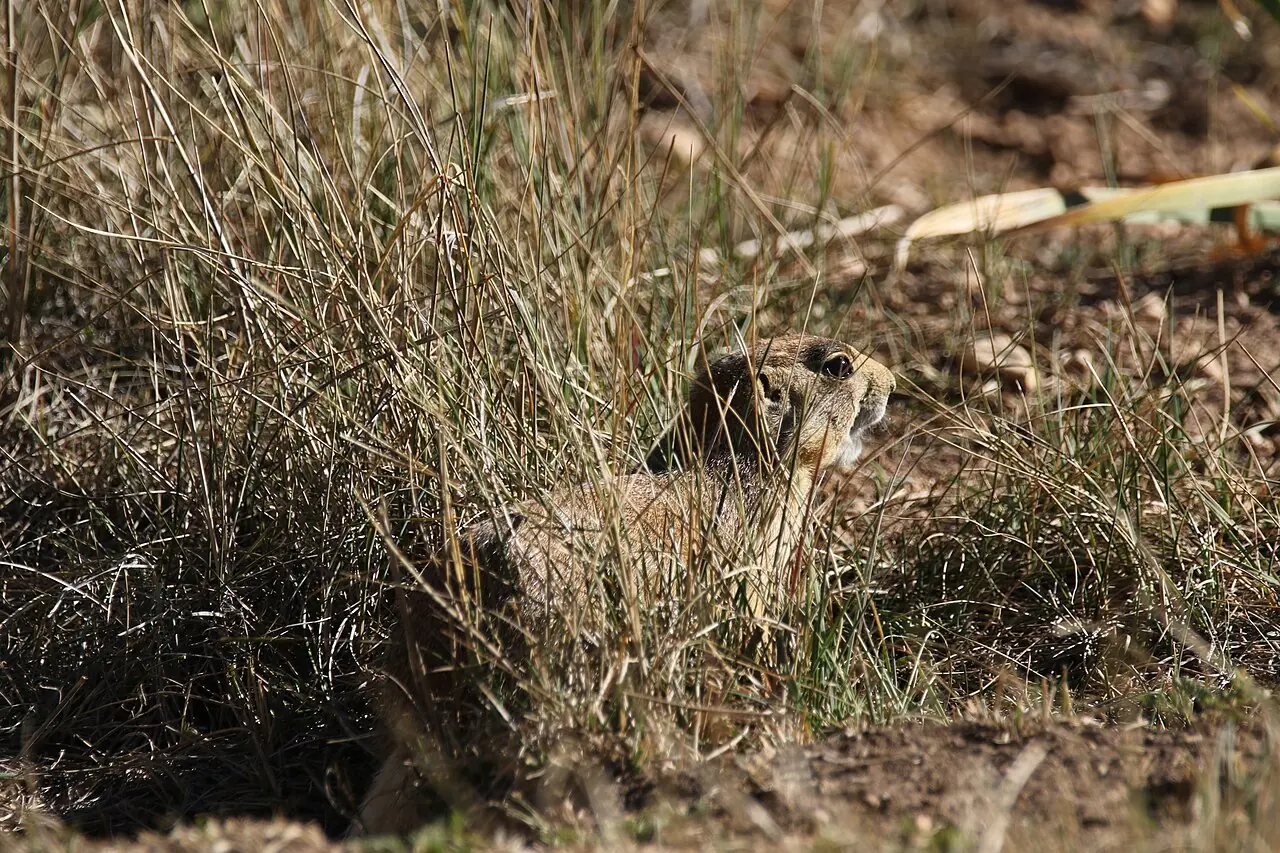
A Utah endemic whose short-grass colonies support a much larger community of grassland wildlife.
An introduced annual grass that gets a head start on native plants by sprouting in fall.