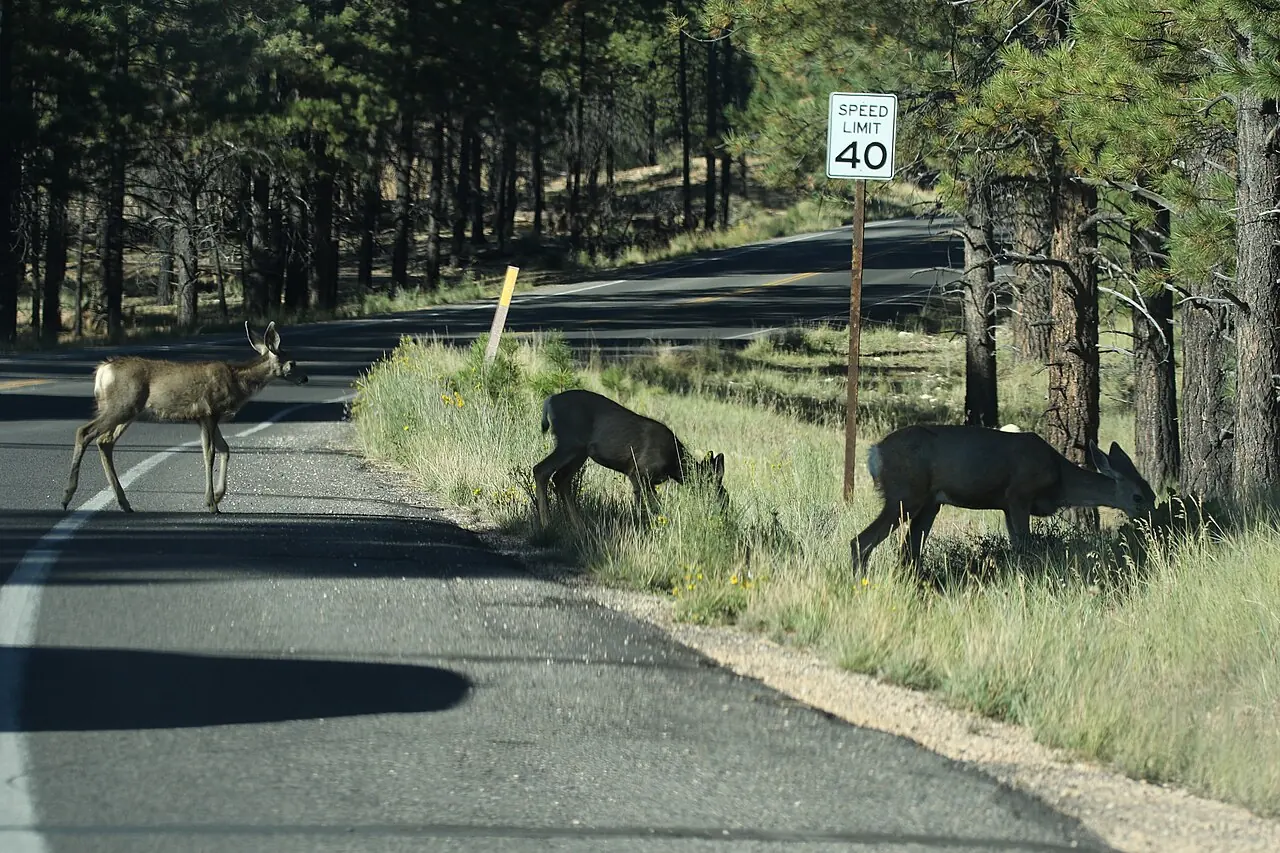
Mule deer
Found across Utah, from high mountains to city neighborhoods, and named for its large, mule-like ears.
Help Utahns understand their communities and hold government accountable. Through nonpartisan, AI-assisted research, we examine public records, follow decisions and votes, and connect readers with local news, events and places.
Everything Utah, every day.
The foothills are especially important to understand in winter.
The foothills are especially important to understand in winter. A Mule Deer Working Group fact sheet hosted by Utah DWR explains that deer conserve energy when forage is limited. Recreation that makes deer move can use that energy and interrupt feeding or rest; off-trail travel and dogs can intensify the disturbance. A deer near a path is therefore a reason to leave space, not to follow it for a closer photograph.
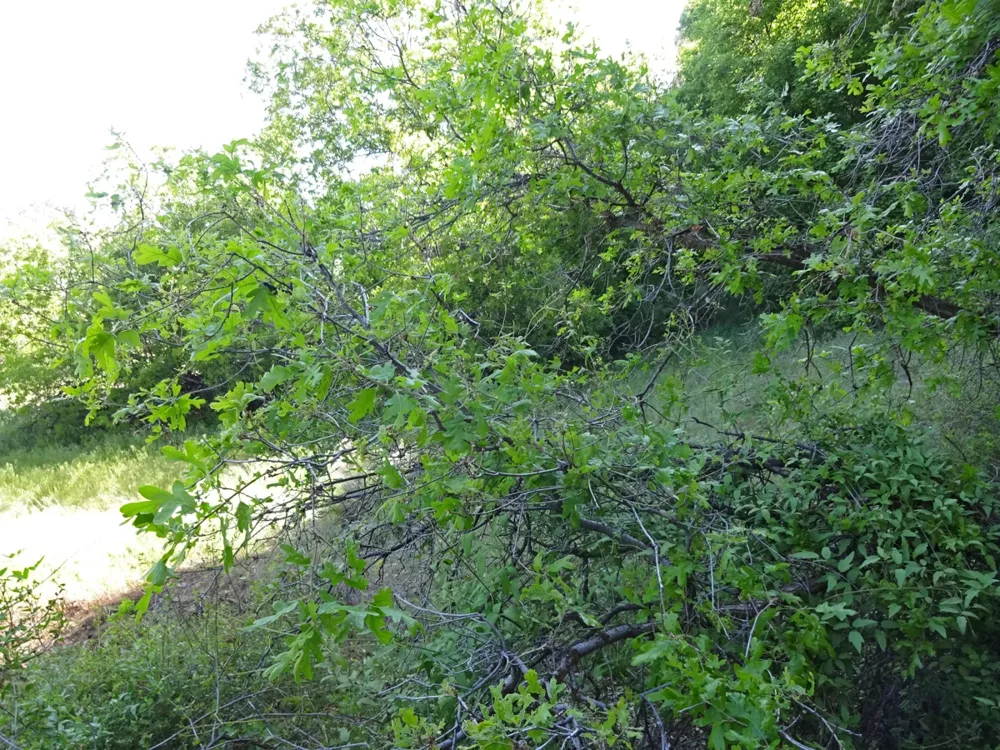
Foothills are where deer, oak, maple and shrubs meet the edge of town. Gambel oak, bigtooth maple and antelope bitterbrush supply the plant side, and mule deer the animal side. Comparing them is a way to learn the habitat, not evidence that all of them share any particular trail. On Utah DWR management areas, restrictions and seasonal closures are set property by property, so use the current map before a winter visit. A deer near a path is a reason to leave space, not to follow it for a closer photograph.

Found across Utah, from high mountains to city neighborhoods, and named for its large, mule-like ears.

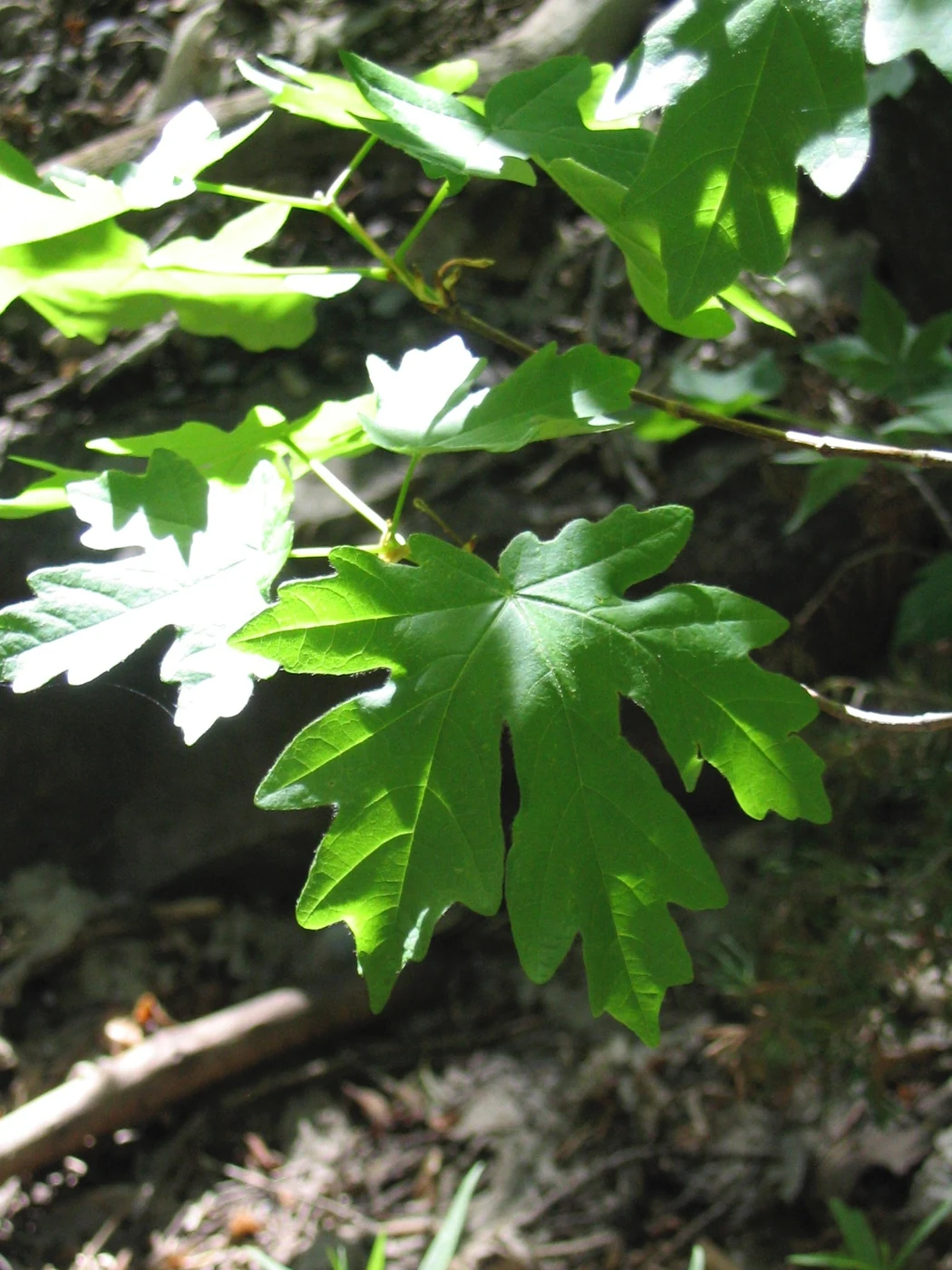
A thicket-forming native oak that links Utah's foothills with mountain woodlands and provides important wildlife food and cover.

A drought-tolerant shrub with small three-lobed leaves, pale yellow flowers, and a major role in winter browse.