Published by Paul Ivinskas
Thursday, October 22, 2026
Our mission

Help Utahns understand their communities and hold government accountable. Through nonpartisan, AI-assisted research, we examine public records, follow decisions and votes, and connect readers with local news, events and places.

Everything Utah, every day.

Wildlife & plants guides

Great Salt Lake: a lake and its wetland neighbors

Keep the saline lake and the freshwater wetland margins distinct in the guide.

Keep the saline lake and the freshwater wetland margins distinct in the guide. Bear River refuge protects marshes at the river's mouth and manages water depths with dikes and water-control structures. Its location connects the Great Salt Lake landscape to migratory birds. Arches' bird overview provides a broader ecological lesson: water, cover and food concentrate bird life in river corridors, while different bird communities use uplands. Habitat matters more than a statewide bird checklist.

The brine shrimp and brine flies, and the eared grebe that feeds on them, explain the saline side of the food web. The American avocet, black-necked stilt, tundra swan and the Bear River refuge overview show how birds use the surrounding wetlands. They don't all eat the same prey or use the same water. Lake levels and refuge access change, so check current notices; the species accounts describe habits, not today's conditions.

See every profile in this habitat

Profiles to read with this guide

A magnified Artemia franciscana brine shrimp against a dark background
Species reference photograph: Artemia franciscana brine shrimp. The source does not specify where the specimen was collected; this is not a documented Great Salt Lake sighting. Photo: Biodiversity Institute of Ontario · CC BY 3.0 · Wikimedia Commons
Invertebrates

Brine shrimp and brine flies

Tiny crustaceans and insects carry energy from Great Salt Lake's microscopic producers to its birds.
Birds

Eared grebe

A small diving bird whose long autumn stopovers reveal the importance of Great Salt Lake's invertebrate food supply.

Podiceps nigricollis

Birds

American avocet

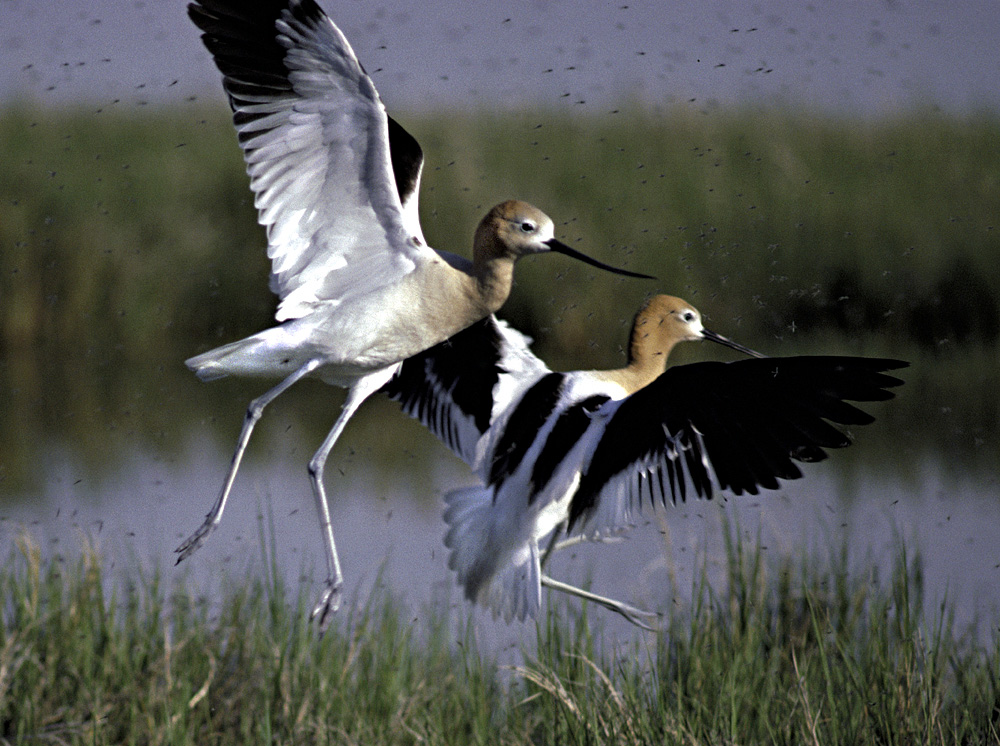
An upturned bill, blue-gray legs and a sweeping feeding motion make this wetland shorebird especially distinctive.

Recurvirostra americana

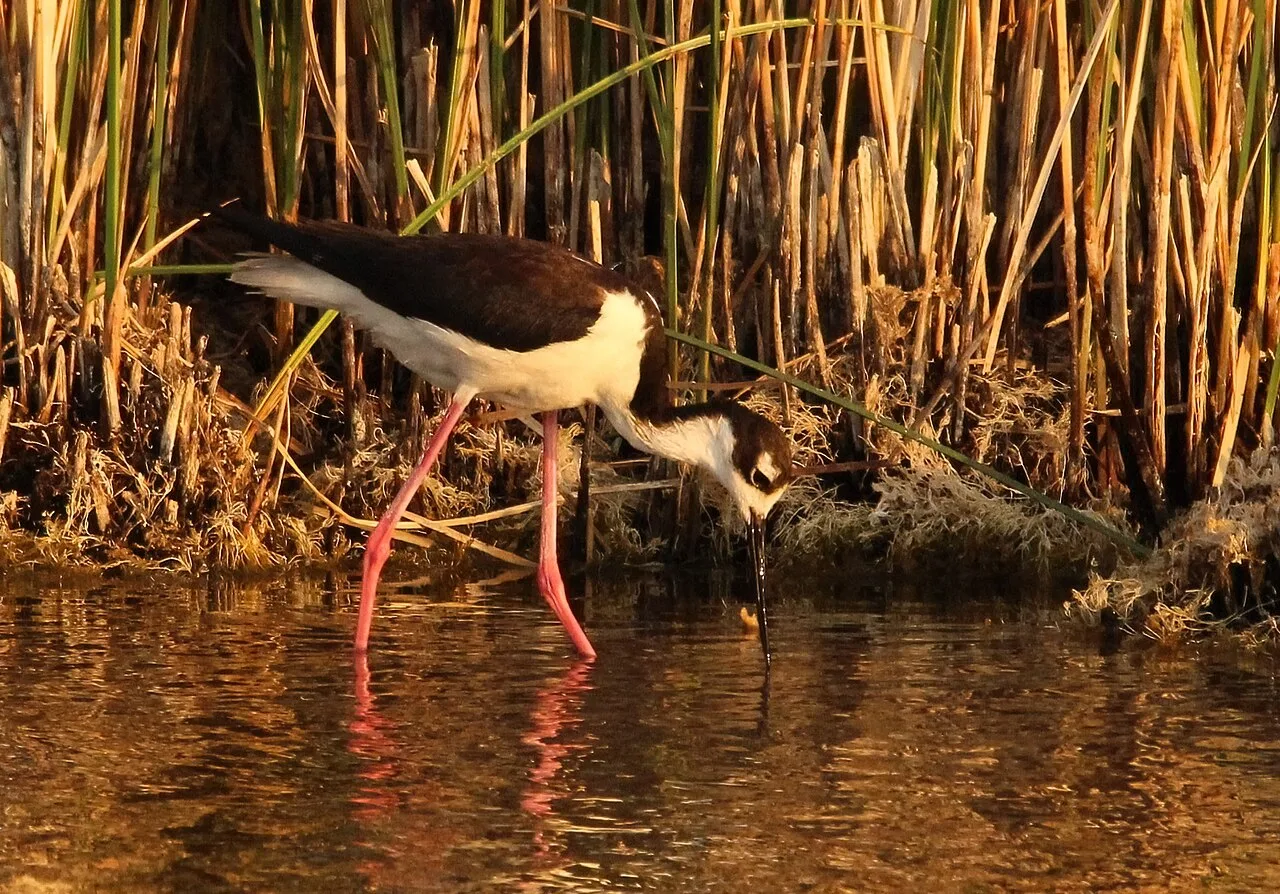
A black-necked stilt wading in shallow water at Fish Springs National Wildlife Refuge, Utah
Black-necked stilt at Fish Springs National Wildlife Refuge, Utah (June 15, 2021). Photo: Sandra Uecker / USFWS Mountain Prairie · Public domain · Wikimedia Commons
Birds

Black-necked stilt

Pink legs and a straight, needlelike bill distinguish this black-and-white wader from its avocet neighbors.

Himantopus mexicanus

Birds

Tundra swan

A large white migrant whose family groups link Utah's wetlands with Arctic nesting country.

Cygnus columbianus

American avocets with raised wings at Bear River Migratory Bird Refuge
File photo: American avocets with raised wings at Bear River Migratory Bird Refuge. Photo: U.S. Fish and Wildlife Service · Public domain · Wikimedia Commons
Birds

Bear River refuge birds

Read the refuge as a changing set of habitats, from shallow feeding flats to marsh cover and deeper water.

More guides

Saved on this device. Statewide news and alerts remain available.