Wildflowers
Showy milkweed
A broad-leaved native perennial whose clustered flowers support pollinators and whose leaves can host monarch caterpillars.
Help Utahns understand their communities and hold government accountable. Through nonpartisan, AI-assisted research, we examine public records, follow decisions and votes, and connect readers with local news, events and places.
Everything Utah, every day.
USU Extension frames wildlife habitat around food, water, cover and places to raise young.
USU Extension frames wildlife habitat around food, water, cover and places to raise young. Native plants can supply foliage, nectar, pollen, fruit and shelter; vegetation is part of the animal story even in a developed neighborhood. The useful starting question is what the landscape supports, rather than how to lure a particular animal close enough to photograph.
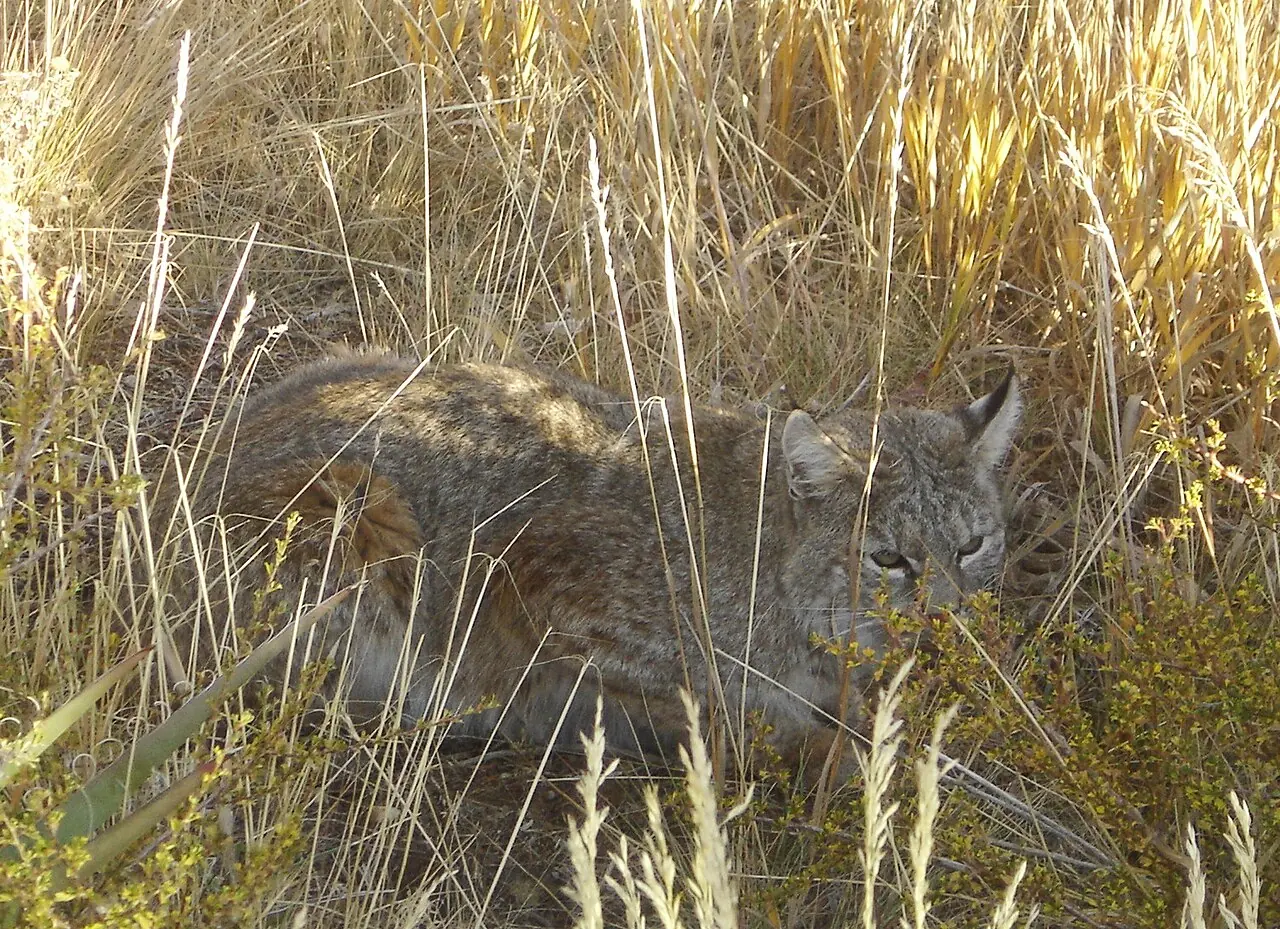
Yards and parks can offer food, water, cover and nesting sites in miniature. Showy milkweed and the monarch butterfly are a good pair to learn together, as long as the caterpillar's host plant and the adult's nectar plants stay distinct. Coyotes, bobcats and bats each come with their own coexistence advice in their profiles. None of this is an invitation to feed wildlife or to put out water near a road. Plant choices and upkeep belong in a locally appropriate gardening guide.
A broad-leaved native perennial whose clustered flowers support pollinators and whose leaves can host monarch caterpillars.
An orange-and-black migrant whose caterpillars need milkweed and whose adults need flowers through the season.
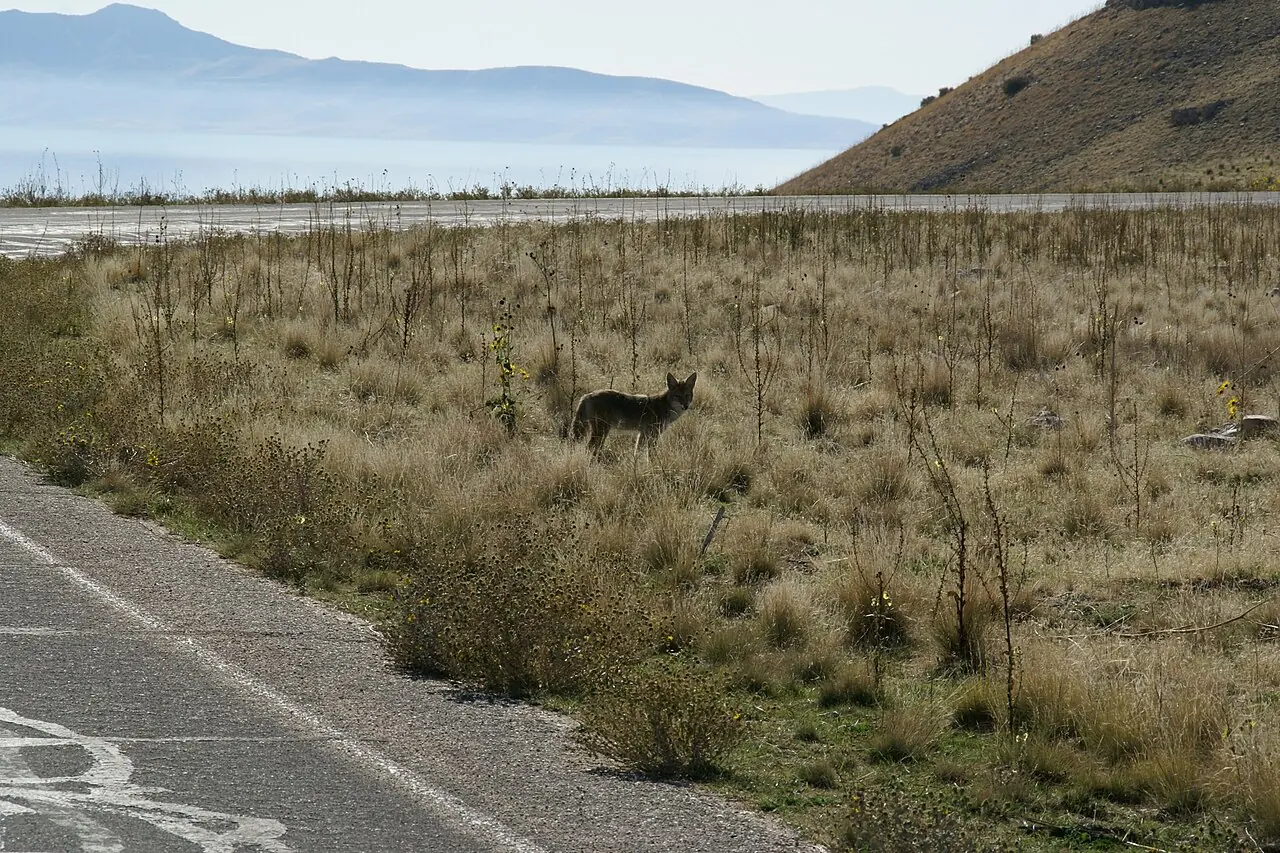
Common across Utah, including in cities, and an opportunist that will eat almost anything.
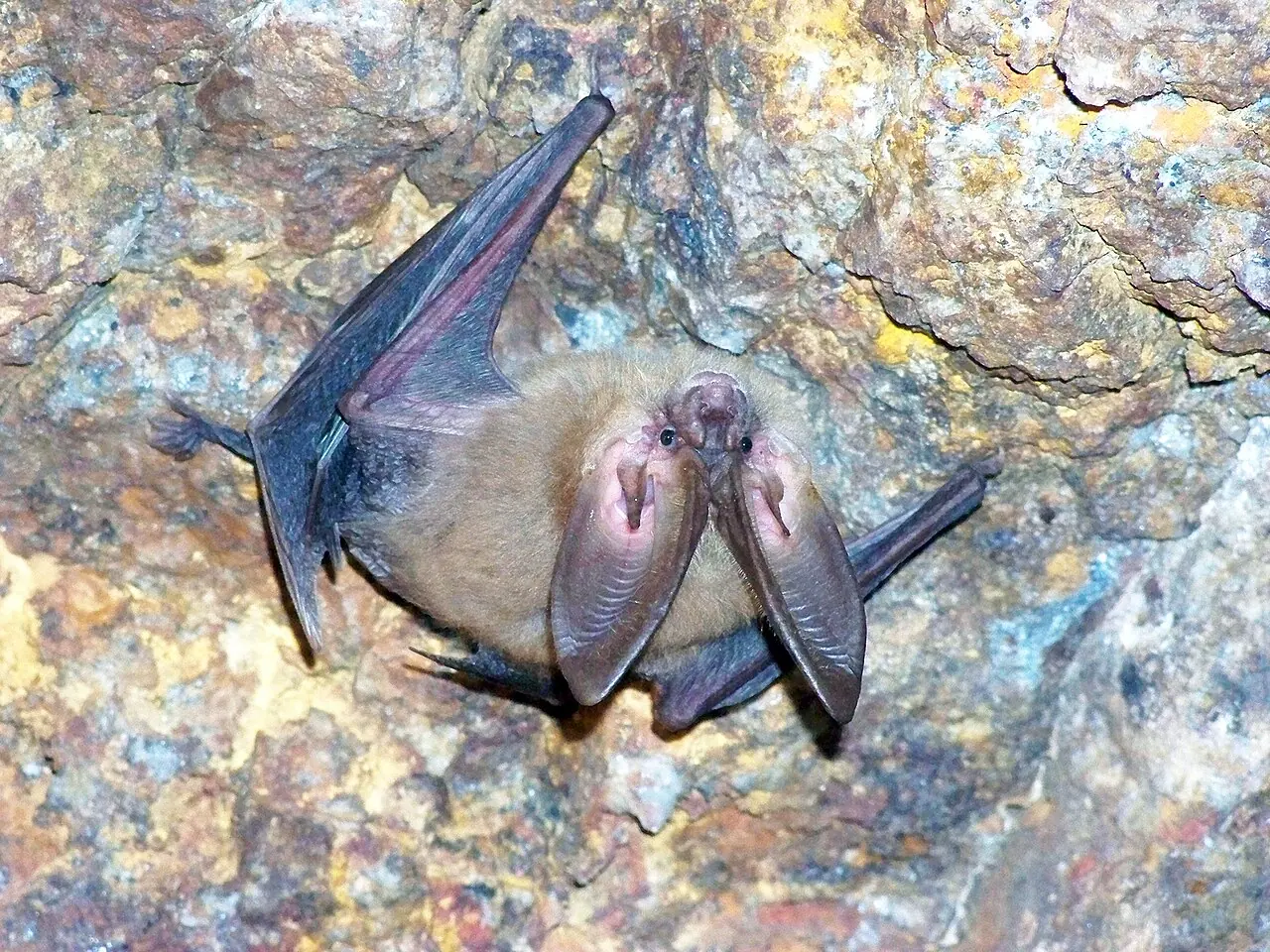
Insect-eating flying mammals whose lives depend on suitable roosts, water and a safe seasonal cycle.