Utah was early to write AI rules, and now the fight has moved to large data centers in rural counties, where opposition has already cost officials their seats.
Commissioners unanimously approved a Strategic Development Zone overlay and ended the data center moratorium nearly a month early.
15 stories since October 9, 2026
The story so far
Sources checked October 27, 2026. Dates below describe events or source documents; checking a source does not make its data current.
Utah's data center rules now rest on a 2026 water-reporting law and a May 29 executive order that sets a framework for state agencies. Counties and cities are writing their own limits on size, water and power alongside them. [1] [2]
Background and milestones
H.B. 76, Data Center Water Transparency Amendments, was signed March 26, 2026 and took effect July 1, 2026. It covers new data centers over 10,000 square feet that expect to draw 75 acre-feet of water a year or more. Facilities operating or under construction before July 1 are exempt. [1]
Operators file a report with the Division of Water Rights 90 to 360 days before construction starts, covering location, estimated withdrawals, discharge treatment and water reuse. Once running, they report actual withdrawals and conservation efforts each July 1. The Division says it will publish annual reports, with each center's name and withdrawal, by September 1. A business can ask for confidential treatment under the state records law; in that case only the withdrawal amount is public. [1]
Executive Order 2026-03 applies to state executive-branch agencies, not the Legislature, courts, higher education or the Attorney General. Its framework lists eight principles, including no increase in water consumption, protecting air quality and utility ratepayers, rural job growth, wildlife, and public comment opportunities. [2]
Milestones
November 3, 2022 — Great Salt Lake Basin water-appropriation proclamation(published) Gov. Spencer Cox's 2022 Proclamation 2022-01 suspended new appropriations of surplus water in the Great Salt Lake Basin; the 2026 order cites it. [2]
March 26, 2026 — H.B. 76 signed(adopted) The Division of Water Rights lists March 26, 2026 as the signing date. [1]
May 29, 2026 — Executive Order 2026-03 signed(adopted) The order sets the Data Center Framework and directs agencies to follow it, to do public outreach and to work with legislative interim committees. [2]
July 1, 2026 — Water reporting takes effect(adopted) New large data centers must notify the Division and report water use from this date; annual reports are due each July 1. [1]
September 1, 2026 — First annual report publication date(scheduled) The Division says annual reports will be published by September 1 each year. When checked, its page listed no published data yet. [1]
Planned and scheduled dates reflect the source as checked. They do not confirm that an event happened.
What to watch
Watch for the Division of Water Rights' first published reports and for whether county and city ordinances match the state's 75 acre-foot threshold. Recheck the Division's page, which showed no published data when checked. [1]
Unanswered questions and limits
How many projects fall under the 75 acre-foot threshold, and how many reports will be held back as confidential?
How will agencies apply the order's 'no increase in water consumption' principle to specific permits?
Will local limits on size, water and power line up with the state framework?
Local ordinances, moratoriums and individual projects are covered in the stories below, not in this module.
This module does not verify the text of H.B. 76 as enrolled; it relies on the Division's summary, which carries no update date.
Critics question oversight of Utah's AI prescription refill pilot · On this topic: Researchers and other critics say Utah's pilot letting the startup Doctronic use artificial intelligence to renew routine prescriptions lacks enough independent oversight, according to a report by the Utah Investigative Journalism Project published with KUER.
Lehi and Herriman founders build AI tools for police evidence review · published Oct 19 · On this topic: Two Utah software developers are building artificial intelligence tools to help police review digital evidence while reducing exposure to traumatic material, KSL.com reported. Chase Cutler and Mike Hawker, who are raising families in Lehi and Herriman, founded ShieldView.
Utah officials and experts debate who is liable when AI causes harm · On this topic: Utah lawmakers, state officials and technology experts met Thursday at a Regulatory Reform Summit on artificial intelligence at Utah Valley University to discuss how to regulate the technology, the Deseret News reported. Rep.
Commissioners unanimously approved a Strategic Development Zone overlay and ended the data center moratorium nearly a month early.
· From KSL
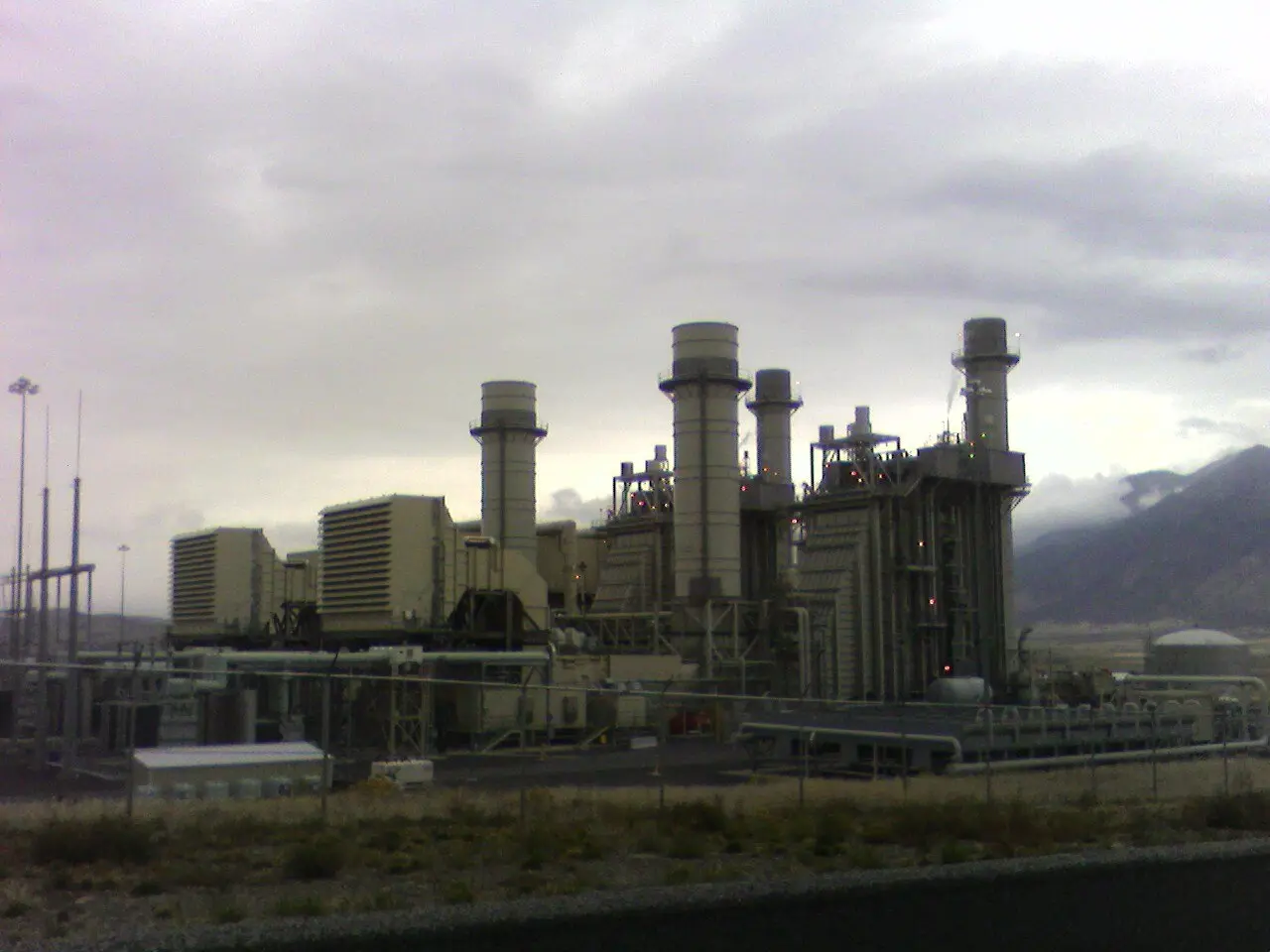
Currant Creek Power Plant, a natural gas-fired plant in Juab Valley, Utah, in 2007. Stratos has not been built. Photo: David Jolley · CC BY-SA 3.0 · Wikimedia Commons
On this topic: Utah's venture community, built largely on software, is weighing a shift toward hardware as artificial intelligence drives demand for physical infrastructure, Utah Business reported. Full meeting story →
· From Utah Business
AI-generated illustration: The Utah Ledger · Original graphic · The Utah Ledger
On this topic: Researchers and other critics say Utah's pilot letting the startup Doctronic use artificial intelligence to renew routine prescriptions lacks enough independent oversight, according to a report by the Utah Investigative Journalism Project published with KUER. Full meeting story →
· From KUER 90.1 (NPR Utah)
AI illustration: The Utah Ledger · Original graphic · The Utah Ledger
Salt Lake County's health department has four formal noise complaints since August and expects to finish its investigation in November.
· From The Salt Lake Tribune
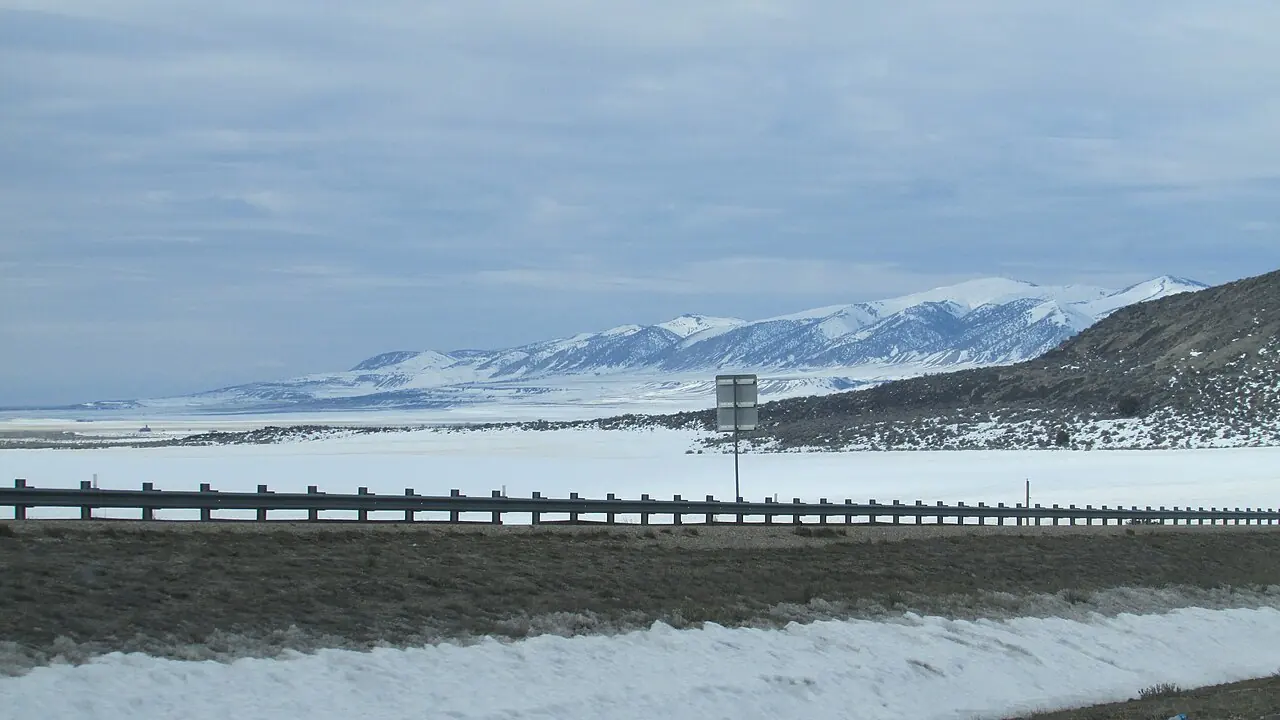
Hansel Valley and the Hansel Mountains from Interstate 84 near milepost 17, Box Elder County, March 5, 2019. File photo under CC BY-SA 4.0. Photo: Chris Light · CC BY-SA 4.0 · Wikimedia Commons
On this topic: Two Utah software developers are building artificial intelligence tools to help police review digital evidence while reducing exposure to traumatic material, KSL.com reported. Chase Cutler and Mike Hawker, who are raising families in Lehi and Herriman, founded ShieldView. Full meeting story →
On this topic: Utah lawmakers, state officials and technology experts met Thursday at a Regulatory Reform Summit on artificial intelligence at Utah Valley University to discuss how to regulate the technology, the Deseret News reported. Rep. Full meeting story →
· From Deseret News
AI-generated illustration: The Utah Ledger · Original graphic · The Utah Ledger
A Utah House post outlines laws on electricity costs, water reporting and tax incentives, and Speaker Mike Schultz says lawmakers 'do not want a state full of data centers.'
· From Utah House of Representatives news
AI illustration: The Utah Ledger · Original graphic · The Utah Ledger
Iron County's draft would cap water use at 50,000 gallons a day for big projects, and Box Elder officials say their rules will land on the restrictive end.