Mammals
Desert cottontail
A year-round grassland rabbit that borrows prairie dog burrows to raise young.
Everything Utah, every day.
Help Utahns understand their communities and hold government accountable. Our mission →
A small rabbit of rocky and brushy country, common along the Wasatch Front.
The mountain cottontail is also called Nuttall's cottontail. The Natural History Museum of Utah says it is smaller than the hares and has shorter ears, and that it is common along the Wasatch Front. It lives in a wide range of habitats, from desert shrub up to mountain forest, often in rocky places.
It is mostly active after dark, but people often see it near dawn or dusk. It eats grasses, sagebrush, juniper and other green plants. Breeding runs from late winter into summer, with litters of four to eight, and a female can have as many as five litters in a year.
Utah has three rabbits: the pygmy rabbit, the mountain cottontail and the desert cottontail. Utah DWR says rabbits tend to use burrows, sometimes ones another animal abandoned, and their young are born naked and helpless. DWR lists the mountain cottontail as protected wildlife that can be hunted in set seasons.
Small rabbit with shorter ears than a hare, often near rocks or brush.
Watch brushy edges and rocky slopes at dawn and dusk, and keep dogs leashed so nests are not disturbed.
A year-round grassland rabbit that borrows prairie dog burrows to raise young.
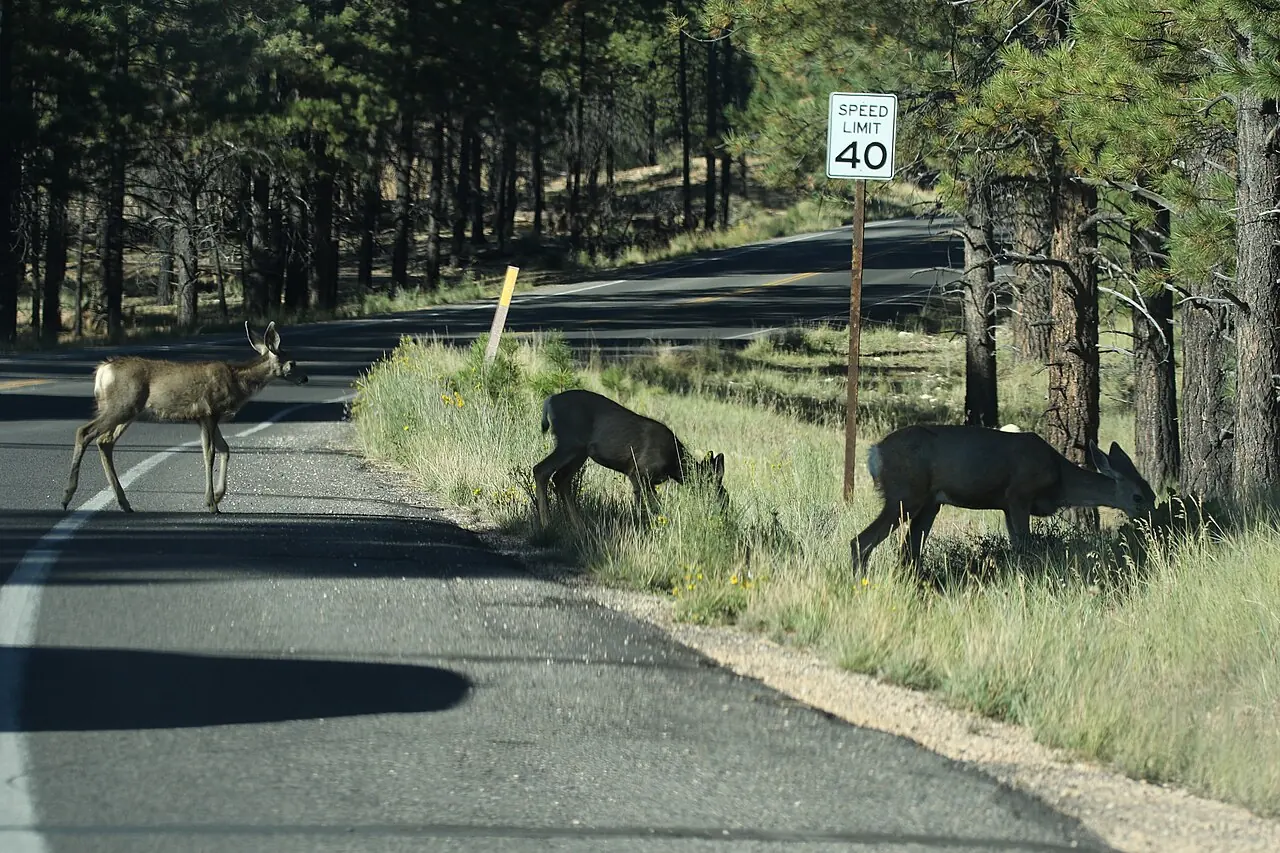
Found across Utah, from high mountains to city neighborhoods, and named for its large, mule-like ears.