Mammals
Desert cottontail
A year-round grassland rabbit that borrows prairie dog burrows to raise young.
Everything Utah, every day.
Help Utahns understand their communities and hold government accountable. Our mission →
North America's smallest rabbit, tied closely to tall, dense sagebrush.
The pygmy rabbit is the smallest rabbit in North America. The U.S. Fish and Wildlife Service says adults are 9.3 to 11.6 inches long and weigh less than a pound, with short rounded ears, small hind legs and no white on the tail. Utah DWR describes the Utah animal as slate gray with a pinkish tinge, found around tall, dense clumps of sagebrush.
Sagebrush is both food and shelter. The Service says the rabbit digs its own burrows in deep, loose soil, sometimes uses burrows left by other animals such as yellow-bellied marmots, and eats mostly sagebrush in winter before adding grasses in spring and summer. That dependence is why loss and fragmentation of sagebrush country matters to it.
Names differ between sources. The Fish and Wildlife Service uses Brachylagus idahoensis, while the American Society of Mammalogists database places the species in Sylvilagus and lists southwestern Utah in its range. The federal endangered population the Service describes is in Washington's Columbia Basin, not in Utah. DWR lists the pygmy rabbit as protected in Utah and not open to hunting.
Tiny rabbit with short ears and no white on the tail, found in tall sagebrush.
The endangered population the Fish and Wildlife Service describes is in Washington, not Utah. Utah DWR lists the species as protected.
Pygmy rabbits rarely show themselves; view sagebrush country from roads and trails and stay out of burrow areas.
A year-round grassland rabbit that borrows prairie dog burrows to raise young.
A small rabbit of rocky and brushy country, common along the Wasatch Front.
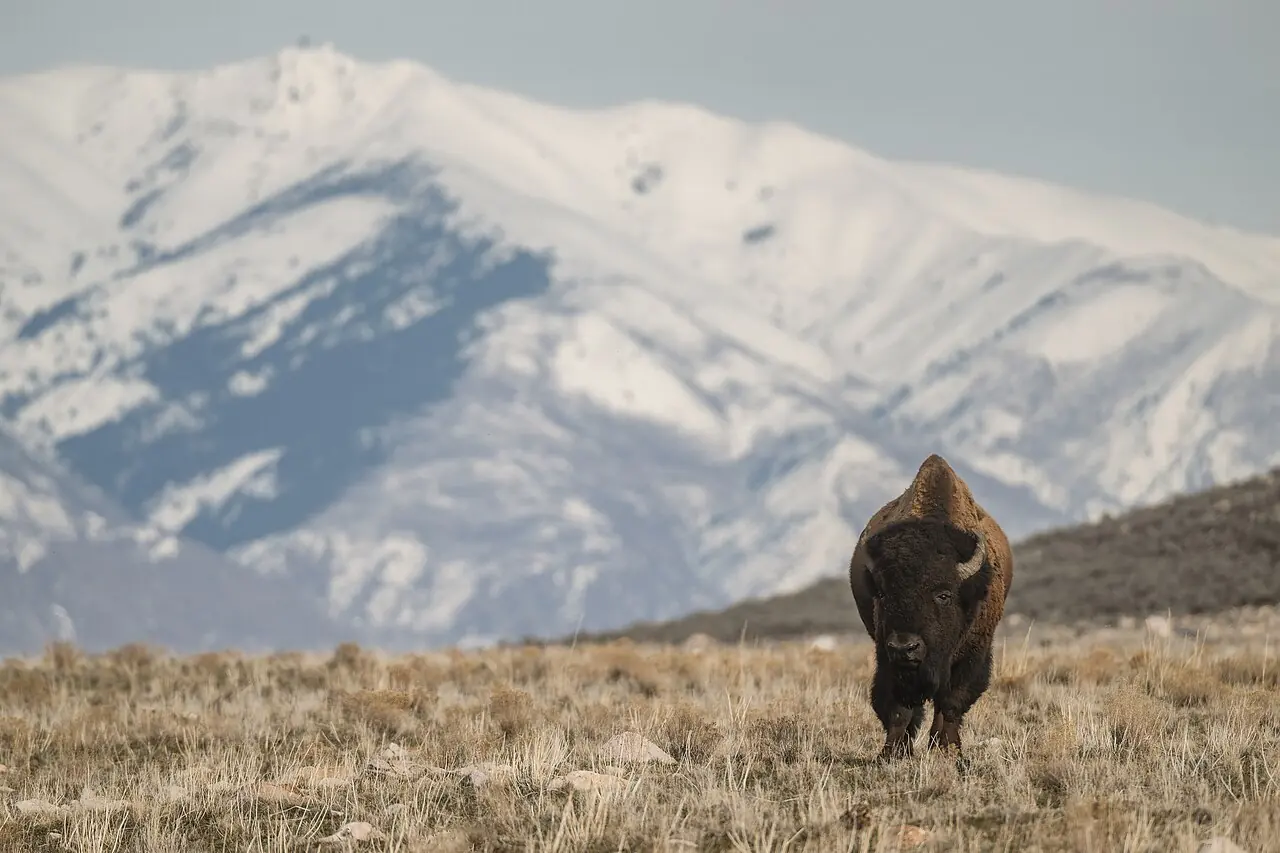
North America's largest land animal, with wild herds on Antelope Island, in the Henry Mountains and in the Book Cliffs.
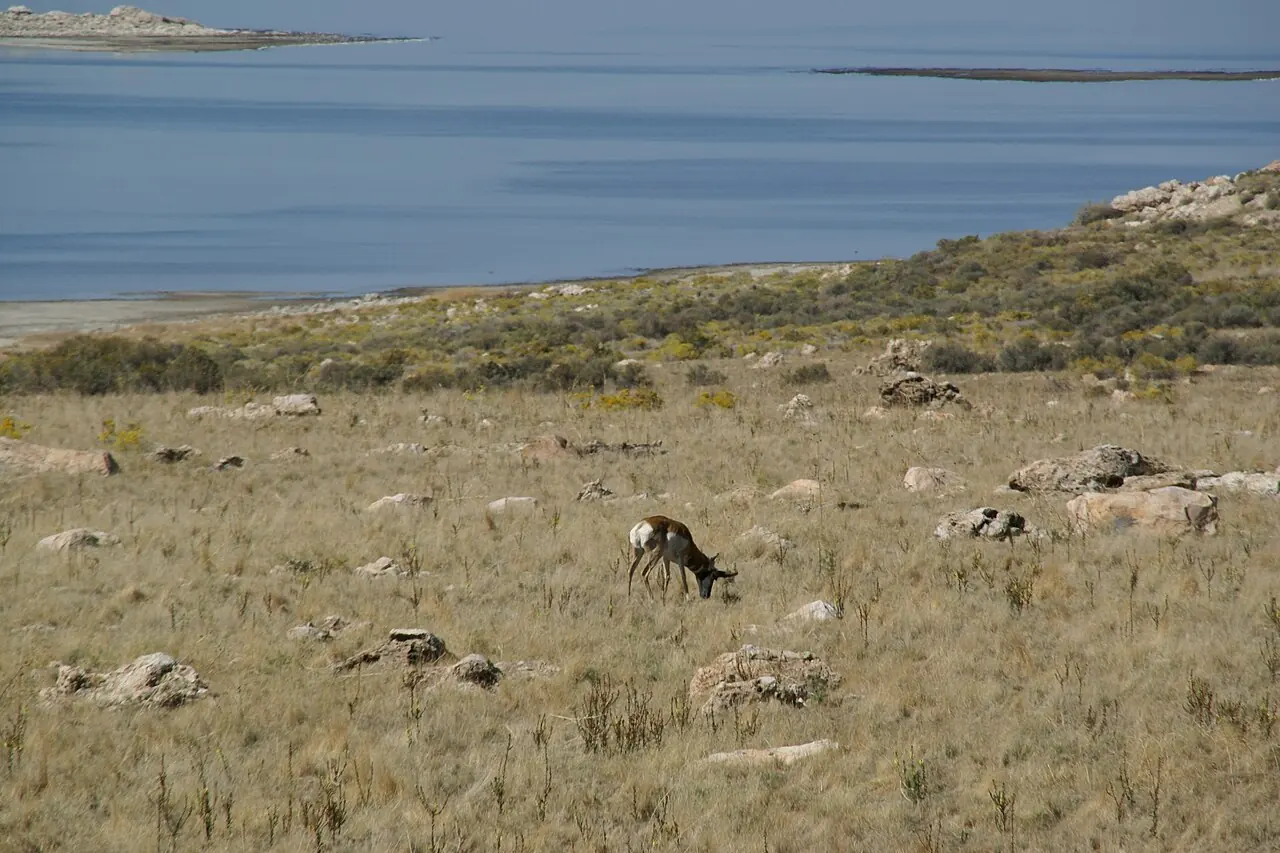
An open-country specialist with a white rump, unusual shedding horn sheaths and a need for connected habitat.