The yellow-bellied marmot, often called a rock chuck, is a large ground squirrel. NPS describes it as common at higher elevations in Utah, and it also turns up in the orchards and fields at Capitol Reef's Fruita. It eats grasses, forbs, flowers and seeds, and the loud calls early settlers heard earned it the nickname whistle pig.
Its year is built around hibernation. At Fruita, the active season runs from about mid-March through July. After a few months of feeding on lush grasses and forbs, marmots can retreat to their burrows as early as August. In summer heat they are most active in early morning and late afternoon. Those dates describe one place; marmots at higher elevations keep their own calendar, so treat them as an example and not a Utah-wide schedule.
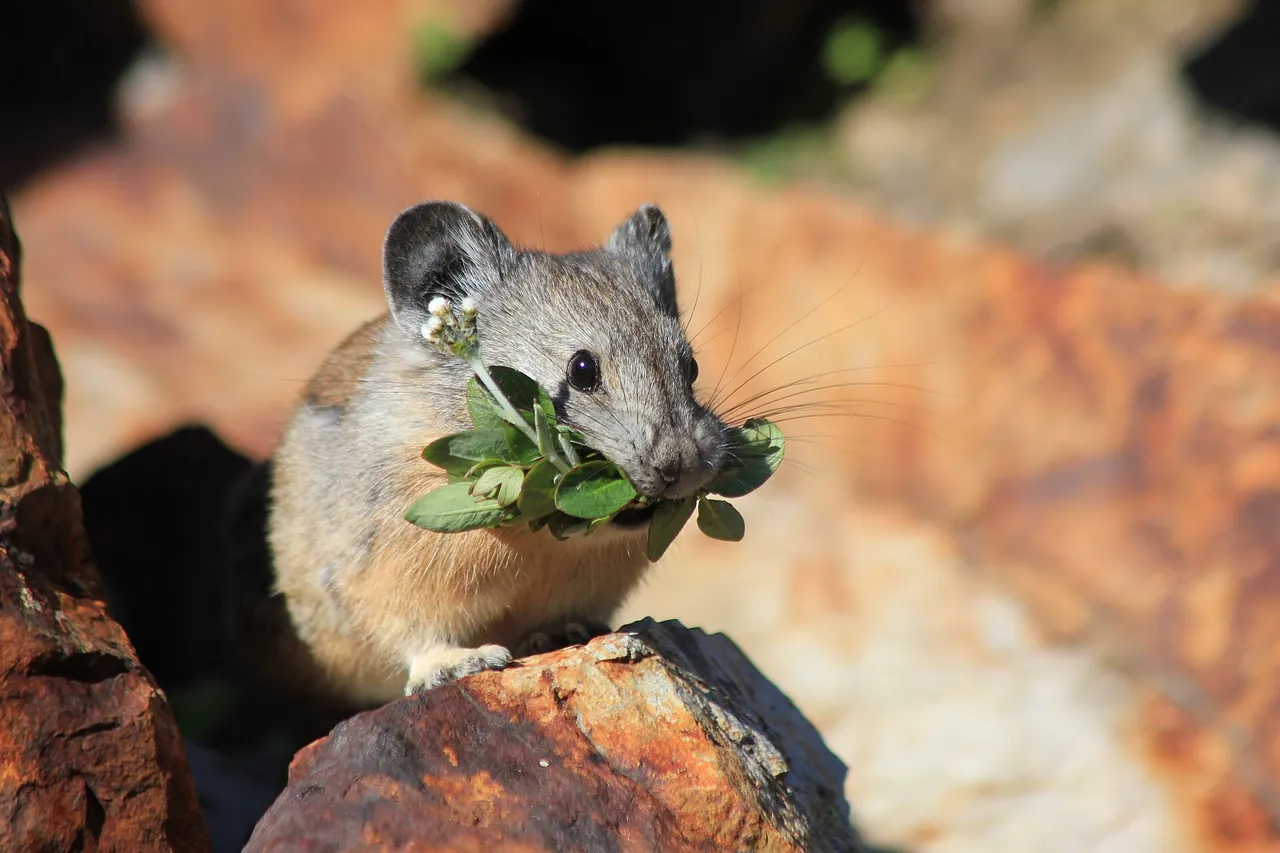
Marmots live in small family groups, though a lone animal is sometimes seen. Burrows tuck under rocks and logs, into barren hillsides and under buildings, and a marmot on a boulder will give a loud warning call when it senses a threat. Watch from a distance, never feed one, and leave burrows alone. The American pika shares rocky mountain country but is a different kind of animal, a lagomorph and not a rodent, so the two are a comparison and not relatives.
Large, heavy ground squirrel with a bushy tail, often sitting on rocks near burrows; the yellow belly gives the name.
Examples from the sources, not a complete range or a sighting guide.