Mammals
Yellow-bellied marmot
A large ground squirrel, also called a rock chuck, that spends much of the year hibernating.
Everything Utah, every day.
Help Utahns understand their communities and hold government accountable. Our mission →
A striped ground squirrel often mistaken for a chipmunk, and a good lesson in not feeding wildlife.
Prominent stripes down the sides make the golden-mantled ground squirrel look like a chipmunk. NPS gives a clear way to tell them apart: ground squirrels are much larger, and their stripes do not extend up through the eye. Chipmunks have stripes that run across the face.
It is an omnivore, and Dinosaur National Monument notes that these squirrels are frequently seen at picnic areas and campgrounds. NPS warns that when people feed them, their health deteriorates and they become aggressive beggars. Ground squirrels can carry diseases that are contagious to people and pets, and NPS notes that people have contracted bubonic plague from squirrels during feedings.
The one field mark is helpful but does not settle every squirrel in Utah, and the picnic-area behavior described here is the monument's account, not a rule for all places. Use a photograph that shows the head as well as the body when checking your sighting. Watch quietly, keep food secured and leave the squirrels to find their own meals.
Larger than a chipmunk, with side stripes that stop short of the eye.
Never feed ground squirrels; store food, and keep pets from burrows.
A large ground squirrel, also called a rock chuck, that spends much of the year hibernating.
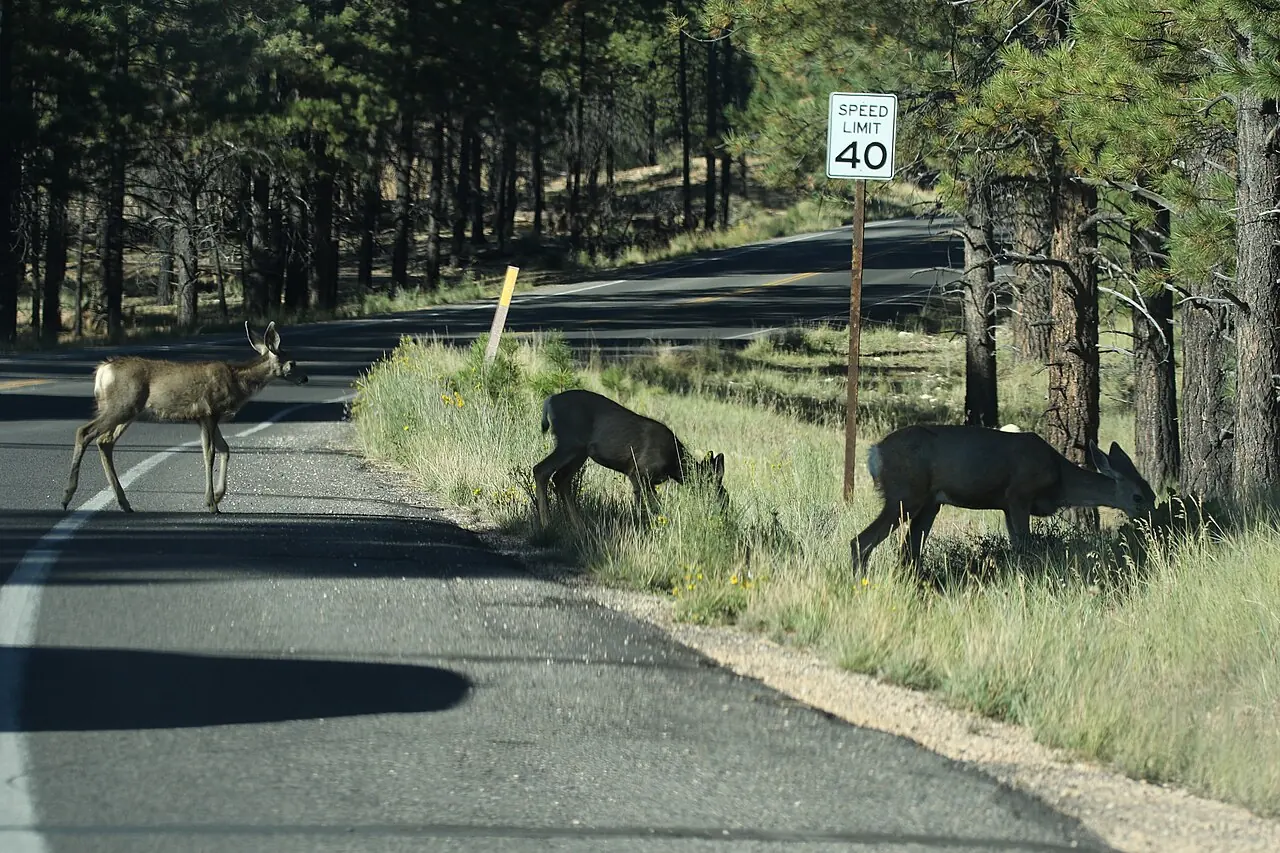
Found across Utah, from high mountains to city neighborhoods, and named for its large, mule-like ears.
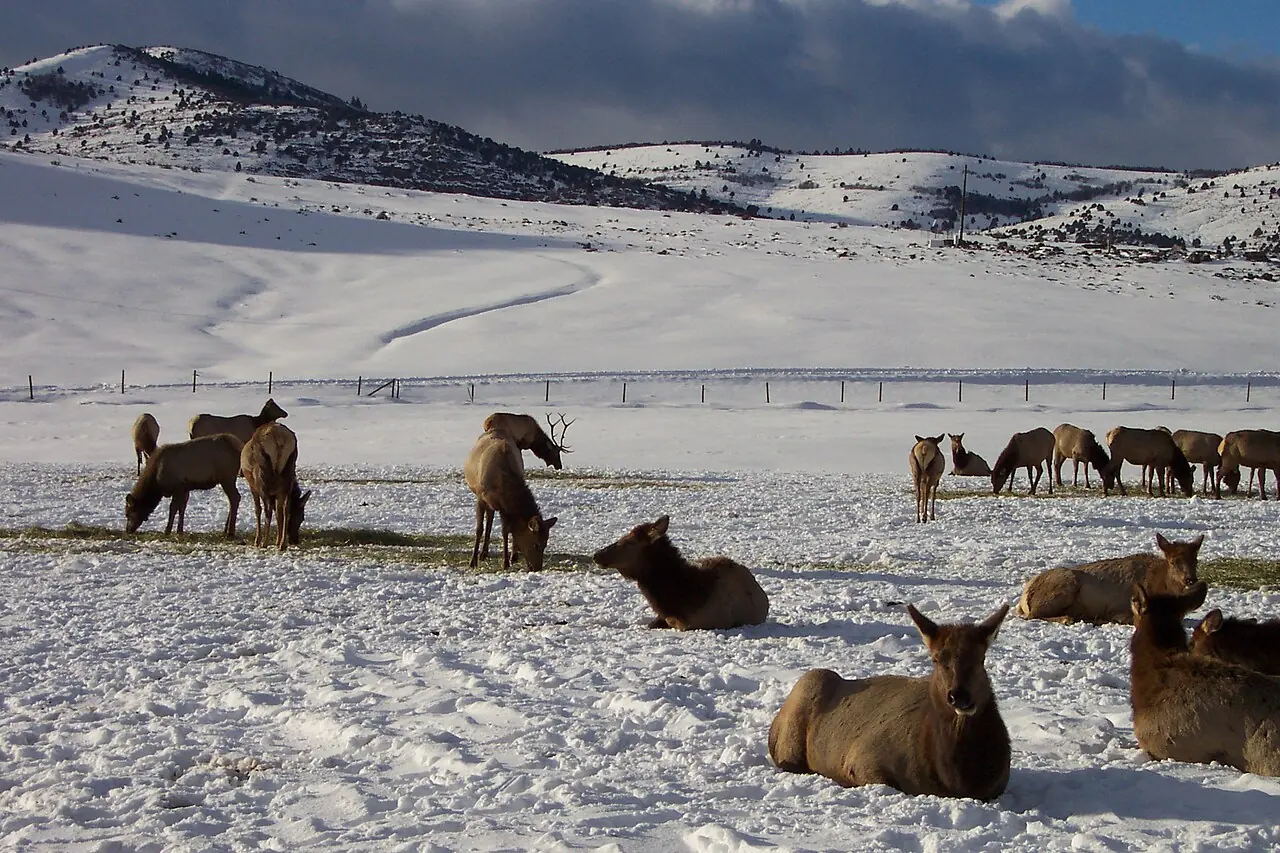
Utah's state mammal, best known for the fall bugling of bulls during the rut.
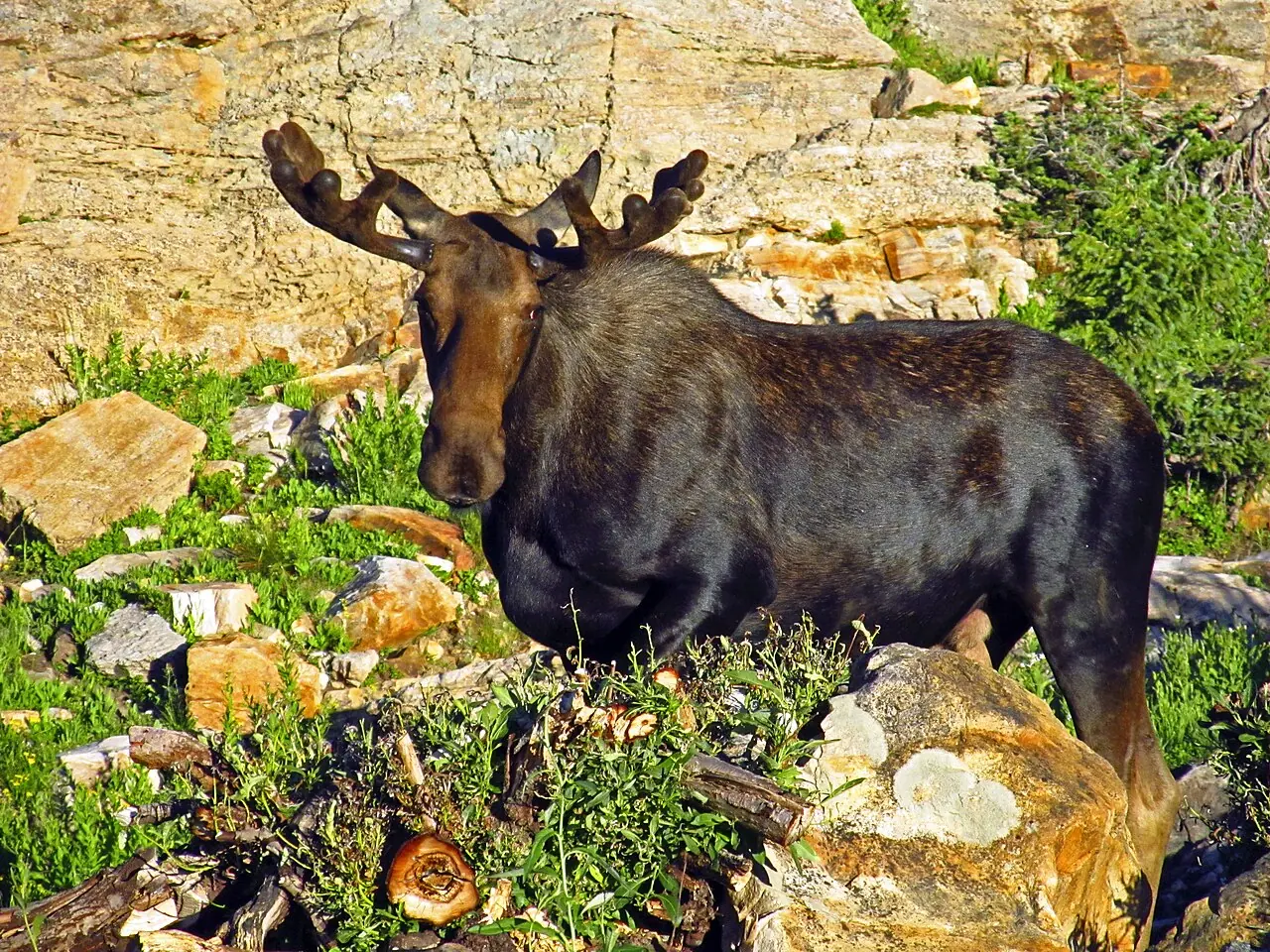
The largest member of the deer family in Utah, at home where northern mountain forest meets water.