Utah prairie dog
A Utah endemic whose short-grass colonies support a much larger community of grassland wildlife.
Everything Utah, every day.
Help Utahns understand their communities and hold government accountable. Our mission →
A colonial burrowing rodent of eastern Utah, distinct from the Utah prairie dog of the southwest.
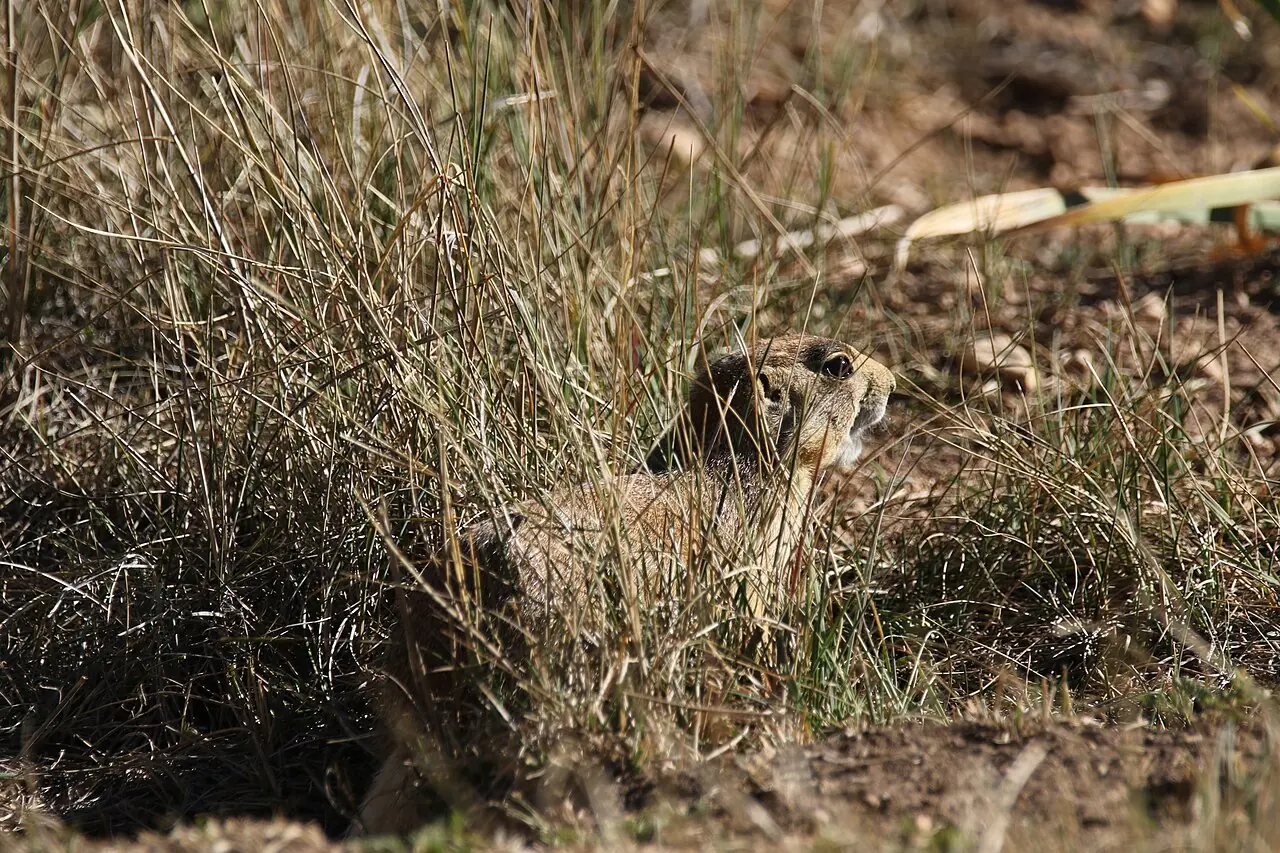
White-tailed prairie dogs live in colonies and feed on grasses, forbs and woody plants. They dig networks of burrows with their claws, which serve as homes and hiding places. Standing on their hind legs, they watch for predators and bark to warn each other. Dinosaur National Monument notes that it is one of few National Park Service sites with white-tailed rather than black-tailed prairie dogs.
Scientists consider prairie dogs a keystone species. Their eating and digging conserve water and improve soil, which lets a greater variety of healthy plants grow, and those plants feed other animals. Desert cottontails, for example, raise young in abandoned burrows. Like marmots, white-tailed prairie dogs hibernate in winter.
This is a different species from the Utah prairie dog, which is a separate profile with its own range and federal listing. Nothing about that status or its southwestern range applies here. Stay on trails, keep dogs away and do not feed or approach burrows.
Prairie dog standing upright near burrow mounds in open grassland; compare range with the Utah prairie dog.
A separate species from the federally listed Utah prairie dog; the Utah prairie dog's status does not apply to it.
Watch colonies from the road or trail; do not feed or approach burrows, and keep pets away.

A Utah endemic whose short-grass colonies support a much larger community of grassland wildlife.
A year-round grassland rabbit that borrows prairie dog burrows to raise young.

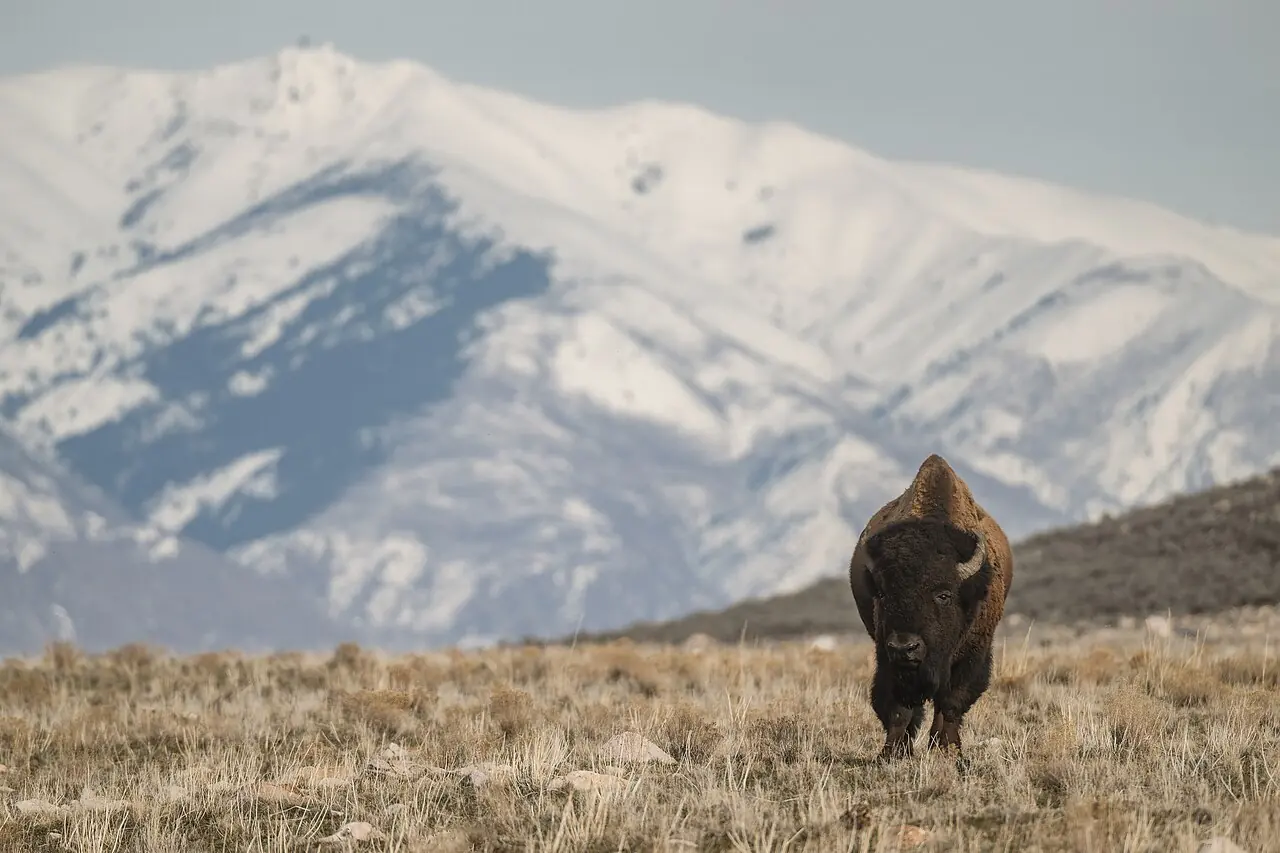
North America's largest land animal, with wild herds on Antelope Island, in the Henry Mountains and in the Book Cliffs.