Mammals
White-tailed prairie dog
A colonial burrowing rodent of eastern Utah, distinct from the Utah prairie dog of the southwest.
Everything Utah, every day.
Help Utahns understand their communities and hold government accountable. Our mission →
A low, striped digger of grassland and desert that hunts burrowing rodents.
Wild Aware Utah calls the badger a member of the weasel family and common in the grasslands and deserts of Utah. It can be recognized by long gray guard hairs, black cheek spots and a white stripe from the nose to the forehead. Short, strong legs and long front claws are tools for digging.
Its main prey are burrowing rodents such as ground squirrels and prairie dogs, though it will eat insects, birds, eggs, reptiles and some vegetation. High concentrations of ground squirrels can draw badgers to unlikely places, including urban areas, parks and roadsides. Badgers are usually active at night but can be seen at dawn and dusk, and they live alone except in the summer breeding season.
A cornered badger can hiss, growl or snarl and is more defensive in spring when young are in a burrow. Leave it an open escape route and keep children and pets away from burrows. A fresh hole is not enough to say who dug it, and an occupied burrow is a poor thing to investigate.
Low, broad body, striped face and conspicuous front claws.
Give it room and an escape route; keep children and pets away from burrows.
A colonial burrowing rodent of eastern Utah, distinct from the Utah prairie dog of the southwest.
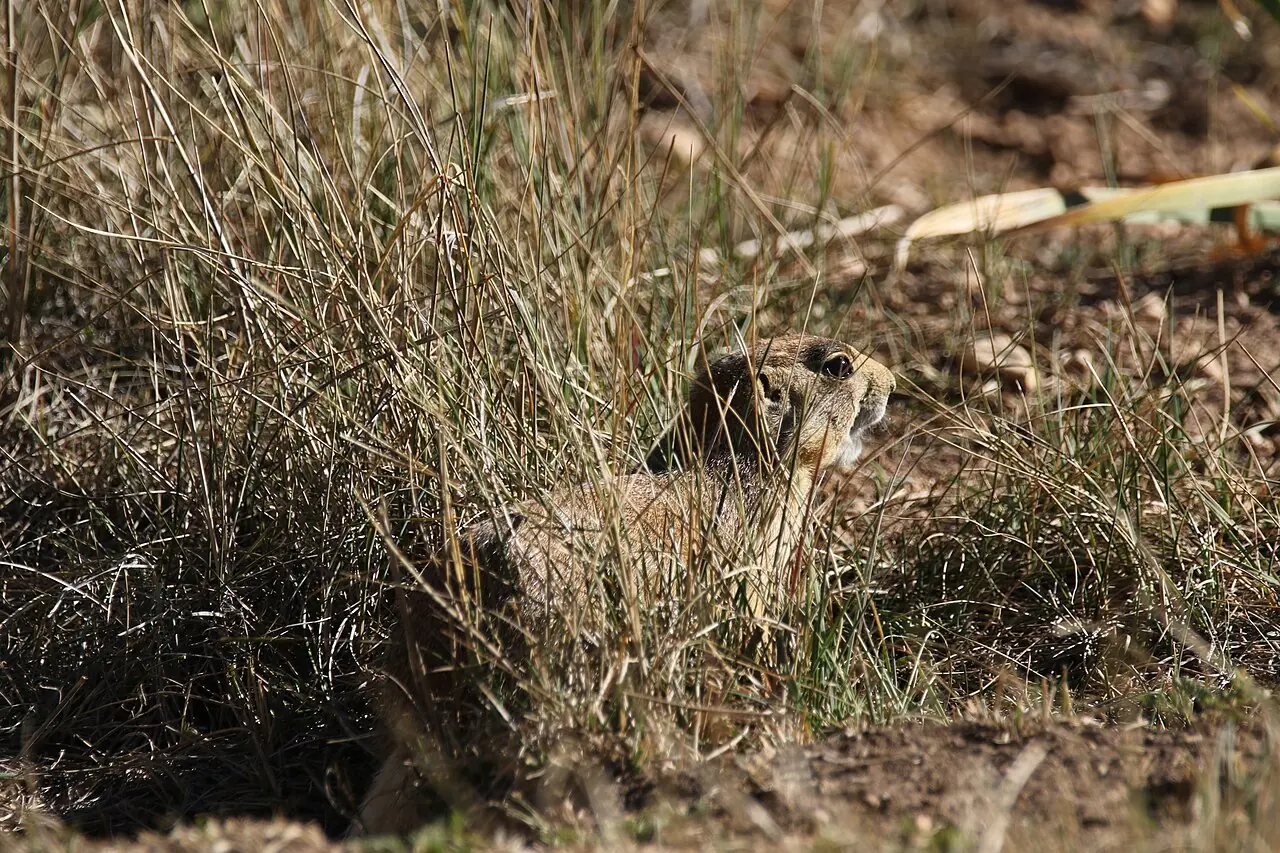
A Utah endemic whose short-grass colonies support a much larger community of grassland wildlife.
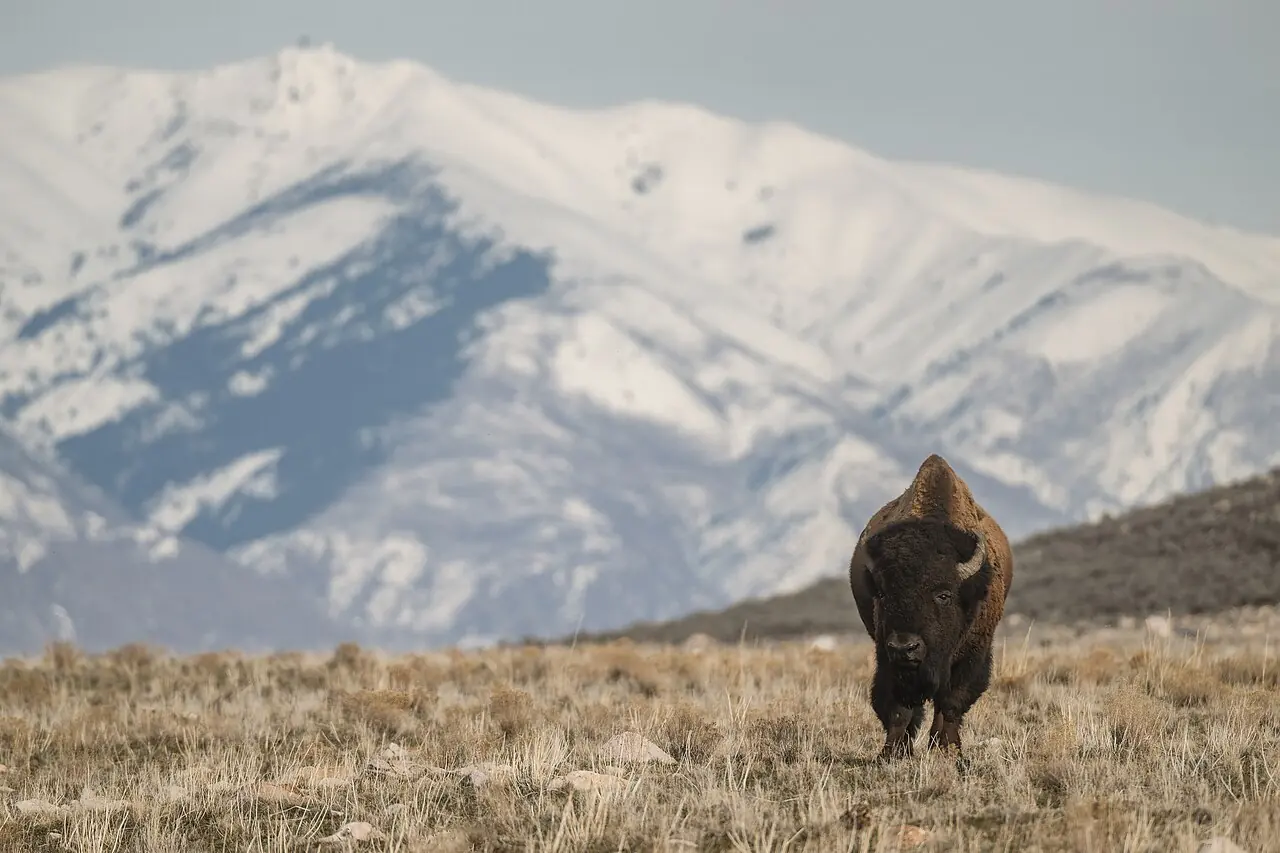
North America's largest land animal, with wild herds on Antelope Island, in the Henry Mountains and in the Book Cliffs.
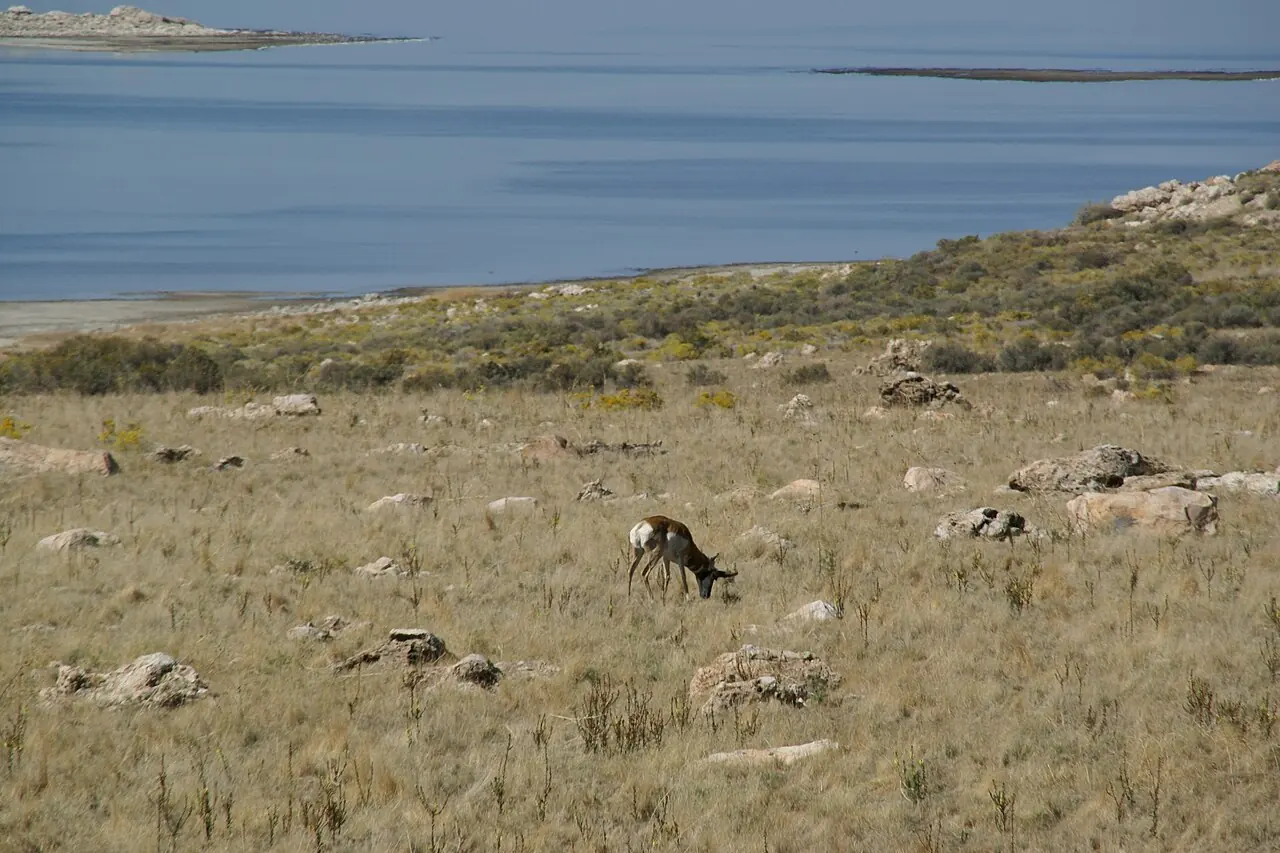
An open-country specialist with a white rump, unusual shedding horn sheaths and a need for connected habitat.