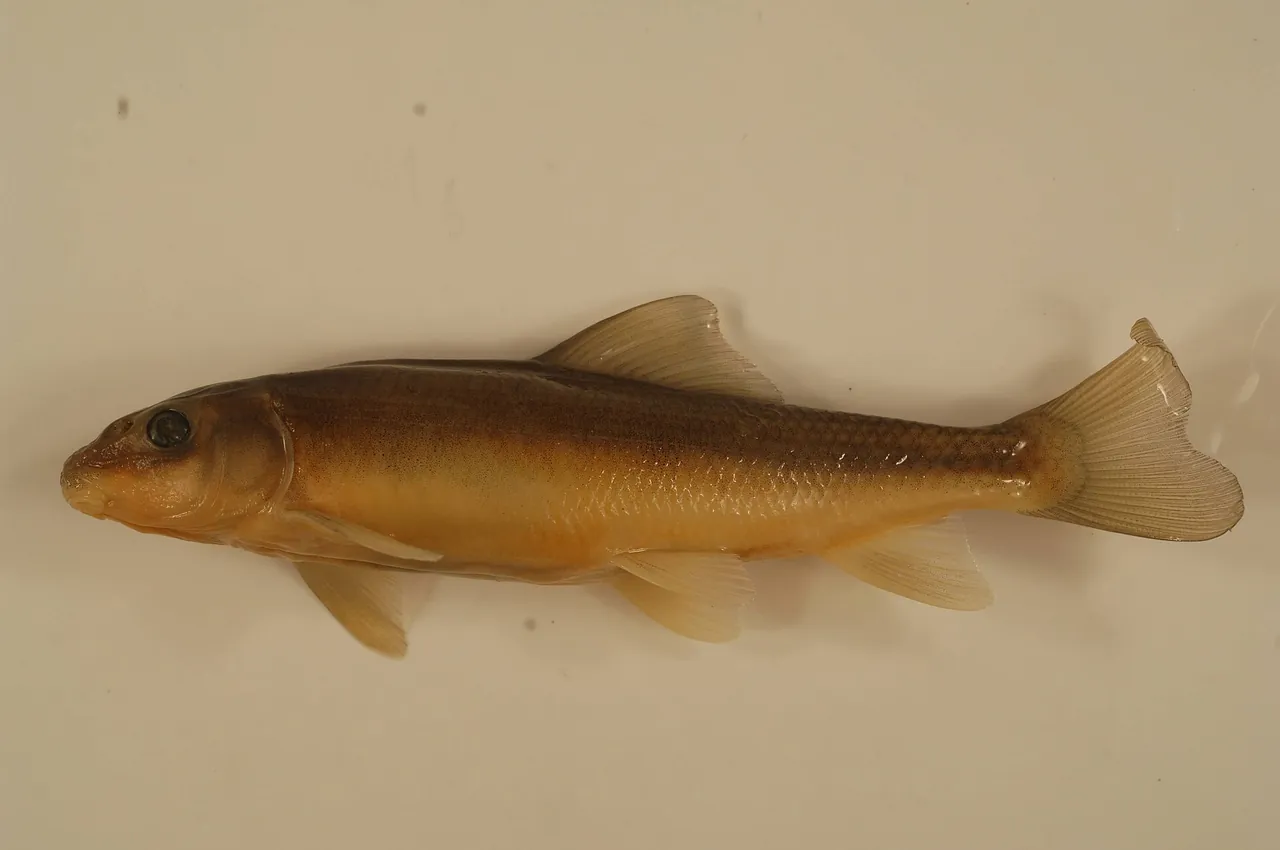
June sucker
A Utah Lake native whose recovery depends on both adult spawning access and safe nursery habitat for young fish.
Everything Utah, every day.
Help Utahns understand their communities and hold government accountable. Our mission →
One of four fish found nowhere else in the world, all in Bear Lake.
Bear Lake is home to four fish species found nowhere else in the world: the Bonneville whitefish, the Bear Lake whitefish, the Bonneville cisco and the Bear Lake sculpin, according to Utah DWR. The agency defines endemic as native to a specific geographic area and not found anywhere else worldwide. DWR calls all four crucial to the lake's ecosystem and its appeal to serious anglers.
The cisco's life cycle is part of the winter story. DWR describes its spawning season ending in late January, and whitefish feed on cisco eggs around then, in deeper water near weed beds or rock piles. That is a detail from an angler-oriented DWR article, not a rule or a fishing tip, and the same article's catch limits should not be taken as current.
Endemic describes where a species lives. It does not mean threatened, and it is not a federal or state listing. Check the agency's own records, with their dates, for any status. For fishing rules on Bear Lake, use the current DWR regulations instead of any species page.
Identification needs an agency guide or expert; DWR illustrates the Bear Lake fishes.
Endemic to Bear Lake, which describes range, not legal status; use dated agency records for status.
Check current Utah fishing regulations before fishing; regulations change.

A Utah Lake native whose recovery depends on both adult spawning access and safe nursery habitat for young fish.
A small native fish of the Bonneville Basin whose story shows why springs and wetlands matter.

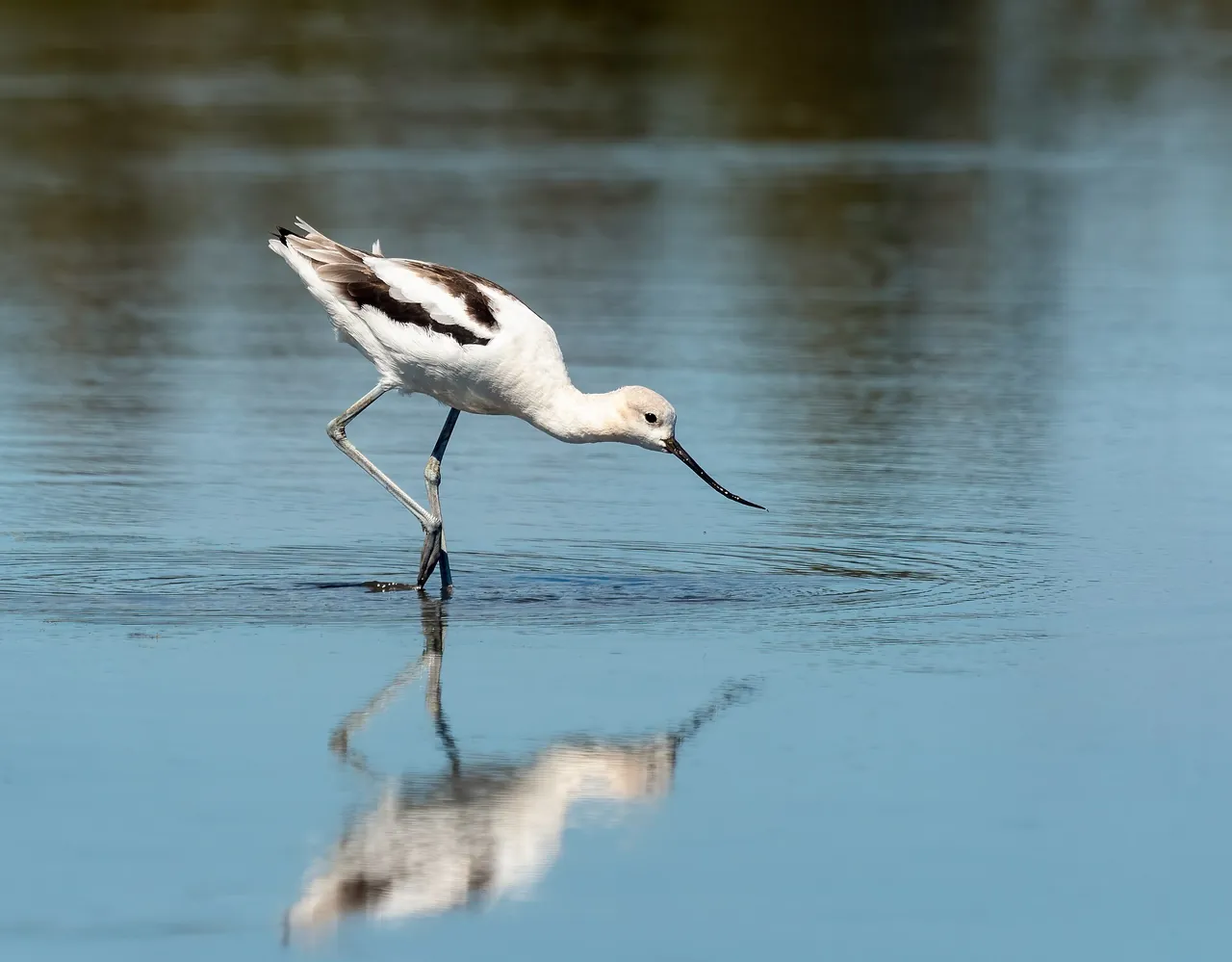
An upturned bill, blue-gray legs and a sweeping feeding motion make this wetland shorebird especially distinctive.

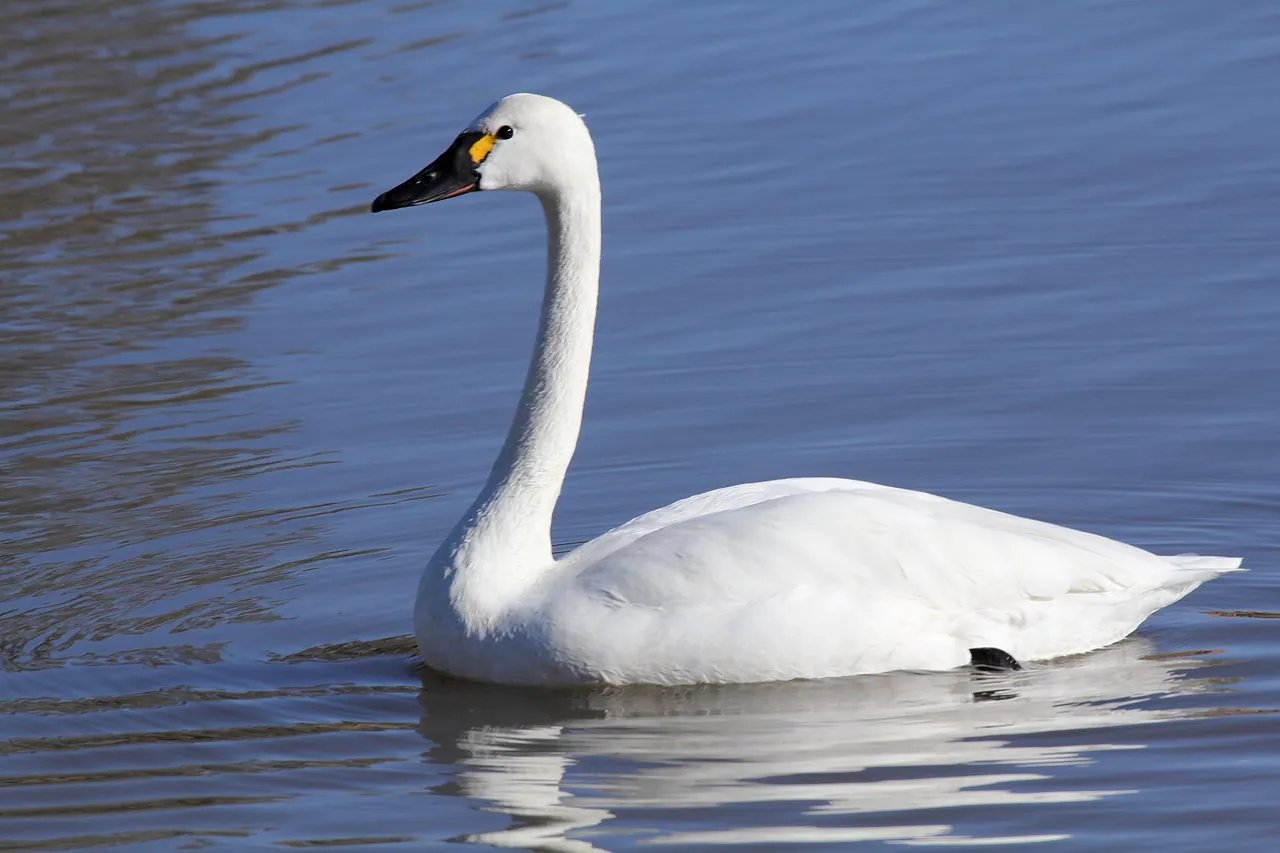
A large white migrant whose family groups link Utah's wetlands with Arctic nesting country.