Least chub
A small native fish of the Bonneville Basin whose story shows why springs and wetlands matter.
The least chub is a small fish native to the Bonneville Basin in western Utah, where it lives in springs and wetlands rather than in big rivers. Its history is useful because it shows that a species can depend on small, scattered pieces of water.
The federal record is a matter of dates. In 1998 federal, state, tribal and local water agencies developed a candidate conservation agreement for the fish, according to the U.S. Fish and Wildlife Service. On August 26, 2014, the Service published a revised 12-month finding that listing the least chub was not warranted at that time, removed it from the candidate list, and asked for any new information on threats.
That finding is a snapshot. It does not describe present populations, and earlier proposals or candidate status are not current listing. Check USFWS and Utah DWR for the species' latest status. Visitors are unlikely to meet this fish casually; please leave spring and wetland habitats undisturbed, and do not move fish between waters.
How to recognize it
Small native minnow of spring and wetland waters; not a roadside sighting.
Conservation
The U.S. Fish and Wildlife Service found in August 2014 that listing was not warranted; check for later action.
Watching and staying safe
Leave springs and wetlands undisturbed; never move fish between waters.
Related profiles
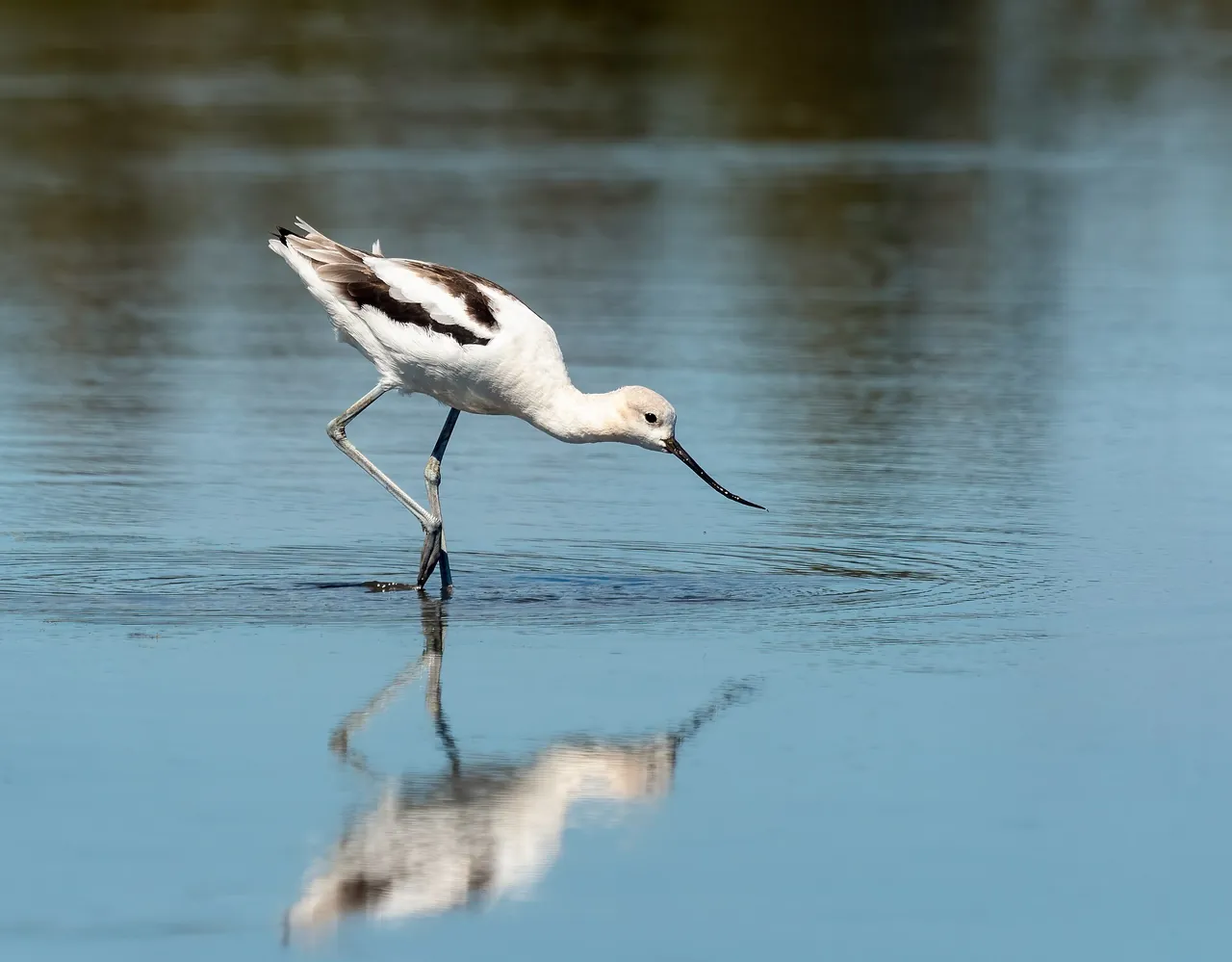
American avocet
An upturned bill, blue-gray legs and a sweeping feeding motion make this wetland shorebird especially distinctive.
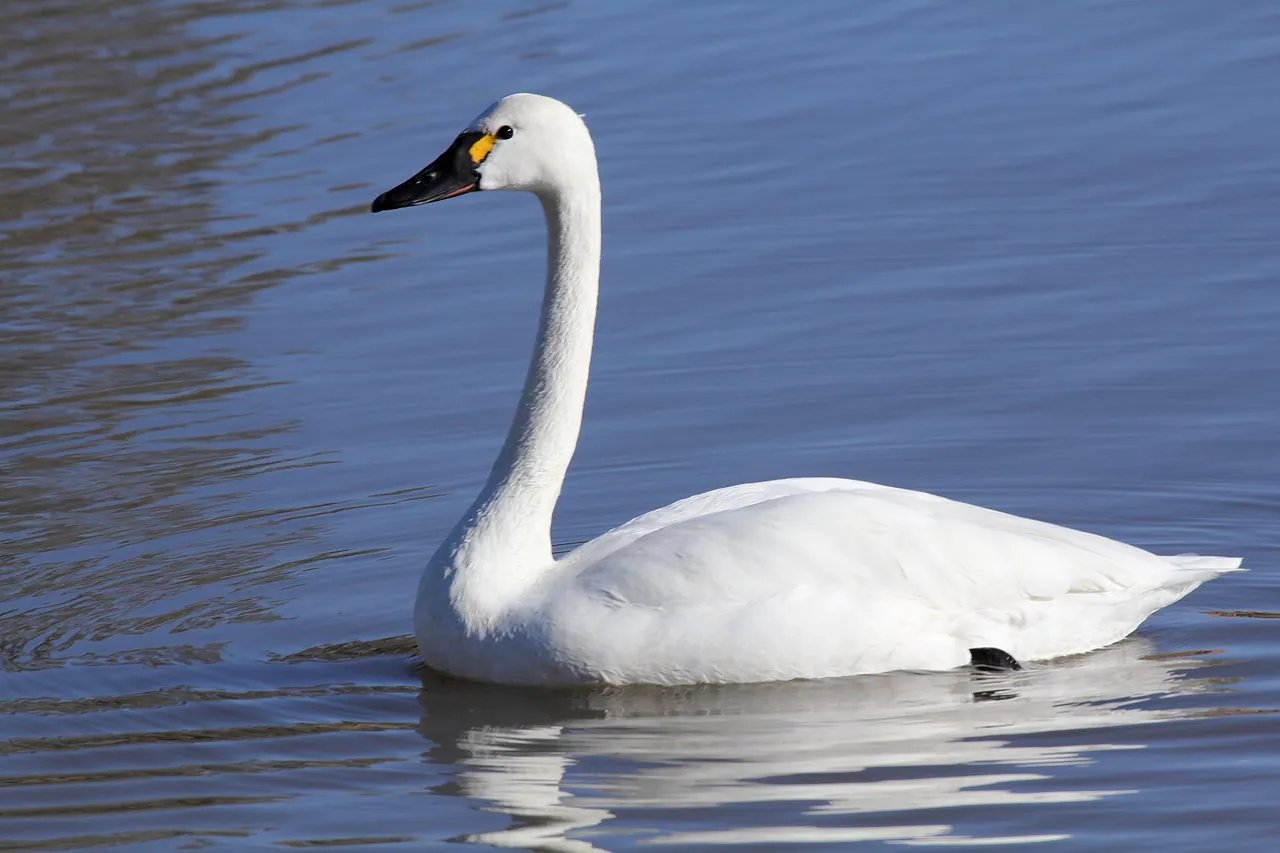
Tundra swan
A large white migrant whose family groups link Utah's wetlands with Arctic nesting country.
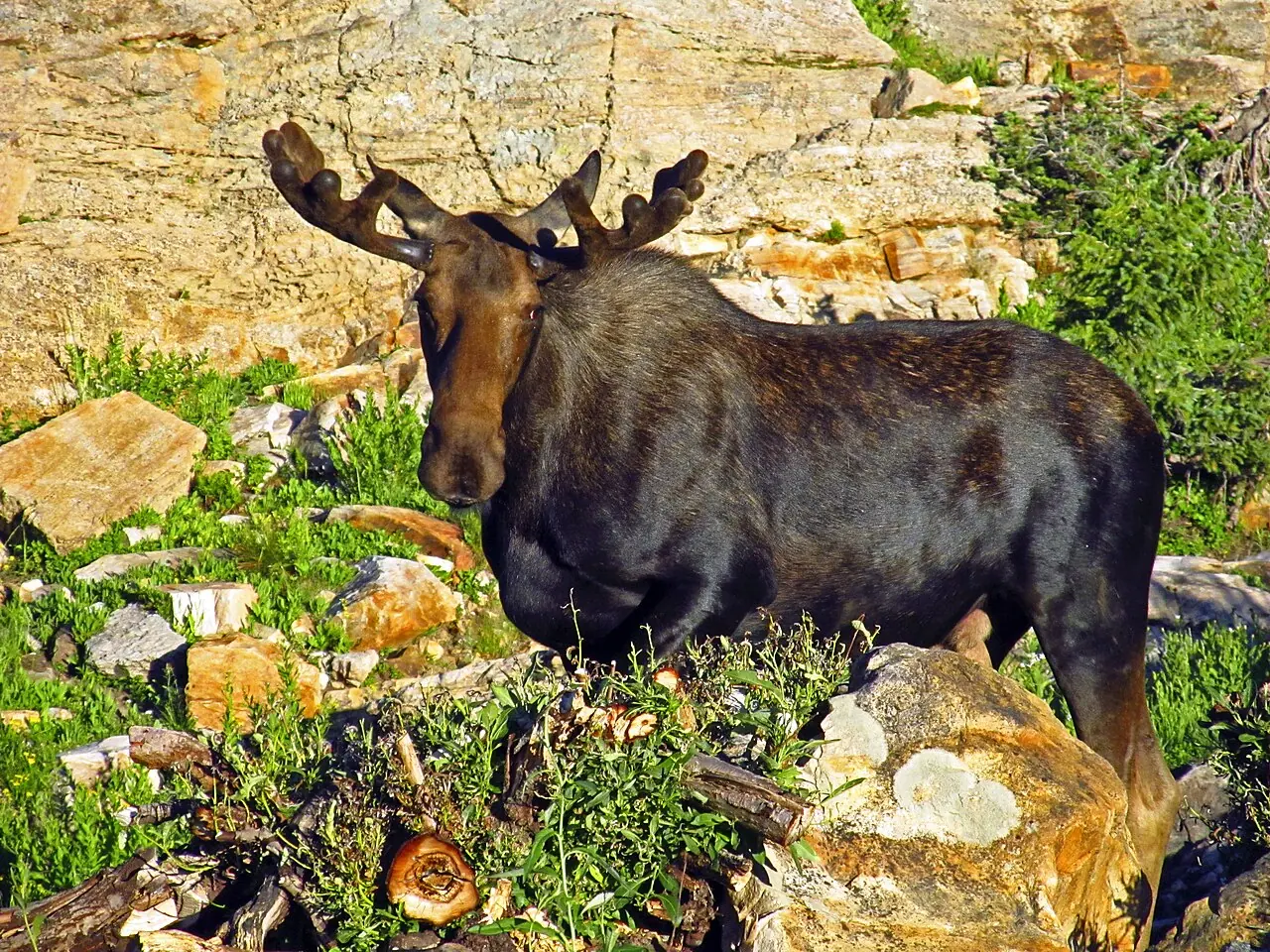
Moose
The largest member of the deer family in Utah, at home where northern mountain forest meets water.