Utah audit finds no clear link between impact fees and home prices
Auditors found no statistical tie between fees and sale prices, but more than half of nine local governments reviewed in depth misspent fees or broke state rules.
Based on reporting by Office of the Legislative Auditor General. Read the original story →
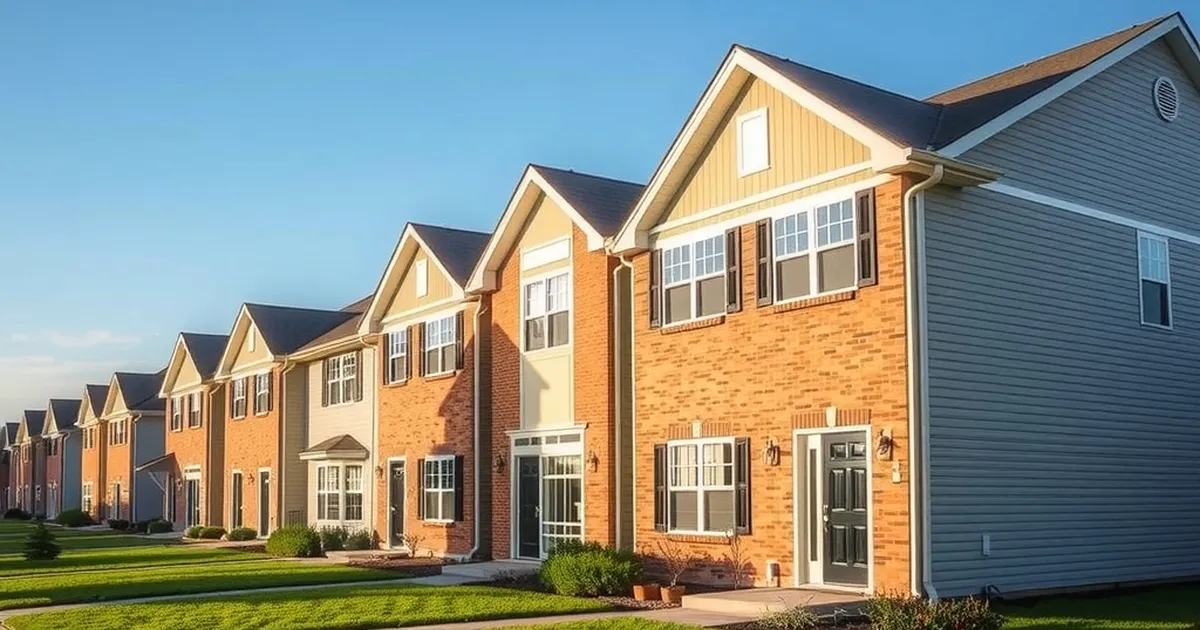
A state legislative audit found no statistical relationship between the impact fees Utah cities charge on new homes and the price those homes sell for. Working with the Kem C. Gardner Policy Institute, auditors looked at nearly 10,000 home sales in 16 cities over three years. "There's no statistical relationship between the impact fees and the final sales price of the home," said audit manager Leah Blevins. [1][2]
Impact fees are one-time charges cities, counties and special districts collect from developers to pay for roads, water and other infrastructure that growth requires. They vary widely. For a 2,000-square-foot home, fees total about $11,000 in Kaysville and about $35,000 in Grantsville. Blevins said the gap reflects different local needs and does not by itself mean a city is overcharging. [2]
The audit found problems with how fees are run. Of nine jurisdictions reviewed in depth, more than half spent fee money incorrectly or otherwise did not follow state law, which auditors said could lead to costly lawsuits. About half of 41 fee studies had not been updated in five years. Neighboring states require updates every three to five years, auditors noted. The report does not name the jurisdictions. [1][2]
Auditors recommend that lawmakers consider changes to the impact fee law, set a regular update cycle for fee plans, and have the State Auditor's office report more detail on how fee money is collected and spent. They also call for posting fee plans online. Chris Gamvroulas, president of Ivory Development, said high fees can still affect prices over time, for example by making builders cut features. House Speaker Mike Schultz, R-Hooper, said relying on lawsuits to hold local governments accountable deserves a closer look. [1][2]
Sources
- Office of the Legislative Auditor General: Report 2026-33, Utah Impact Fees (PDF), Oct. 20, 2026 pf.utleg.gov
- The Salt Lake Tribune: Utah impact fees: Audit finds compliance issues, no significant link to home prices, Oct. 27, 2026 sltrib.com
This story was written by AI from the report by Office of the Legislative Auditor General, which has the full story. How we write stories.