Ephraim council reviews apartment density cap and parking rules, OKs impact fee study
At its Oct. 7 meeting Ephraim's council discussed capping apartments at 15 units per acre, a 60 percent townhome limit and an EV charger, and approved a $129,500 impact fee study and new short-term rental license fees.
Based on reporting by Ephraim City. Read the original story →
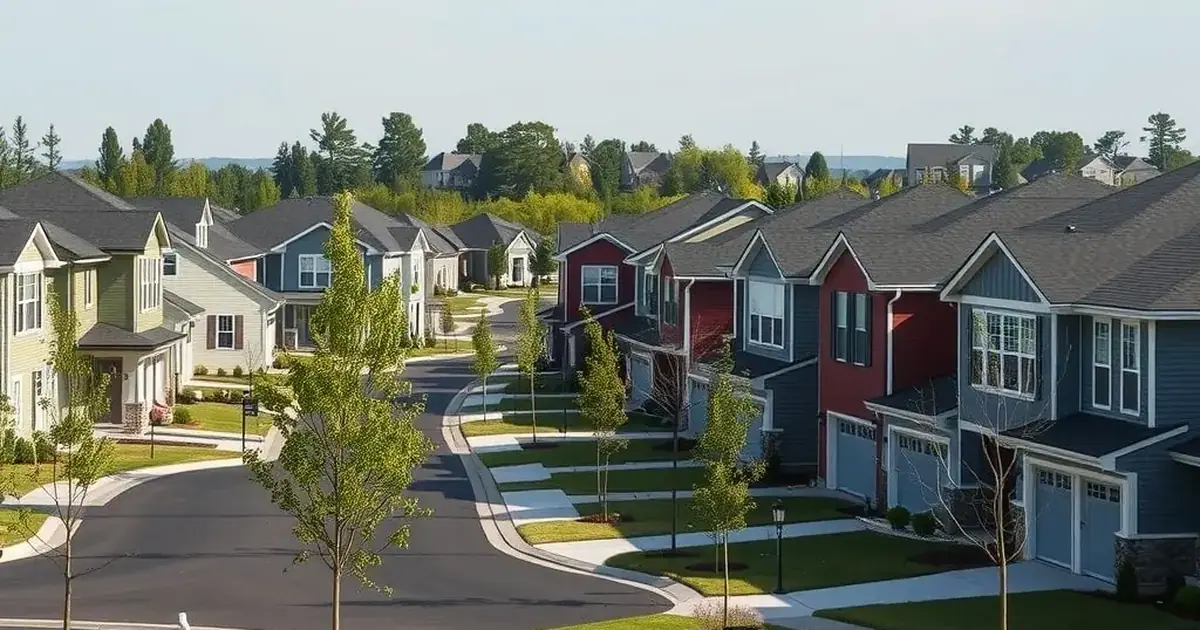
The Ephraim City Council reviewed a package of proposed changes to residential density, building height and parking in the study agenda of its Oct. 7 meeting, including limiting apartment developments to 15 units per acre, according to the approved meeting minutes [1].
The minutes say the proposals came from Planning Commission discussions, community survey feedback and a focus group of local developers. They would reduce maximum building heights in certain residential areas, establish a three-story maximum in college overlay and mixed-use areas, and eliminate the existing parking reduction for developments with bicycle racks, while still encouraging bike parking. Guest parking for townhome developments using tandem parking would rise from two spaces per five units to three, required boat and recreational vehicle parking would be replaced by guest parking, and the 25 percent parking reduction for mixed-use developments would be eliminated. Staff will fold the council's direction into proposed ordinance amendments for further review [1].
The council also discussed housing variety rules for multifamily developments over two acres, which would limit townhomes to 60 percent of a development, with the rest other housing types, plus buffering and transitions next to single-family neighborhoods. It reviewed amendments to the R-1B residential zone, which allows flex homes on lots of at least 3,000 square feet. The amendments include restricting internal accessory dwelling units on small lots and increasing the front setback to 20 feet. The council also discussed a possible R-1C zone with a minimum lot size of about 6,500 square feet [1].
Power Director Cory Daniels presented an analysis of a 120-kilowatt DC fast charging station. He said the charger would have minimal effect on the city's electrical system, and the analysis estimated charging times of about 28 to 40 minutes. The analysis assumed a rate of $0.35 per kilowatt-hour with a margin of about $0.22 per kilowatt-hour before other costs, and estimated costs of about $80,000 for the charger and an $8,000 one-time subscription fee, plus maintenance and transformer costs. Federal NEVI grant funding would require a larger installation with four ports and a traffic study and would not be available until 2027. Staff will keep evaluating both options [1].
In action items, the council approved Resolution ECR 26-20, a $129,500 contract with Sunrise Engineering to update the city's impact fee capital facilities plan and impact fee analysis, paid from existing impact fee revenues for wastewater, culinary water and streets [1][2]. It also adopted Ordinance ECO 26-12, raising the bulk water meter deposit to $1,750 to reflect replacement costs and adding short-term rental business license fees. The minutes record each motion as carrying 3-0, though they list five council members and do not legibly show who was present [1].
In reports, Glade Nielson of Sunrise Engineering said the challenging creek crossing on the Canyon water line project was complete, with the pipeline about six feet below the creek's flow line, and the project is expected to finish within two to three weeks. City Manager Katie Witt said Sen. John Curtis planned to visit the following Wednesday to discuss federal funding that has passed the U.S. House [1].
Sources
- Ephraim City Council approved minutes, Oct. 7, 2026 (PDF) utah.gov
- Ephraim City Council packet, Oct. 7, 2026 (PDF) utah.gov
This story was written by AI from the report by Ephraim City, which has the full story. How we write stories.