
Brine shrimp and brine flies
Tiny crustaceans and insects carry energy from Great Salt Lake's microscopic producers to its birds.
Everything Utah, every day.
Help Utahns understand their communities and hold government accountable. Our mission →
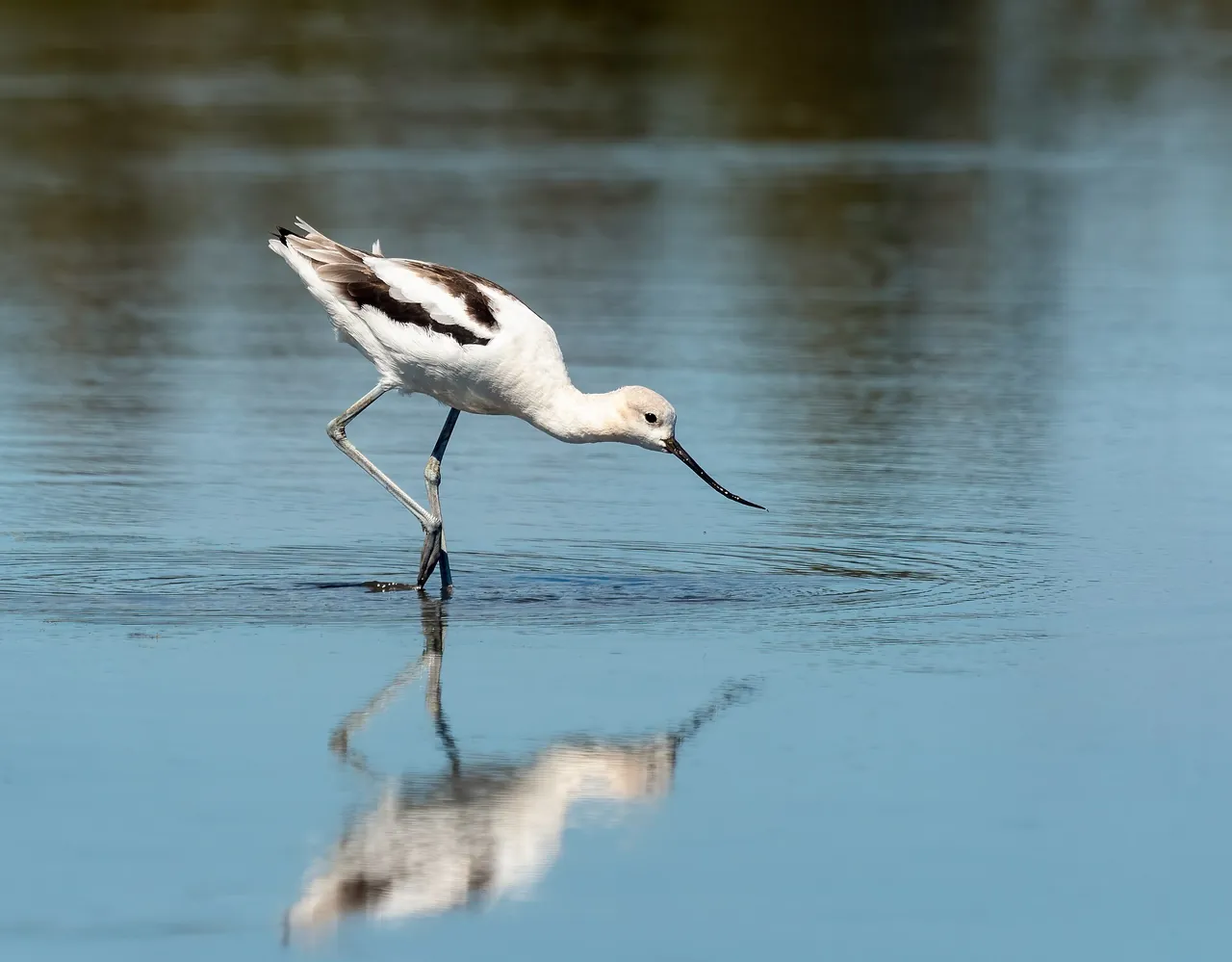
A small shorebird that feeds by spinning on the water, and one of the reasons Great Salt Lake matters to a hemisphere of migrants.
Wilson's phalaropes feed in a way most shorebirds do not. A bird swims in tight circles, and the whirlpool lifts small invertebrates toward the surface, where it picks them out. At saline lakes like Great Salt Lake, flocks gather in the productive water to feed and build energy for the long flight to South America.
The sexes reverse the usual roles. The female is larger and more brightly colored, courts males and may mate with several in a season; the male incubates the eggs and raises the young. Females are often the first to reach saline lakes after laying, with males following weeks later, so the same lake can hold birds in different stages of the same annual cycle.
Plumage changes with the season, and a drab fall bird can look nothing like a spring photograph. Compare structure and behavior, such as the needle bill and the spinning, with a field guide. Phalaropes feed in open water or at the edge of it, so a spotting scope from a public shoreline or viewing area is the right tool; flushing a flock costs birds energy that they are saving for migration.
Slender needle bill; breeding females show a dark stripe through the eye and down the neck, while fall birds are plain gray and white.
Bear River refuge lists it as a priority species; the lake's role as a stopover is the conservation story.
Watch from public shorelines and viewing areas with a scope, and do not push flocks off the water.

Tiny crustaceans and insects carry energy from Great Salt Lake's microscopic producers to its birds.
A dark, long-billed wetland bird that probes marsh edges and flooded fields, and wears a white border on its face only when breeding.

An upturned bill, blue-gray legs and a sweeping feeding motion make this wetland shorebird especially distinctive.

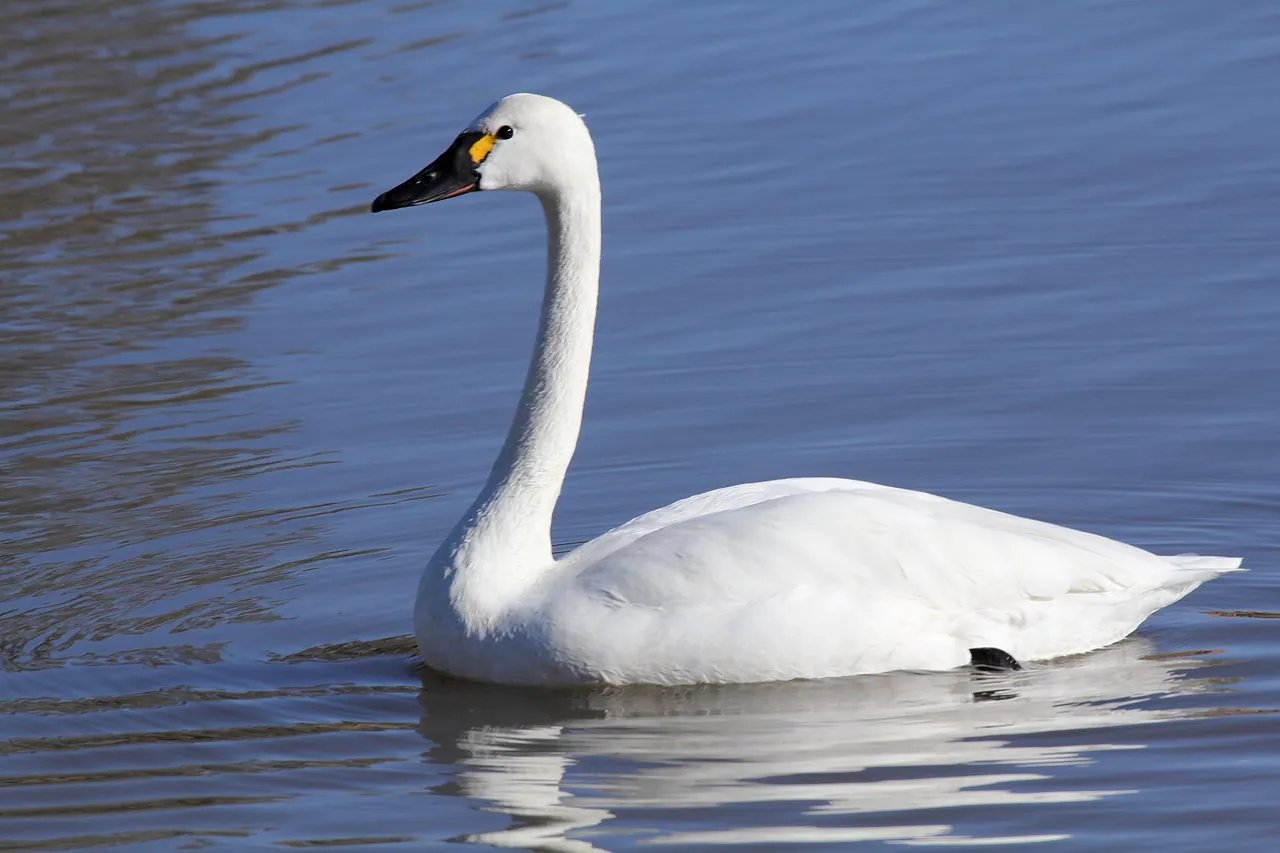
A large white migrant whose family groups link Utah's wetlands with Arctic nesting country.