Birds
Wilson's phalarope
A small shorebird that feeds by spinning on the water, and one of the reasons Great Salt Lake matters to a hemisphere of migrants.
Everything Utah, every day.
Help Utahns understand their communities and hold government accountable. Our mission →
A dark, long-billed wetland bird that probes marsh edges and flooded fields, and wears a white border on its face only when breeding.
From a distance a white-faced ibis looks plain dark, but good light brings out bronze and green in the feathers. The long bill curves downward, and the bird uses it to probe mud and damp ground. Breeding adults have bare facial skin outlined by a thin band of white feathers, which is the source of the name. Outside the breeding season that border is gone, so the name is a poor shortcut for a bird seen in autumn.
Bear River Migratory Bird Refuge lists the white-faced ibis among its priority species. The bird belongs to freshwater marshes with dense cattail and bulrush, and it also feeds in flooded hay meadows and fields, where it takes insects, leeches, snails, crayfish and earthworms. That feeding style makes it a good bird for learning that a wetland reaches beyond open water: the wet pasture beside a marsh can matter as much as the marsh itself.
Glossy ibis is the lookalike. Where the two overlap, adult glossy ibis lack the clear white border and have dark eyes, and young birds of both species are close to identical, so careful birders often leave a juvenile unnamed. A scope from a public road or viewing area does more than a close approach, and nesting colonies in marsh vegetation should be left alone.
Dark body with a bronze-green sheen, long down-curved bill; breeding adults show a white border around bare facial skin and a red eye.
Named a priority species at Bear River refuge; its marsh and wet-field feeding habitat depends on managed water.
Scan wet fields and marsh edges from established viewing areas with a scope; stay out of closed marsh and nesting areas.
A small shorebird that feeds by spinning on the water, and one of the reasons Great Salt Lake matters to a hemisphere of migrants.
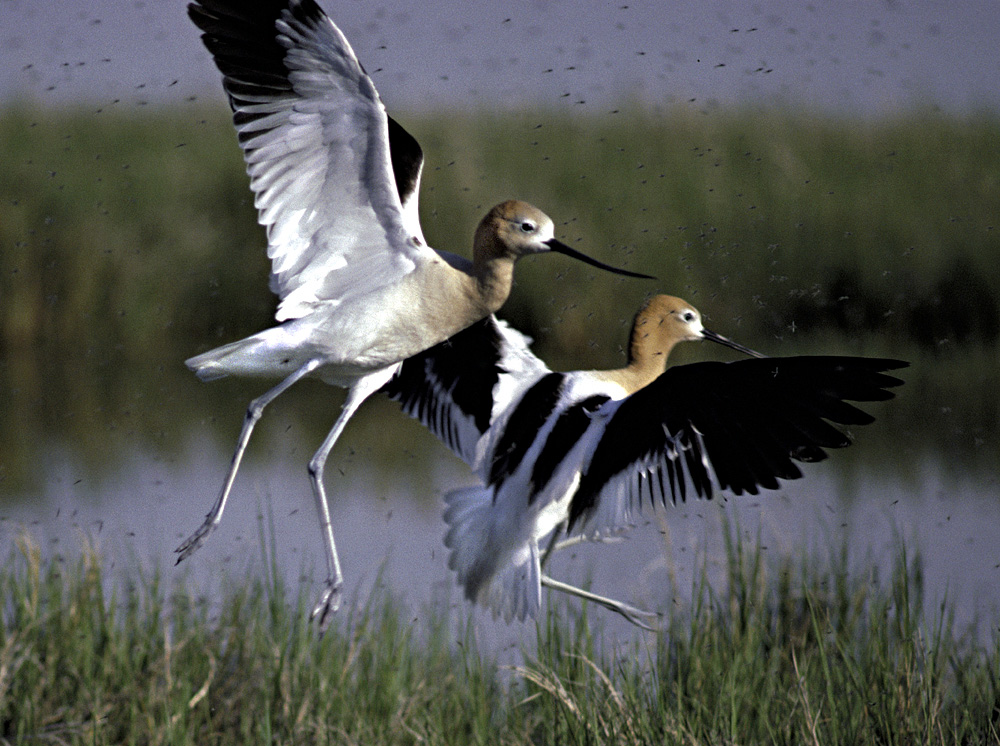
Read the refuge as a changing set of habitats, from shallow feeding flats to marsh cover and deeper water.
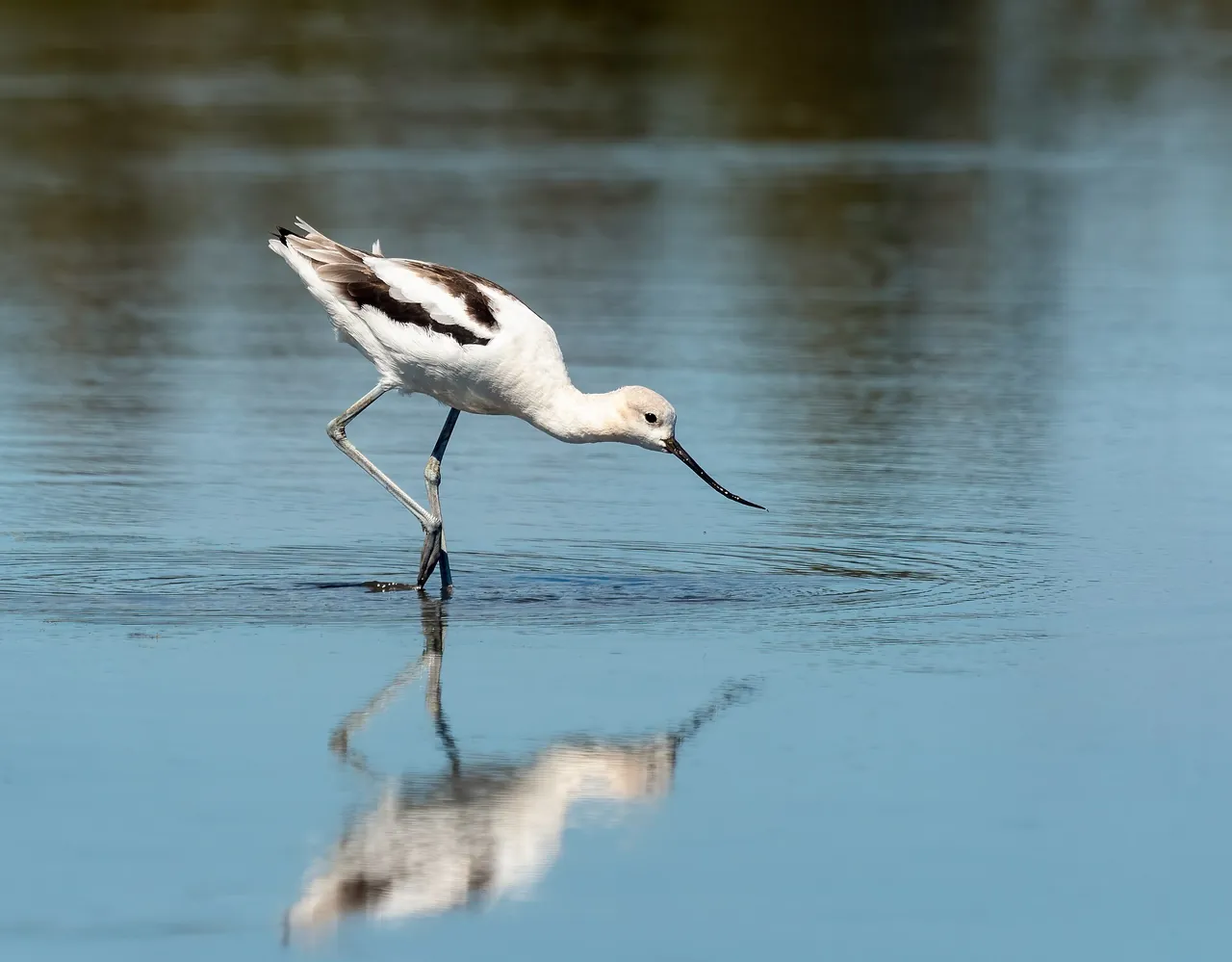
An upturned bill, blue-gray legs and a sweeping feeding motion make this wetland shorebird especially distinctive.
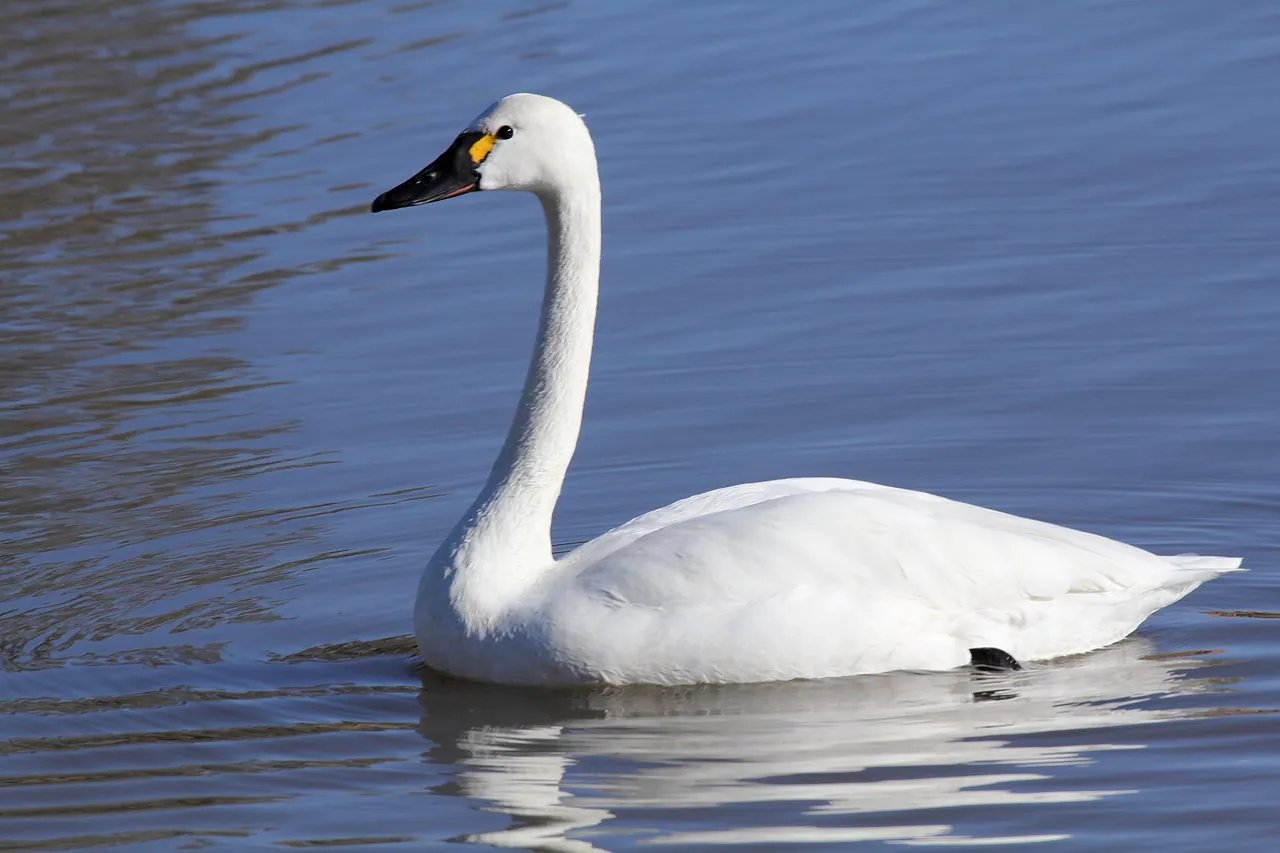
A large white migrant whose family groups link Utah's wetlands with Arctic nesting country.