Birds
Mountain bluebird
A sky-blue bird of open country that winters on juniper berries when insects are scarce.
Everything Utah, every day.
Help Utahns understand their communities and hold government accountable. Our mission →
A canopy songbird whose breeding male looks like a yellow bird with a flame-colored head.
Western tanagers live in open woods across the West and often stay hidden in the canopy. NPS says they breed in open conifer and mixed conifer-deciduous woodland up to about 10,000 feet, and are especially common in forests of Douglas-fir, ponderosa pine and lodgepole pine. They also breed in riparian woodland, aspen, oak and pinyon-juniper woodland, and usually favor forest edges.
Adult males are yellow with black wings and back and an orange-red head; females have red only on the front of the face and a subtler yellow-green body. During the breeding season they eat mostly insects, shifting to more fruit in fall and winter. NPS notes they clip the wings of dragonflies before swallowing them.
Because the birds stay high in the foliage, a binocular scan of forest edges and listening for movement works better than walking toward them. This profile uses the Bryce Canyon account, so its habitat notes describe where the park finds the bird, not a Utah-wide map.
Breeding male: yellow body, black wings and back, orange-red head; females are duller with red only on the face.
Scan forest edges and canopy with binoculars from trails; avoid pushing into nesting cover.
A sky-blue bird of open country that winters on juniper berries when insects are scarce.
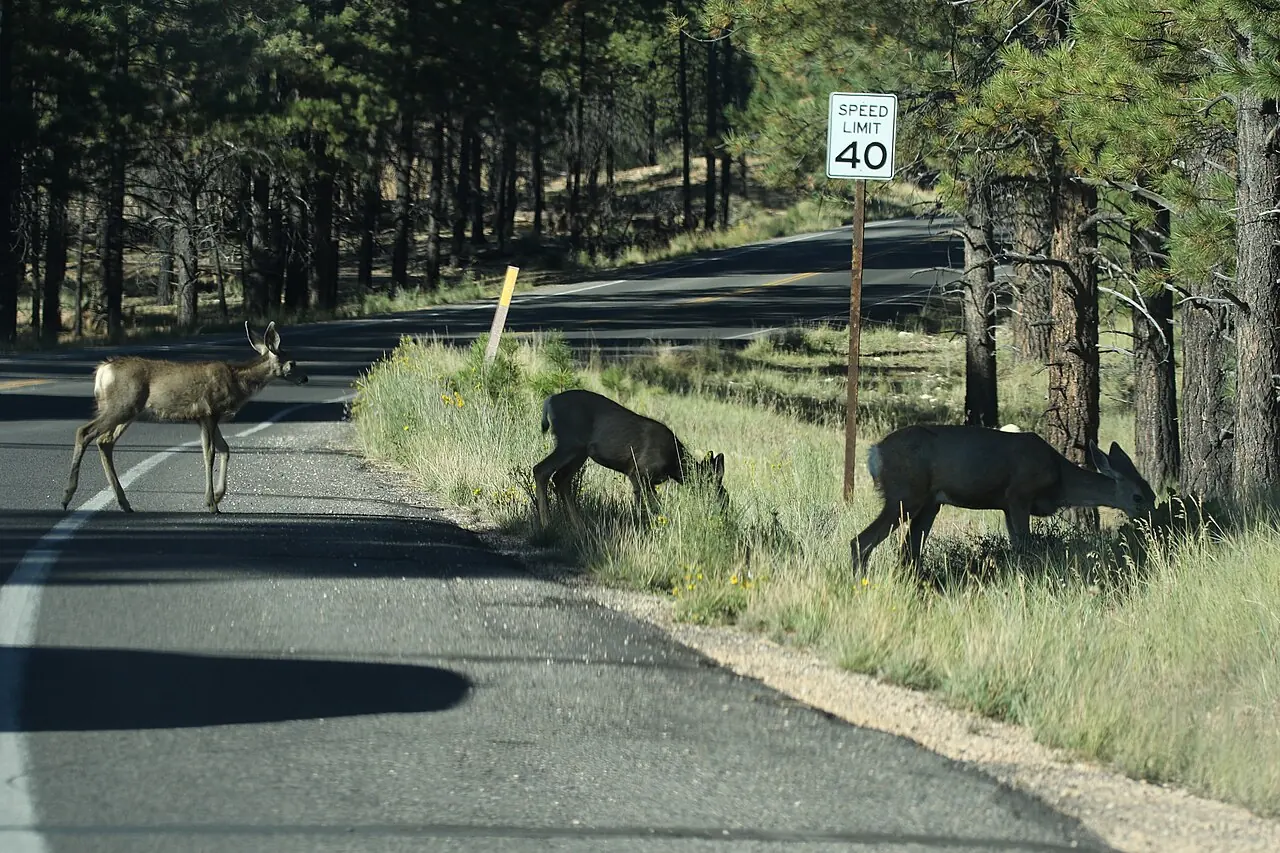
Found across Utah, from high mountains to city neighborhoods, and named for its large, mule-like ears.
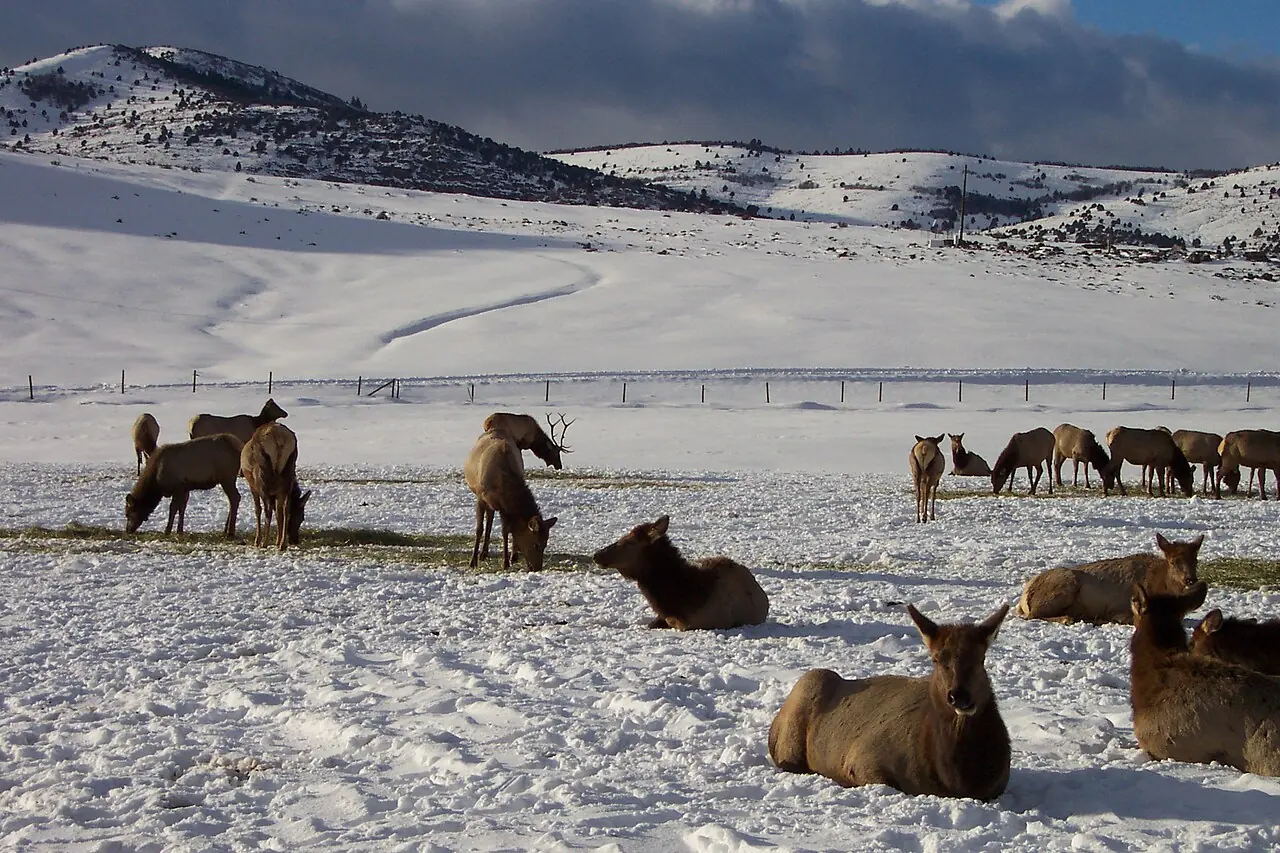
Utah's state mammal, best known for the fall bugling of bulls during the rut.
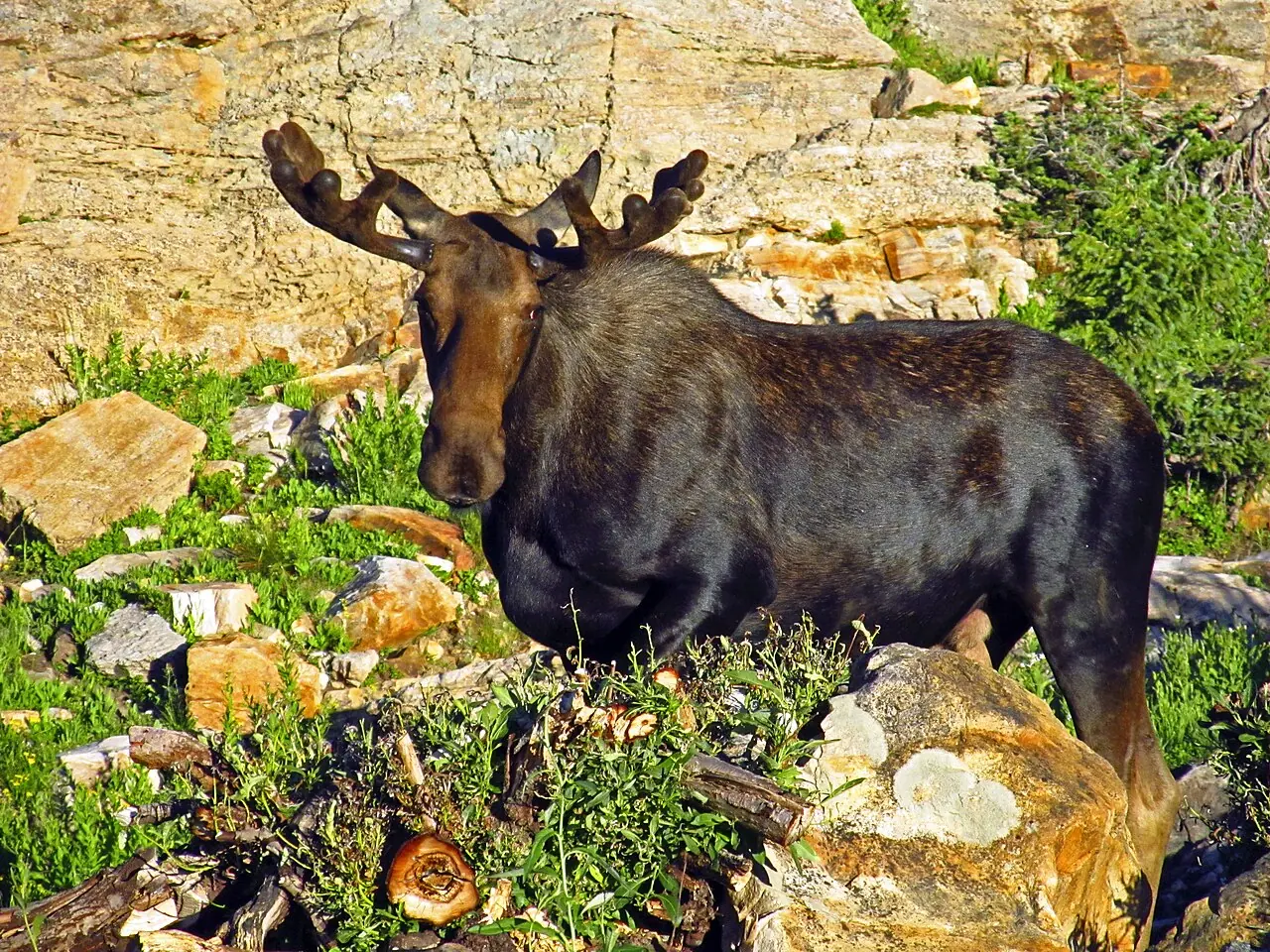
The largest member of the deer family in Utah, at home where northern mountain forest meets water.