Mammals
Black-tailed jackrabbit
Not a rabbit but a hare, built for speed with ears and legs that are very long.
Everything Utah, every day.
Help Utahns understand their communities and hold government accountable. Our mission →
A mountain hare with big hind feet and a coat that is brown in summer and white in winter.
The snowshoe hare is a medium-sized hare with large ears and large hind feet. The Natural History Museum of Utah says it is dark brown with a gray chin and belly in summer and white with black-tipped ears in winter, so its color follows the season. The museum also notes it is common in the Wasatch Range above 8,000 feet.
It is active year-round and mostly after dark, staying hidden in vegetation until sundown and using the same runways again and again. It eats a mix of woody and succulent plants. Females can raise two to five litters a year, from about March into July or August, and the young are weaned after about a month.
Utah DWR groups it with the state's three hares, along with the white-tailed and black-tailed jackrabbits. Hares rest in a shallow depression above ground and have young that are furred and open-eyed at birth, while rabbits use burrows. DWR lists the snowshoe hare as protected wildlife that can be hunted only in set seasons.
Large hind feet and ears; brown in summer, white with black-tipped ears in winter.
Look along forest edges and trails at dusk or dawn above about 8,000 feet in the Wasatch; do not chase hares or pick up young.
Not a rabbit but a hare, built for speed with ears and legs that are very long.
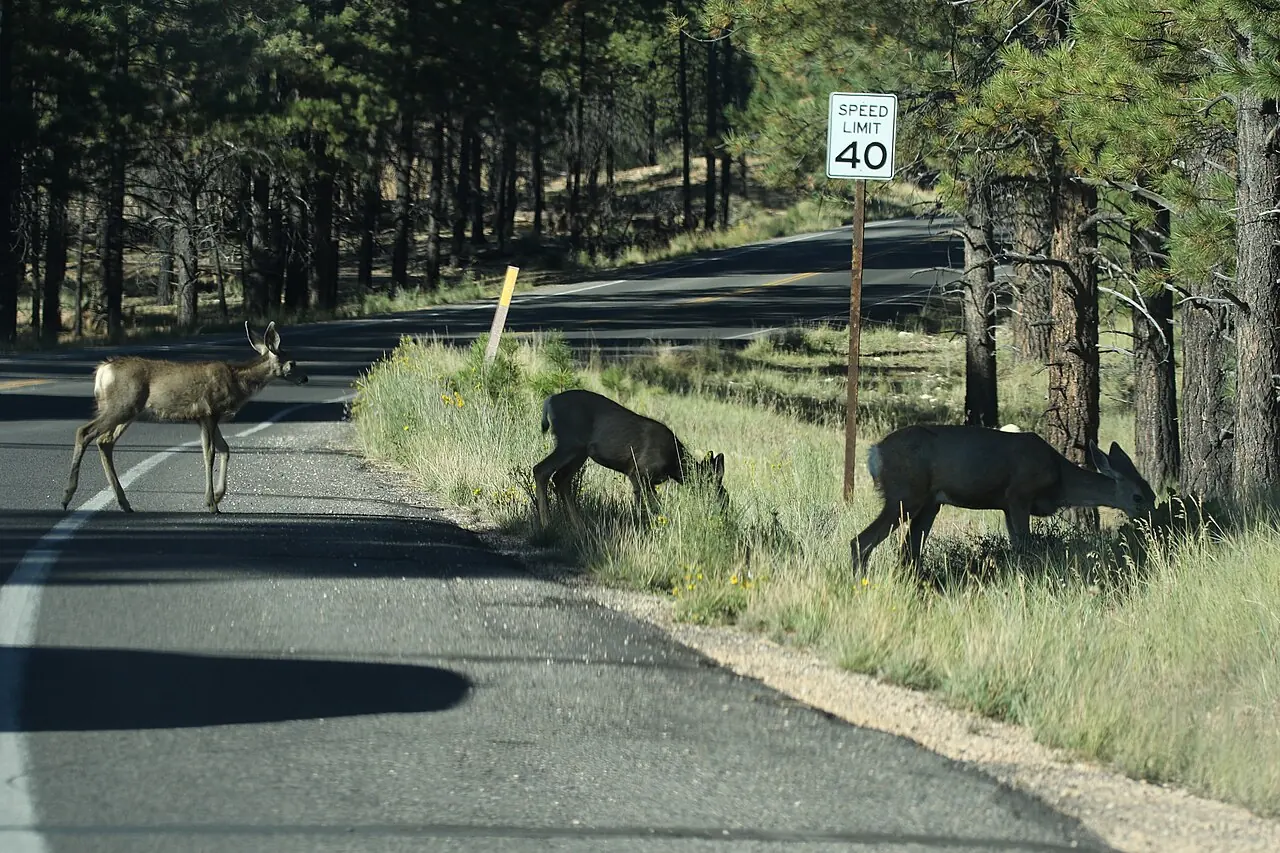
Found across Utah, from high mountains to city neighborhoods, and named for its large, mule-like ears.
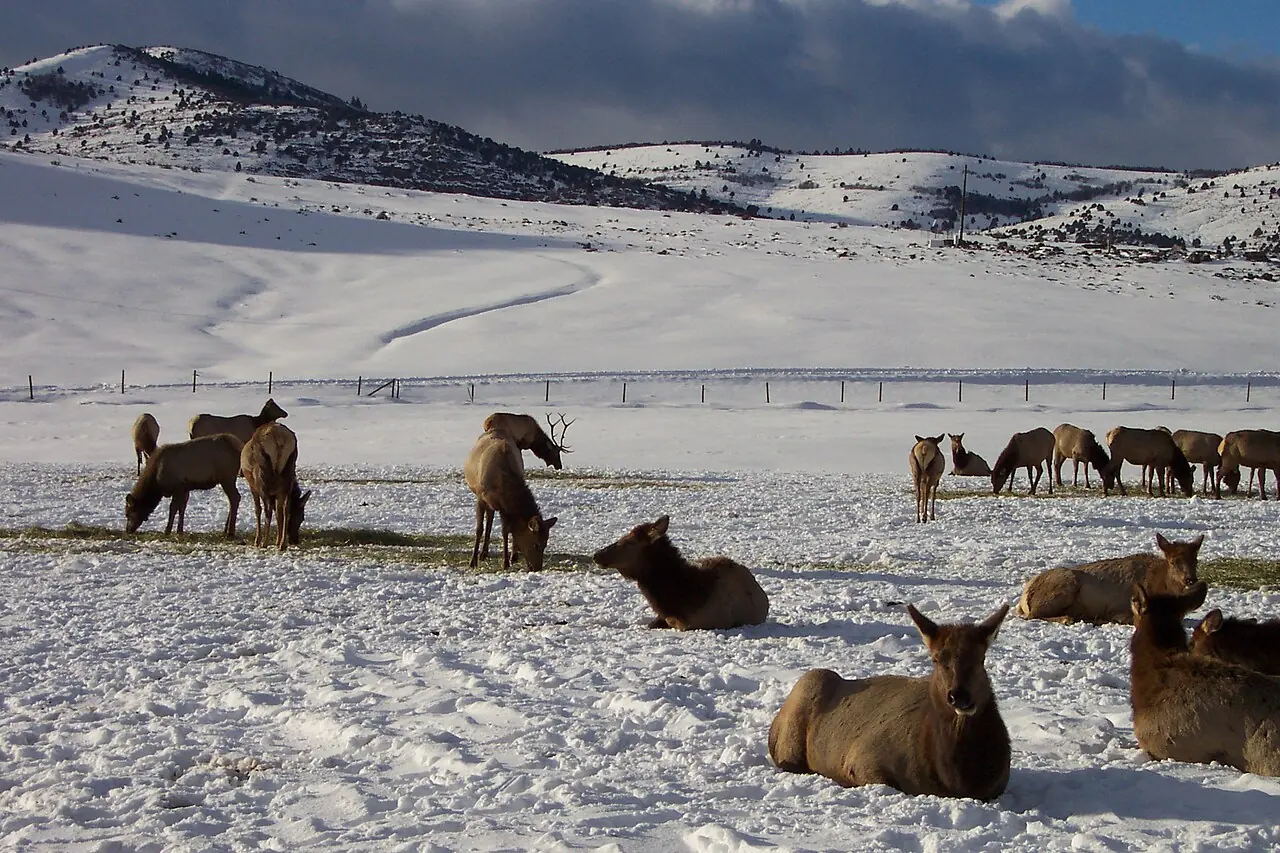
Utah's state mammal, best known for the fall bugling of bulls during the rut.
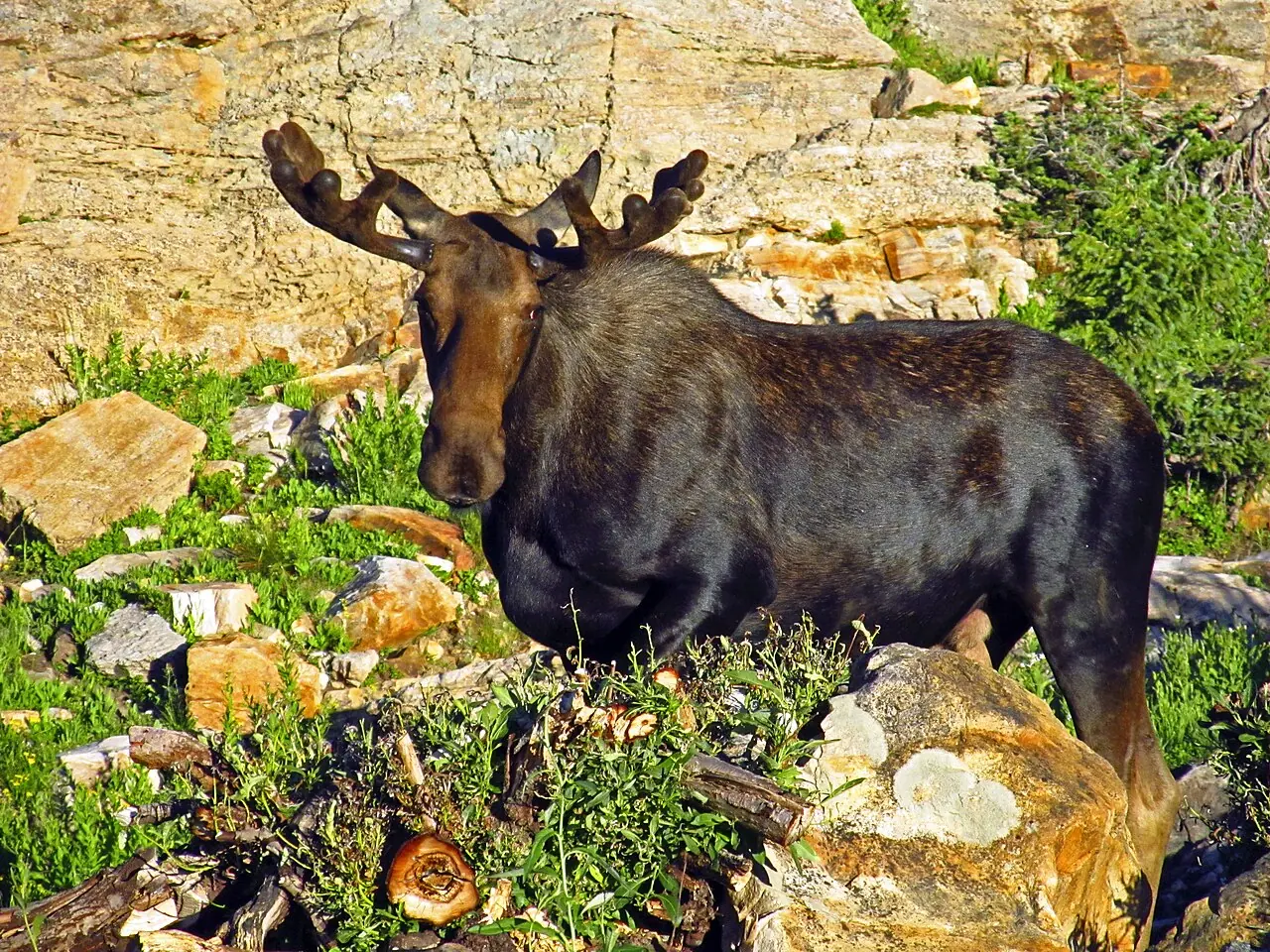
The largest member of the deer family in Utah, at home where northern mountain forest meets water.