Birds
Western meadowlark
A yellow-breasted grassland songbird whose flute-like song is easier to notice than the bird.
Everything Utah, every day.
Help Utahns understand their communities and hold government accountable. Our mission →
A large shorebird with a sickle-shaped bill that nests in dry grassland and winters on mudflats.
The long-billed curlew is the one shorebird that belongs in a grassland guide as much as a wetland one. In the West it nests in short, sparse grass, including Great Basin and Great Plains grasslands and some farm fields, and it picks grasshoppers and other insects from the ground. The extraordinarily long, downcurved bill is the clue to its name and to its second life, probing mud for worms and small crustaceans.
Away from the nesting grounds the picture changes. Wintering birds use tidal flats and other coastal habitats, along with pastures and agricultural land. A curlew standing in a dry field is therefore not out of place, and a curlew on a wetland edge is not proof of anything about where it nests. Bear River refuge lists the species among its priority birds, which is a statement about the refuge, not a map of Utah nesting sites.
Federal wildlife managers treat the curlew as a bird of conservation concern, and biologists note that less is known about its winter ecology than its summer life. Stay on roads and trails in grassland, never walk toward a bird that circles or calls repeatedly, and view nesting areas only from a distance. Pesticide spraying can reduce the grasshoppers it feeds on.
Largest North American shorebird of dry open country; long downcurved bill, cinnamon-buff body.
Considered a bird of conservation concern by federal wildlife managers; a priority species at Bear River refuge.
Use a scope from the road or an established trail; if a bird circles and calls, you are too close to a nest or young.
A yellow-breasted grassland songbird whose flute-like song is easier to notice than the bird.
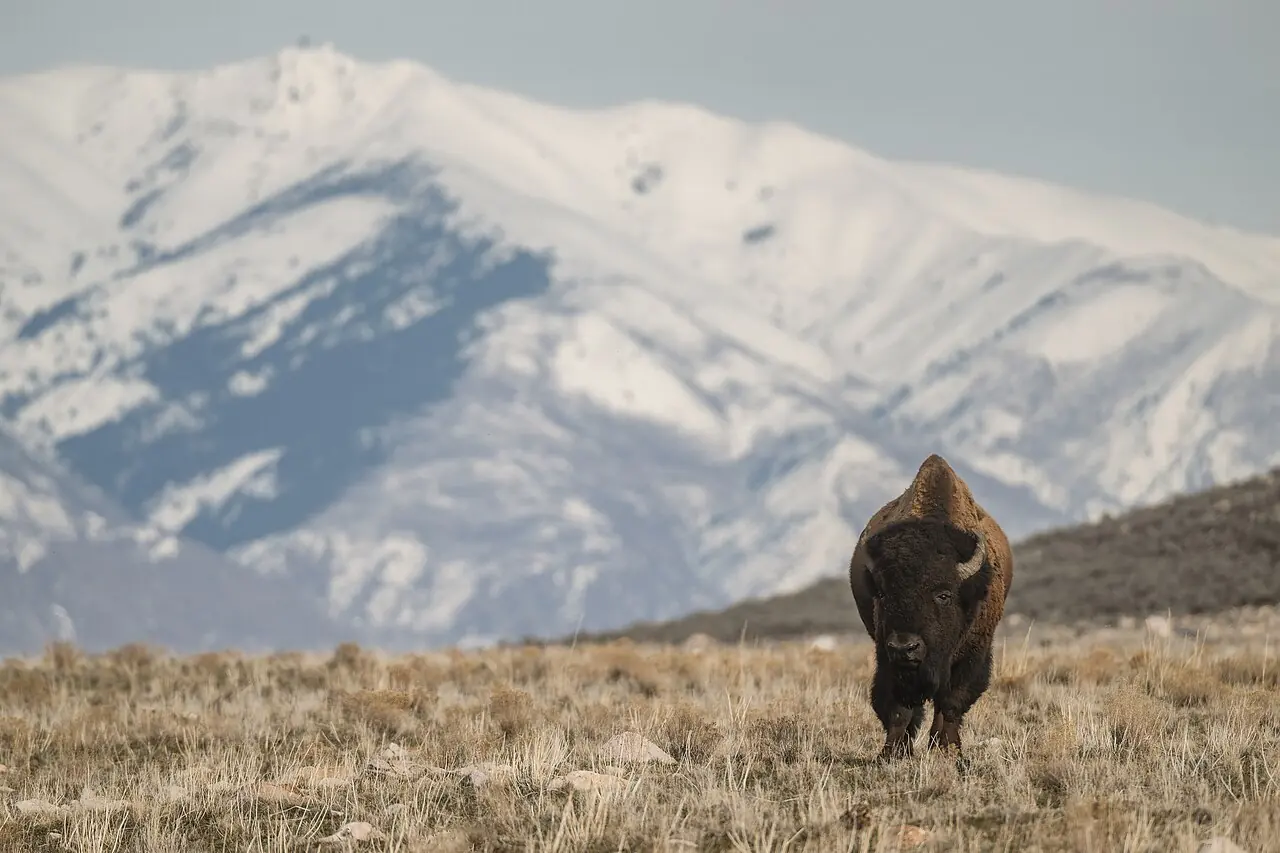
North America's largest land animal, with wild herds on Antelope Island, in the Henry Mountains and in the Book Cliffs.
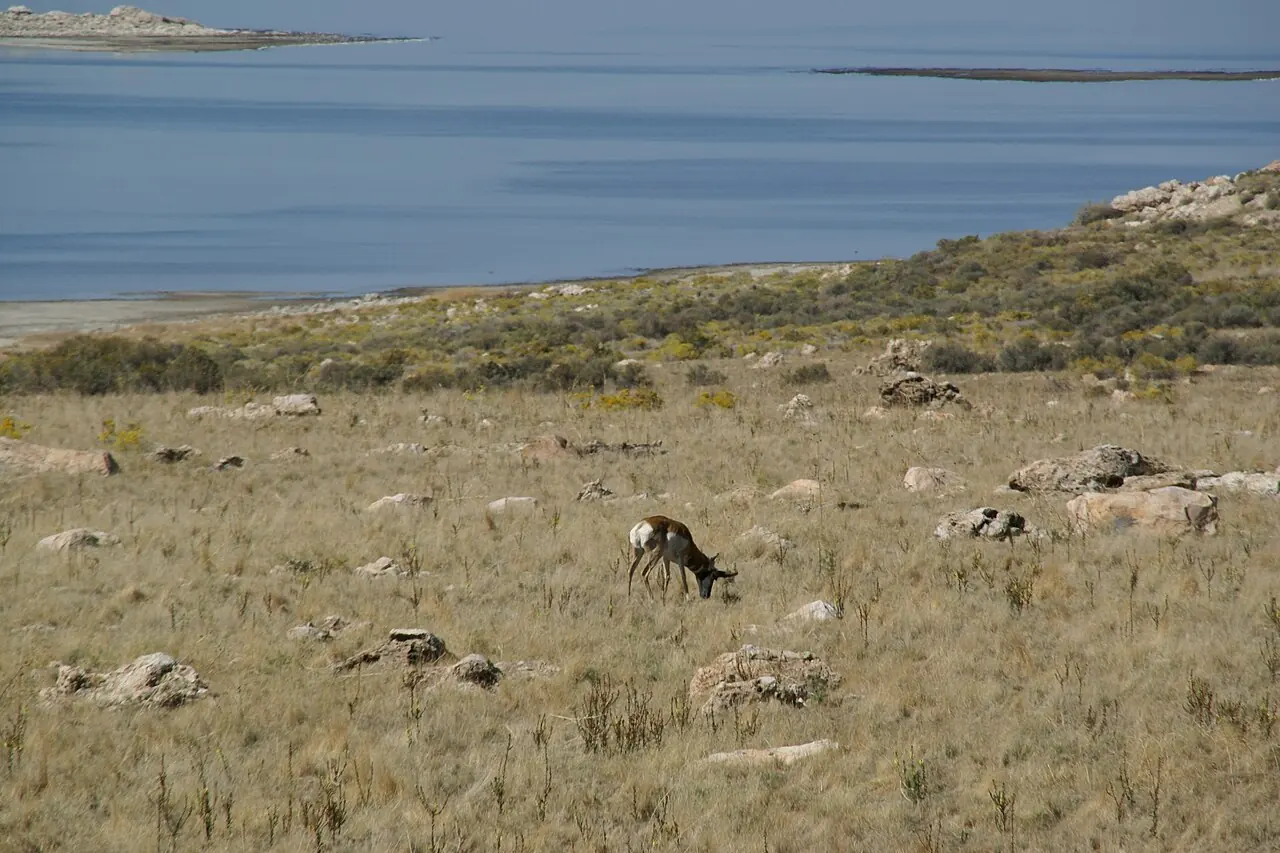
An open-country specialist with a white rump, unusual shedding horn sheaths and a need for connected habitat.