Published by Paul Ivinskas
Monday, October 26, 2026

Everything Utah, every day.

Help Utahns understand their communities and hold government accountable. Our mission →

Wildlife & plants · Reptiles

Gila monster

Utah's state reptile, a heavy venomous lizard found only in the southwest corner.

Utah made the Gila monster its state reptile in 2019. DWR says the species is primarily found in west-central Arizona but is native to southwestern Utah, Nevada, New Mexico and parts of California. Snow Canyon State Park, designated trails in the Red Cliffs Reserve and the BLM Red Cliffs recreation area are the most likely Utah places to see one, and April and May daytime is the likeliest time, with sightings possible through the summer on warm nights.

The lizard is large and heavy-bodied, yellow with black bands to orange or pink with black bands. It eats tortoise and bird eggs and young rabbits, and a single meal can be up to a third of its body weight, so it eats only three or four times a year. DWR says it spends about 95 percent of its time out of sight in burrows. It is one of two venomous lizards in North America.

It is not federally endangered, but it is protected in each state where it lives, and DWR says it is illegal to capture or move one found in the wild. Keep your distance and do not touch it. A state symbol says nothing about where to find the animal or how well it is protected, so use the DWR page for rules.

How to recognize it

Heavy-bodied lizard with black bands over yellow, orange or pink.

Conservation

Not federally endangered; protected in each state where it lives, per DWR in 2019.

Watching and staying safe

Do not touch, capture or move a Gila monster; watch from a distance.

Places the sources name

Examples from the sources, not a complete range or a sighting guide.

Related profiles

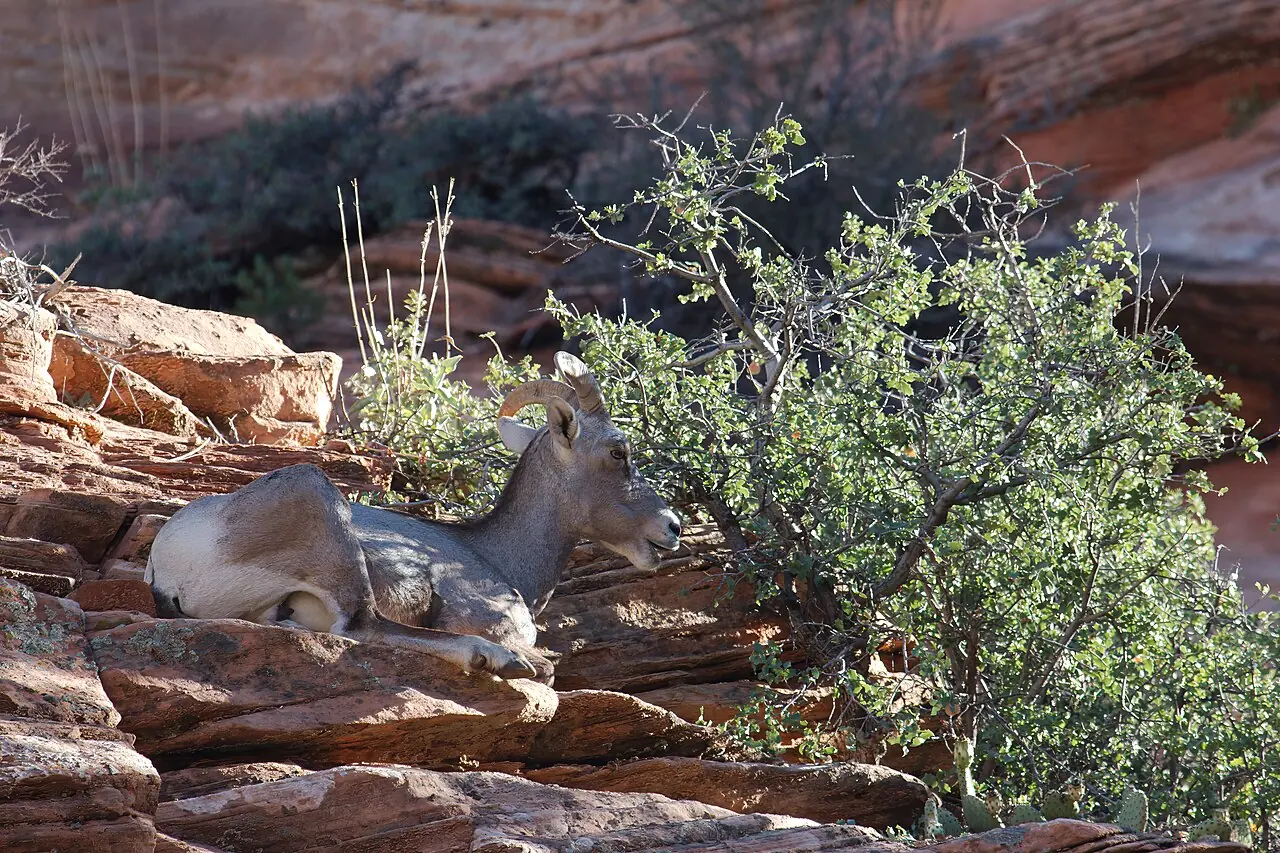
Desert bighorn sheep resting beside sandstone in Zion National Park
File photo: Desert bighorn sheep resting beside sandstone in Zion National Park (2014-09-22 10:34:38). Photo: ImagePerson · CC0 · Wikimedia Commons
Mammals

Desert bighorn sheep

Sure-footed sheep of the slickrock, restored to Zion after disappearing there.

Ovis canadensis nelsoni

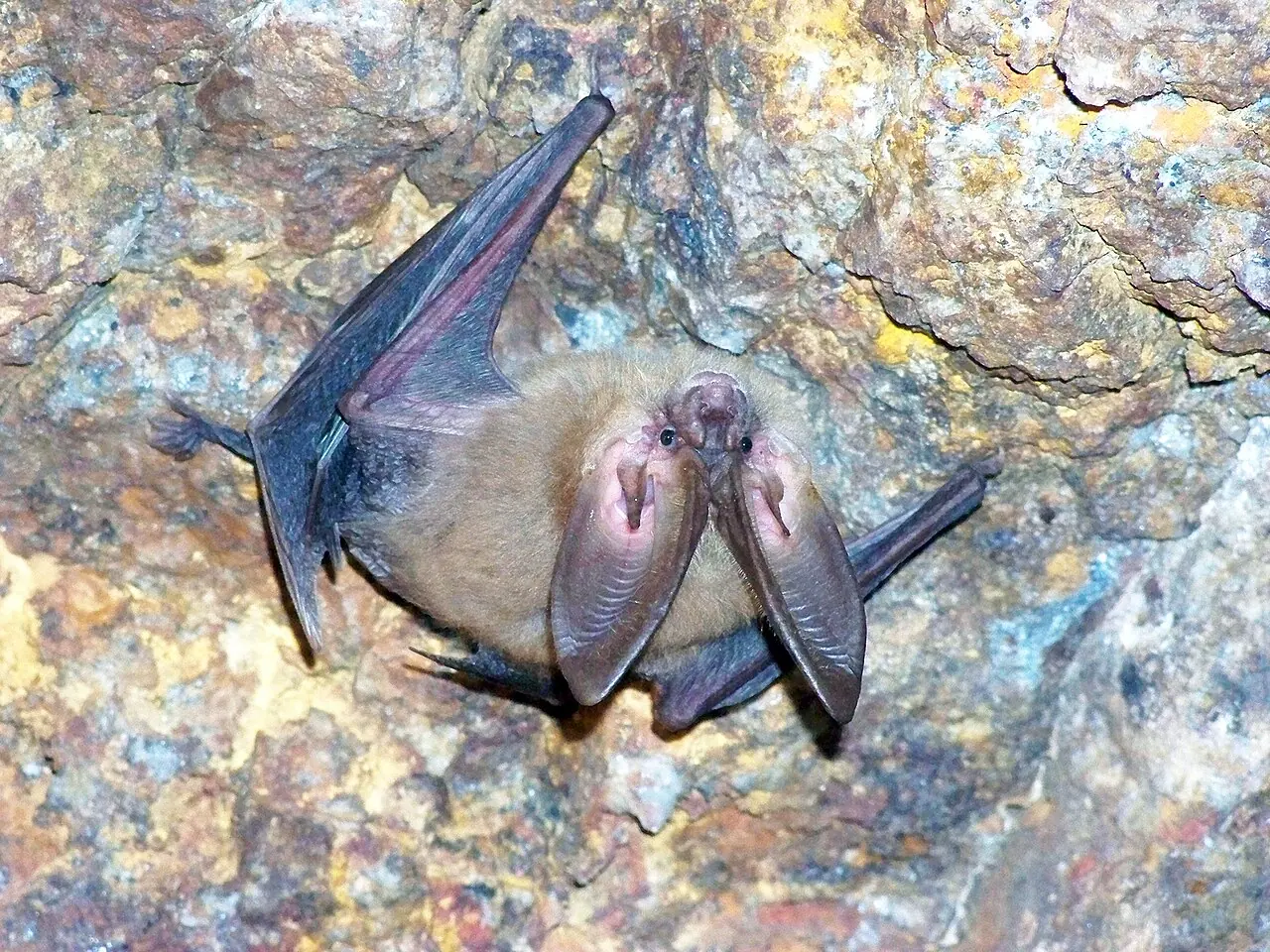
A Townsend’s big-eared bat hanging from rock
File photo: Townsend’s big-eared bat in Utah, BLM archive. One of the bat species found in the state. Photo: John Larson / BLM Utah · Public domain · Wikimedia Commons
Mammals

Bats

Insect-eating flying mammals whose lives depend on suitable roosts, water and a safe seasonal cycle.

Saved on this device. Statewide news and alerts remain available.