Birds
Western meadowlark
A yellow-breasted grassland songbird whose flute-like song is easier to notice than the bird.
Everything Utah, every day.
Help Utahns understand their communities and hold government accountable. Our mission →
A cliff-dwelling wren better known by its falling song than by sight.
A canyon wren is usually heard first. The song is a series of clear whistles that fall in pitch, easy to pick out among the sounds of a sandstone canyon. The bird itself is small and orange-brown, flecked with black and white, with a white throat and a long, thin, slightly curved bill.
Canyon wrens search cracks and the undersides of rocks for insects and spiders, and they nest on ledges or in holes in cliff faces. Arches National Park lists the species among the birds that sing in its riparian corridors during spring and summer.
Listening before looking is a good way to find one without disturbing it. Stand still on an established trail, scan the base of the cliff and the shadowed ledges, and let the bird reveal itself. Do not follow it into rock or brush, and skip playback recordings; sound is best enjoyed as a clue, not as a lure.
Orange-brown body, white throat, long thin bill; a descending run of whistled notes.
Tied to rock walls and canyons rather than to any one park.
Listen first, then scan cliff bases and ledges from the trail; do not use playback.
A yellow-breasted grassland songbird whose flute-like song is easier to notice than the bird.
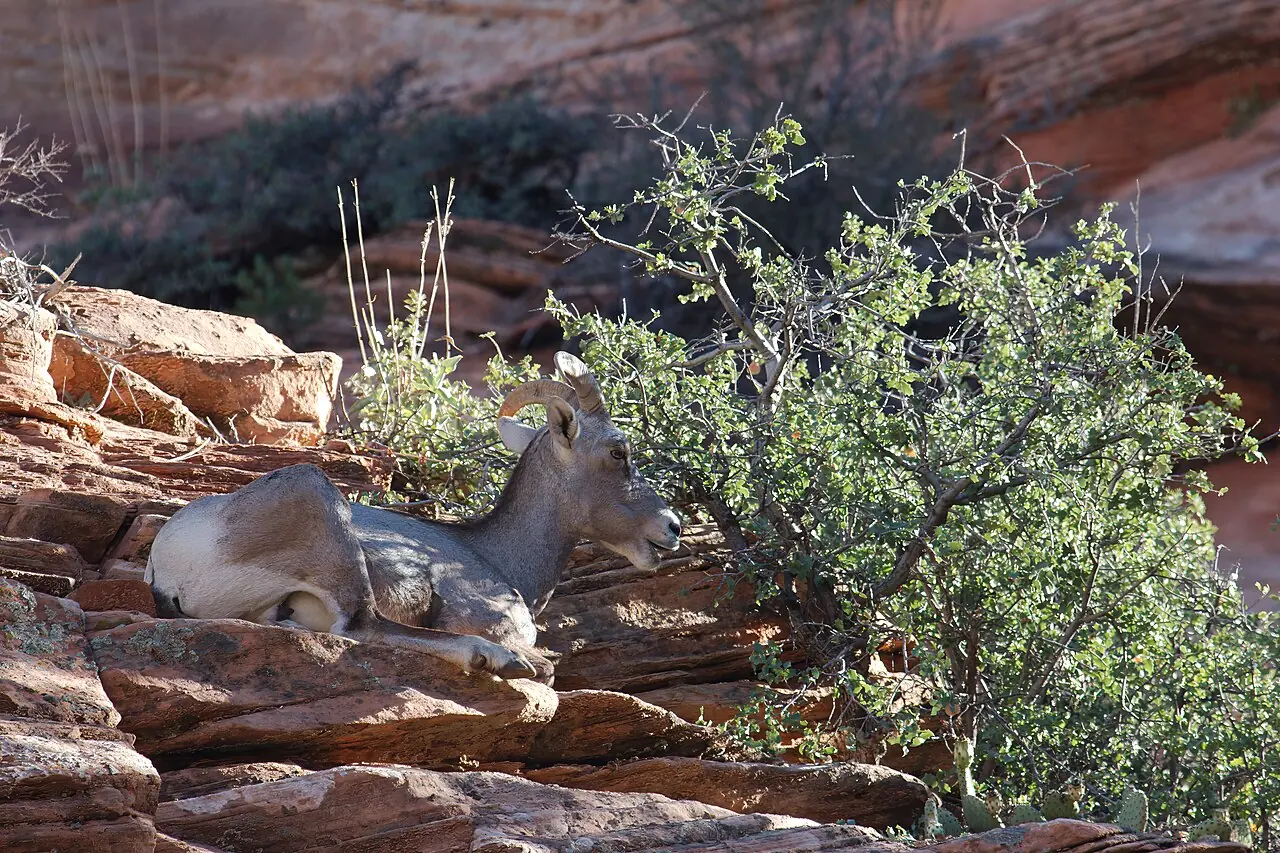
Sure-footed sheep of the slickrock, restored to Zion after disappearing there.
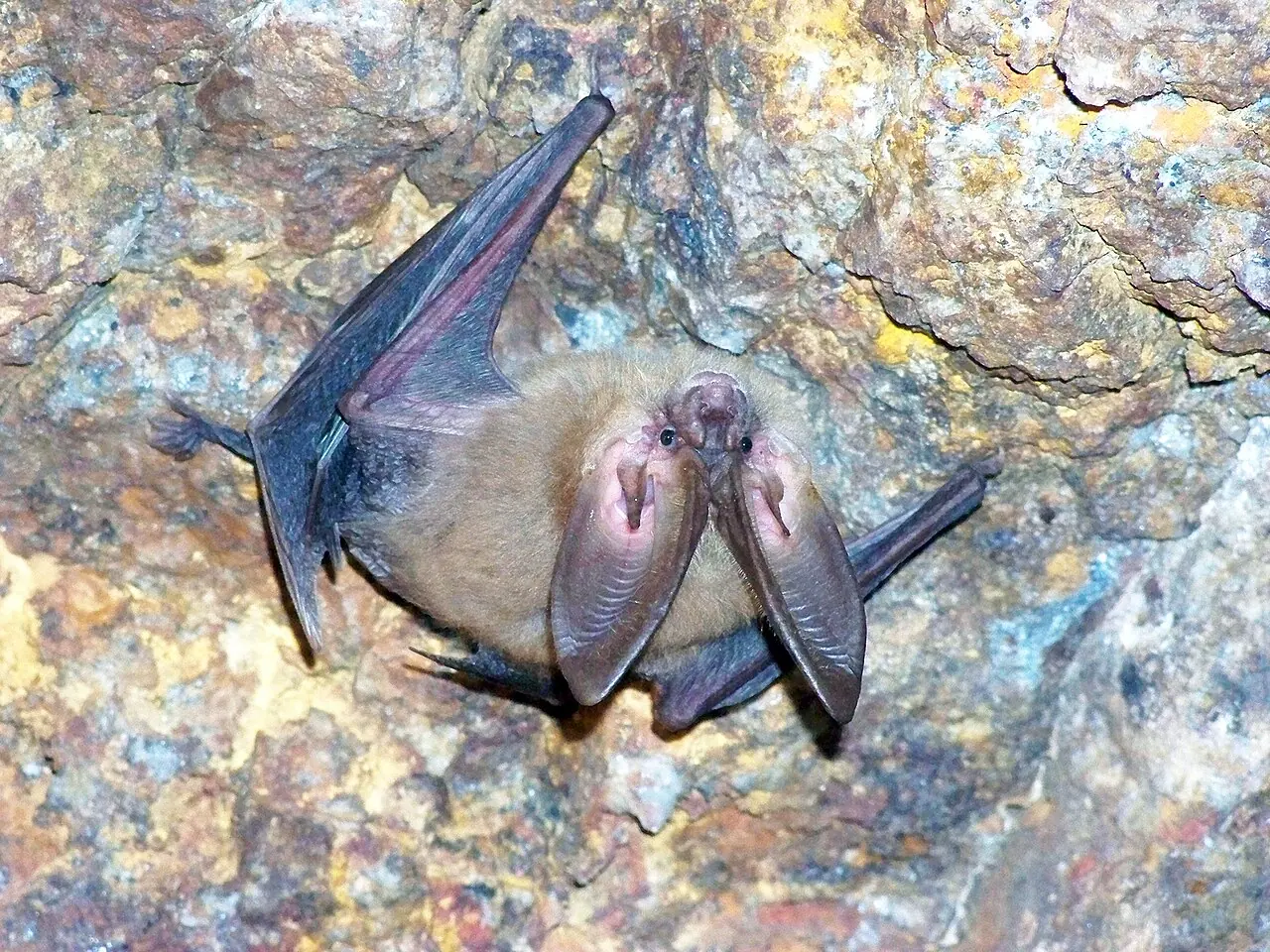
Insect-eating flying mammals whose lives depend on suitable roosts, water and a safe seasonal cycle.