Birds
Broad-tailed hummingbird
A hummingbird of mountain meadows and forests that also eats small insects and spiders.
Everything Utah, every day.
Help Utahns understand their communities and hold government accountable. Our mission →
A tiny, greenish-gray hummingbird of semi-arid river country.
NPS says the black-chinned hummingbird is only about 3 and three-quarter inches long, mostly greenish-gray with a black chin and a white collar. It flaps and spreads its tail while hovering, possibly to help steady itself.
It prefers semi-arid habitats along desert rivers but moves to higher elevations after breeding. It eats mainly nectar from flowers and small insects. Utah DWR reports it and the broad-tailed hummingbird as the species most often seen in the state.
Compare it with the broad-tailed hummingbird, which favors mountain meadows and forests, and treat any single field mark with care, since females and young birds differ from adult males. Watch from the edge of a streamside corridor and avoid disturbing nesting cover.
Tiny hummingbird with a black chin bordered by a white collar.
Watch streamside flowers from established paths.
A hummingbird of mountain meadows and forests that also eats small insects and spiders.
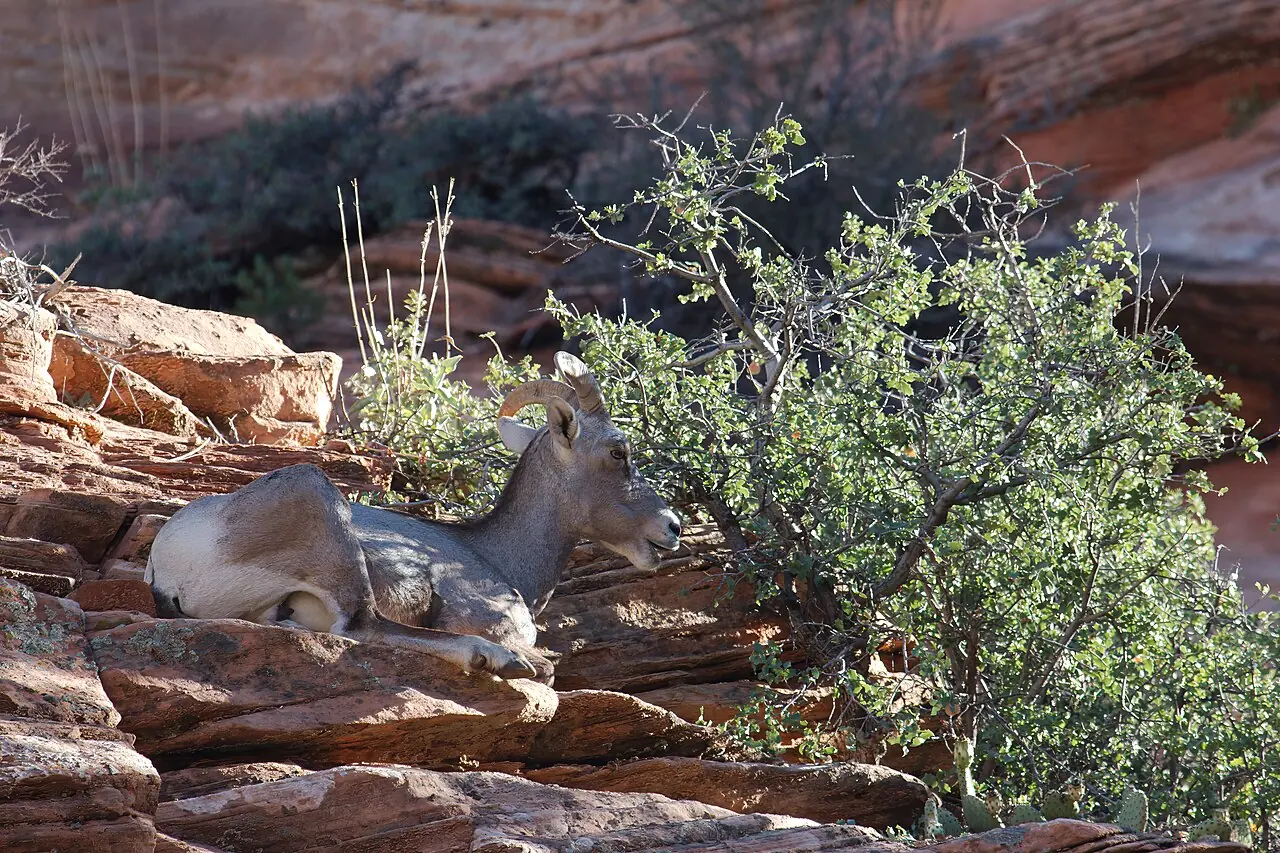
Sure-footed sheep of the slickrock, restored to Zion after disappearing there.
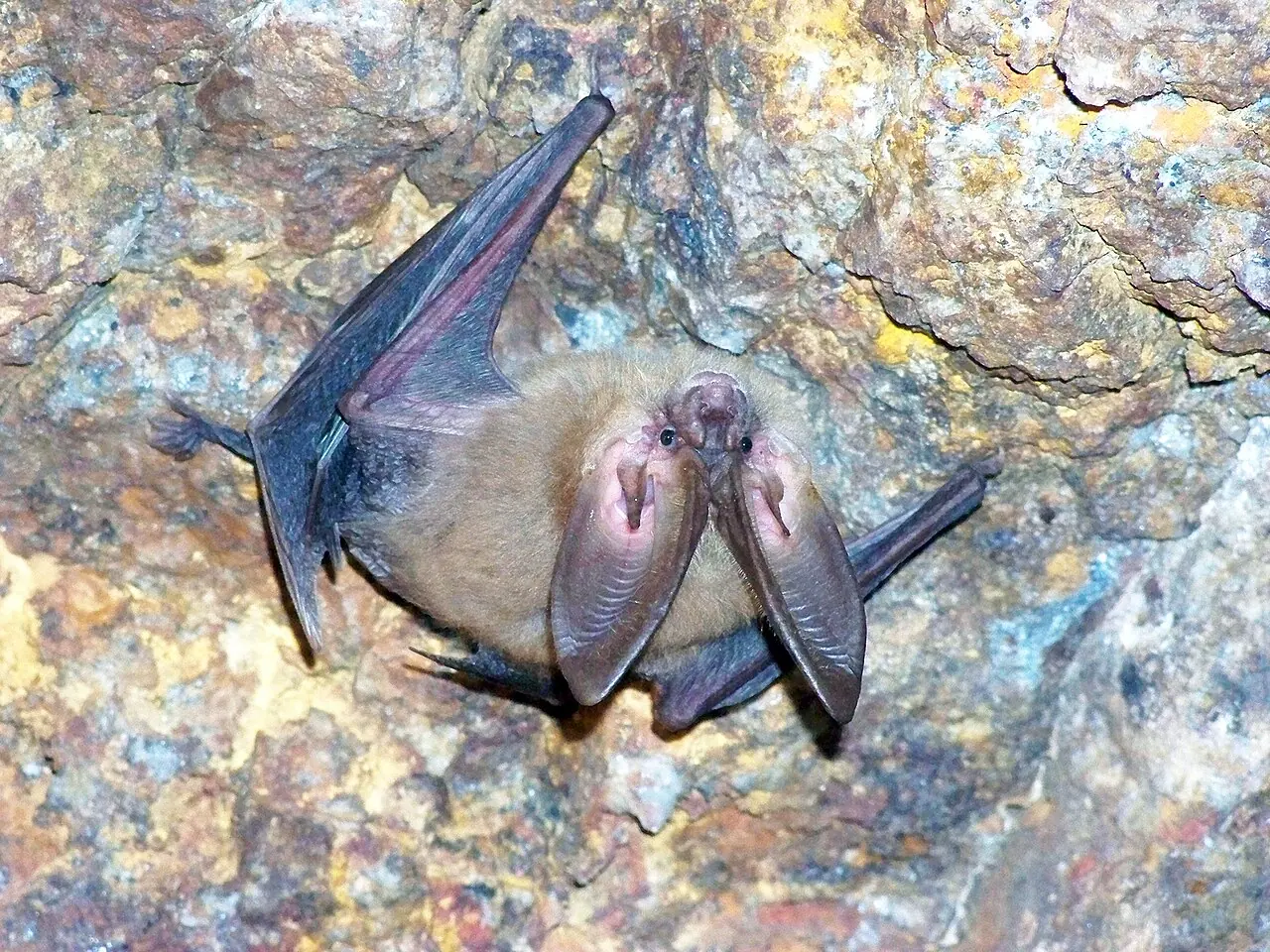
Insect-eating flying mammals whose lives depend on suitable roosts, water and a safe seasonal cycle.