Published by Paul Ivinskas
Monday, October 26, 2026

Everything Utah, every day.

Help Utahns understand their communities and hold government accountable. Our mission →

Wildlife & plants · Birds

American white pelican

A huge white bird with black flight feathers that nests on Great Salt Lake islands but fishes in fresh water.

An American white pelican is mostly white, with black flight feathers that stand out in the air and a bill with a stretchable pouch. It catches fish with that bill; the key idea for Great Salt Lake is that a lake can be a nesting place and not a feeding place for the same bird.

The saline lake has little fish for pelicans. Birds nesting on Gunnison Island commute roughly 60 to 100 miles round trip to freshwater wetlands on the east side of the lake and to Wasatch reservoirs for fish. The colony has been in trouble: low lake levels created land bridges that opened Gunnison to coyotes and other predators, and a 2023 aerial survey found the colony abandoned. In 2024 Audubon reported the pelicans back, with about 1,200 nests on Gunnison and 1,900 on Hat Island.

That makes the pelican a useful lesson in reading the lake: nesting islands, feeding water and trips between them are separate things. A pelican at a freshwater marsh is feeding, not necessarily nesting. Stay far from the islands and use a scope from public shorelines, and look for current colony counts from the state Division of Wildlife Resources because the 2024 figures will change.

How to recognize it

Very large white bird, black flight feathers on the wing, long bill with a pouch.

Conservation

Gunnison Island colony affected by low lake levels and predator access; counts change from year to year.

Watching and staying safe

Use a scope from public shorelines and viewing areas; never approach nesting islands, and view feeding birds from established refuge or wetland access.

Places the sources name

Examples from the sources, not a complete range or a sighting guide.

Related profiles

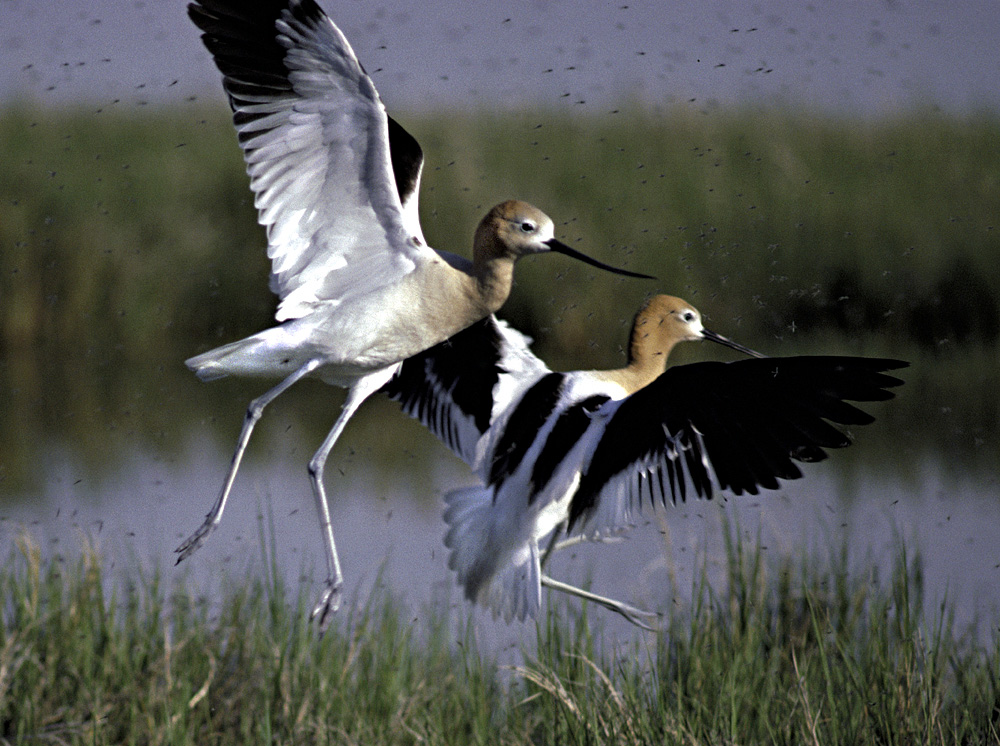
American avocets with raised wings at Bear River Migratory Bird Refuge
File photo: American avocets with raised wings at Bear River Migratory Bird Refuge. Photo: U.S. Fish and Wildlife Service · Public domain · Wikimedia Commons
Birds

Bear River refuge birds

Read the refuge as a changing set of habitats, from shallow feeding flats to marsh cover and deeper water.
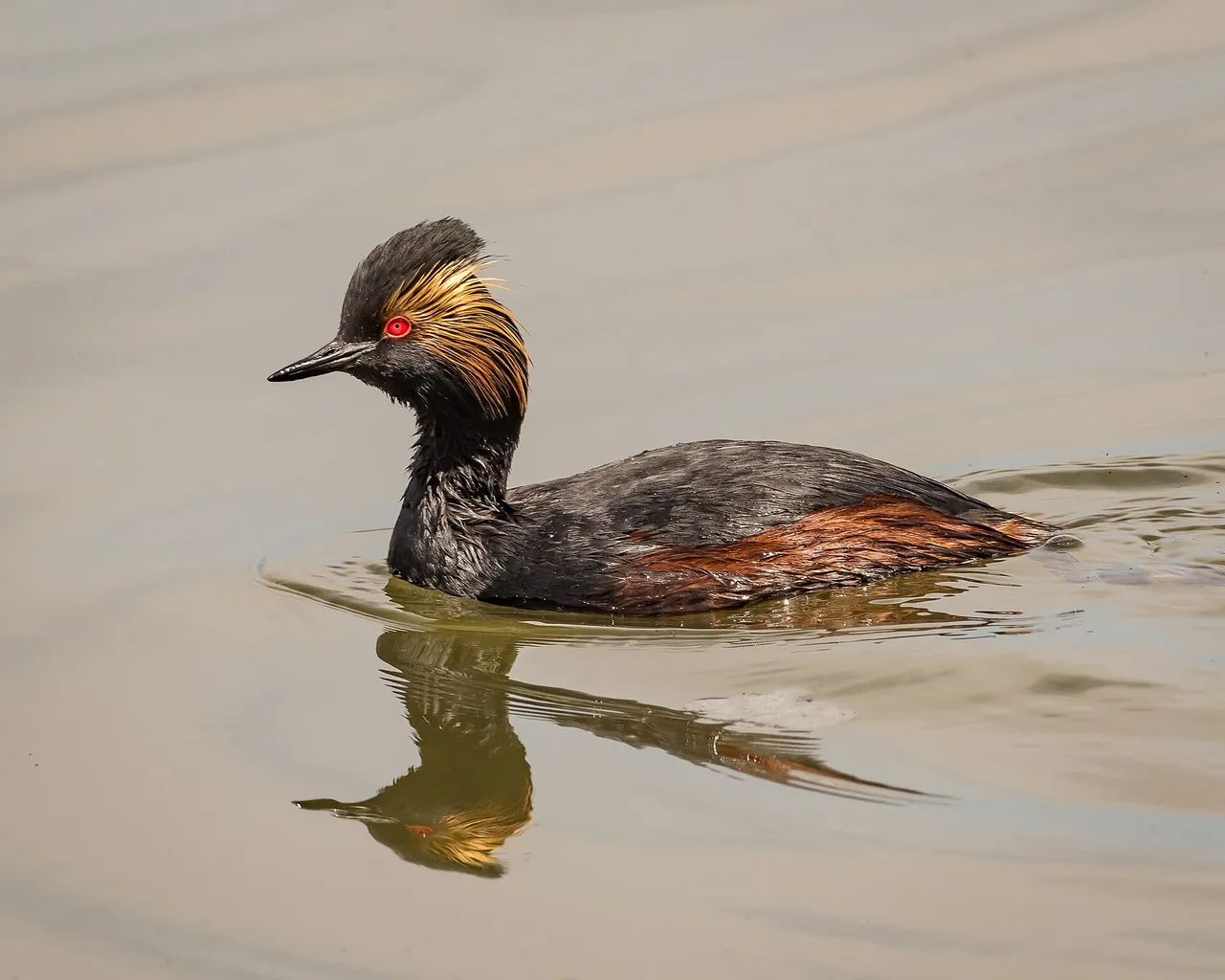
An eared grebe (black-necked grebe) in breeding plumage on the water
File photo: an eared grebe (black-necked grebe) in breeding plumage on the water. Photo: Becky Matsubara from El Sobrante, California · CC BY 2.0 · Wikimedia Commons
Birds

Eared grebe

A small diving bird whose long autumn stopovers reveal the importance of Great Salt Lake's invertebrate food supply.

Podiceps nigricollis

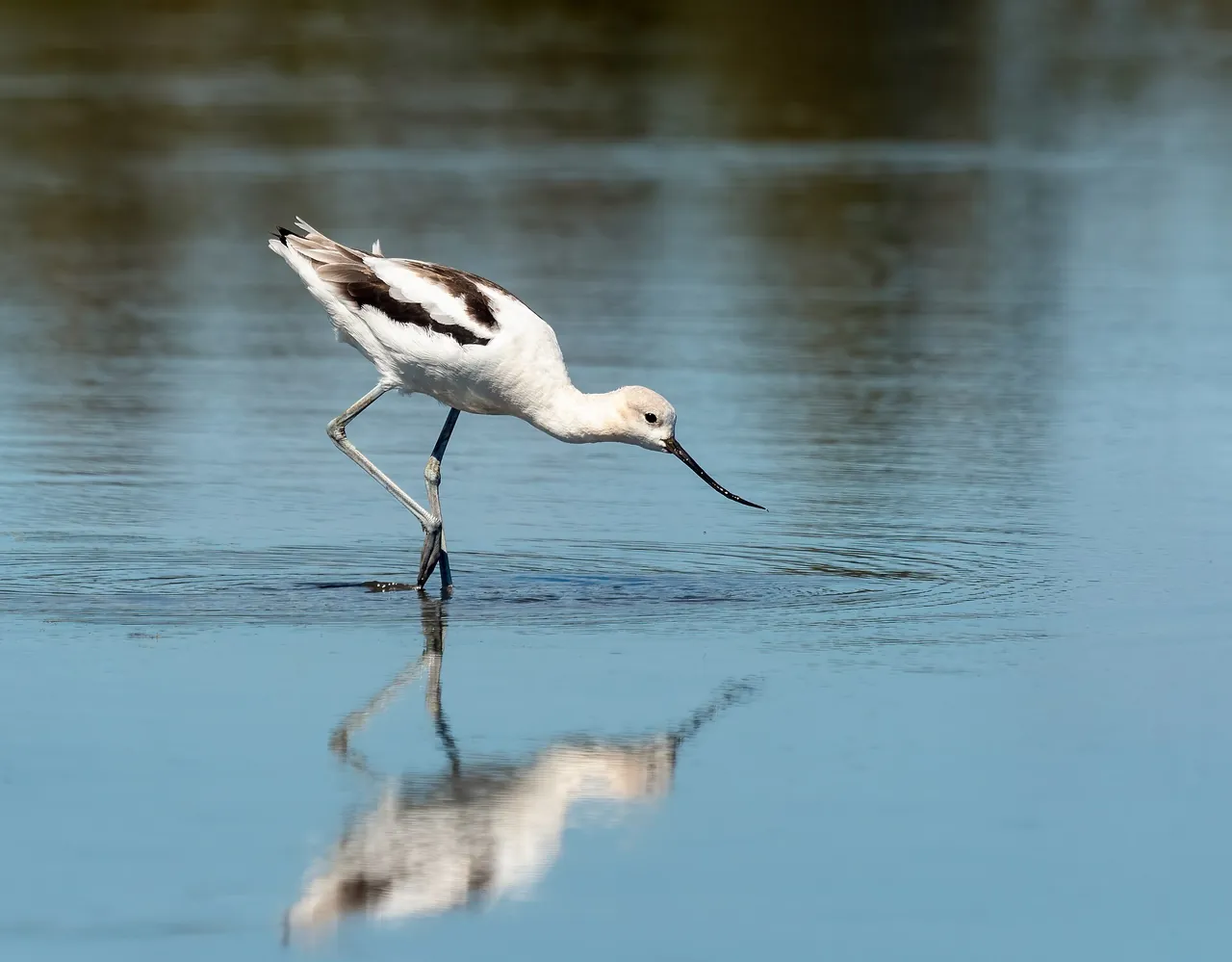
American avocet wading in shallow water with its upturned bill
File photo: american avocet wading in shallow water with its upturned bill. Photo: Rhododendrites · CC BY-SA 4.0 · Wikimedia Commons
Birds

American avocet

An upturned bill, blue-gray legs and a sweeping feeding motion make this wetland shorebird especially distinctive.

Recurvirostra americana

Saved on this device. Statewide news and alerts remain available.