State representative, House District 8 · Republican
i
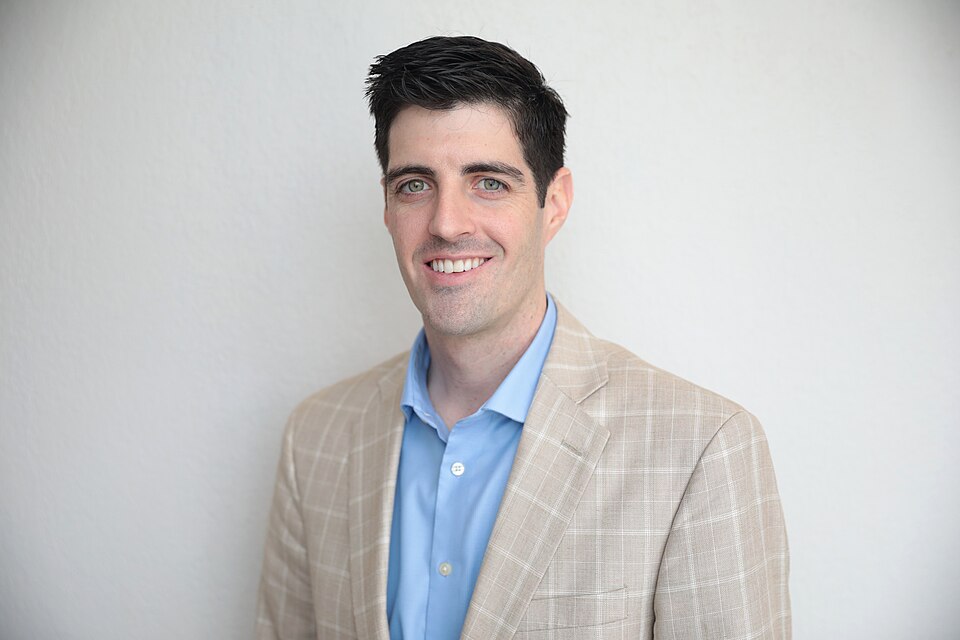
2022-11-19 file photo: Jason B. Kyle. “Jason Kyle (52519915090).jpg.” Full-frame display. Photo: Gage Skidmore · CC BY-SA 2.0 · Wikimedia Commons
2022-11-19 file photo: Jason B. Kyle. “Jason Kyle (52519915090).jpg.” Full-frame display. Photo: Gage Skidmore · CC BY-SA 2.0 · Wikimedia Commons
Politically neutral. Every candidate on this ballot gets the same sections. The party shown is the one the ballot lists. A section is missing only where we haven't yet found an official source for it. How we stay neutral
Jason B. Kyle is a candidate for Utah House, District 8. The ballot lists Jason B Kyle, Republican. The district covers all or part of Morgan and Weber counties.
The final-passage votes in the 2026 sessions that were decided by the fewest votes, with Jason B. Kyle's vote. These are picked by the size of the margin in the official tally alone, not by topic or party.
Jason B. Kyle earned a chemical-engineering degree at the University of Utah and built a career in management in medical, industrial and defense manufacturing, according to his House biography. His own campaign account describes engineering and management work in medical and industrial-device manufacturing. That professional background provides context for his legislative interests in business regulation and economic policy without assigning him a role at a particular employer beyond the source record. [1] [3]
Public service and district
Kyle began House service in January 2023 and represents District 8, covering parts of Morgan and Weber counties. His official biography identifies Huntsville as his home and describes multigenerational family connections to Weber County. It also records outdoor recreation and community involvement among his interests. His biography also describes family life and service in the Huntsville community. [1]
Documented legislative work
Kyle's 2026 sponsor list includes HB530, State Permitting Council, and HB300, School District Taxation Amendments, both recorded as signed by the governor. Other proposals concerned judicial nominations, commercial law and private equity in higher education and ended as filed. This combination identifies regulatory, tax and institutional questions he pursued, while keeping measures that completed the process separate from constitutional proposals or bills that did not become law. [2]
In the 2026 General Session, Jason B. Kyle was chief sponsor of H.B. 47, Vehicle Registration and Insurance Amendments. It ties the liability-insurance requirement to operating a vehicle on a highway rather than to registering it. The governor signed it on February 12, 2026. [4]
In the 2026 General Session, Jason B. Kyle was chief sponsor of H.B. 256, School District Elections Amendments. It would have made local school board seats partisan offices, with partisan primaries, adjusted vacancy rules and changed campaign and conflict-of-interest reporting. It never reached a floor vote: a committee sent it back to the Rules Committee, and it was filed on March 6, 2026. [5]
Committee and budget responsibilities
His current assignments include House Business, Labor, and Commerce and House Revenue and Taxation, with matching interim responsibilities in both subjects. He also serves on Economic and Community Development Appropriations. Those roles connect tax policy, commercial regulation and agency spending with his manufacturing-management background. They provide concrete venues for following his work on public finance and the conditions affecting employers and local economic development. [1]
Profile sources
Profile refreshed October 20, 2026. Candidate statements describe the candidate's own experience or positions; official records and reporting are labeled separately.
Amendment B on the Nov. 3 Utah ballot would require citizen initiatives that raise taxes to win at least 60% of the vote. Here is the ballot question, what a yes or no vote does, and the official arguments for and against.
AI-generated illustration: The Utah Ledger · Original graphic · The Utah Ledger
One measure would drop the newspaper publication rule for proposed amendments, while the other would require 60% voter approval for citizen initiatives that raise taxes.