Richmond makes secondary irrigation systems optional in new subdivisions
The Richmond City Council voted 5-0 in July 2026 to stop requiring developers to build secondary irrigation systems. In April, staff said five subdivisions had been built under the requirement and none was connected to an operational irrigation system.
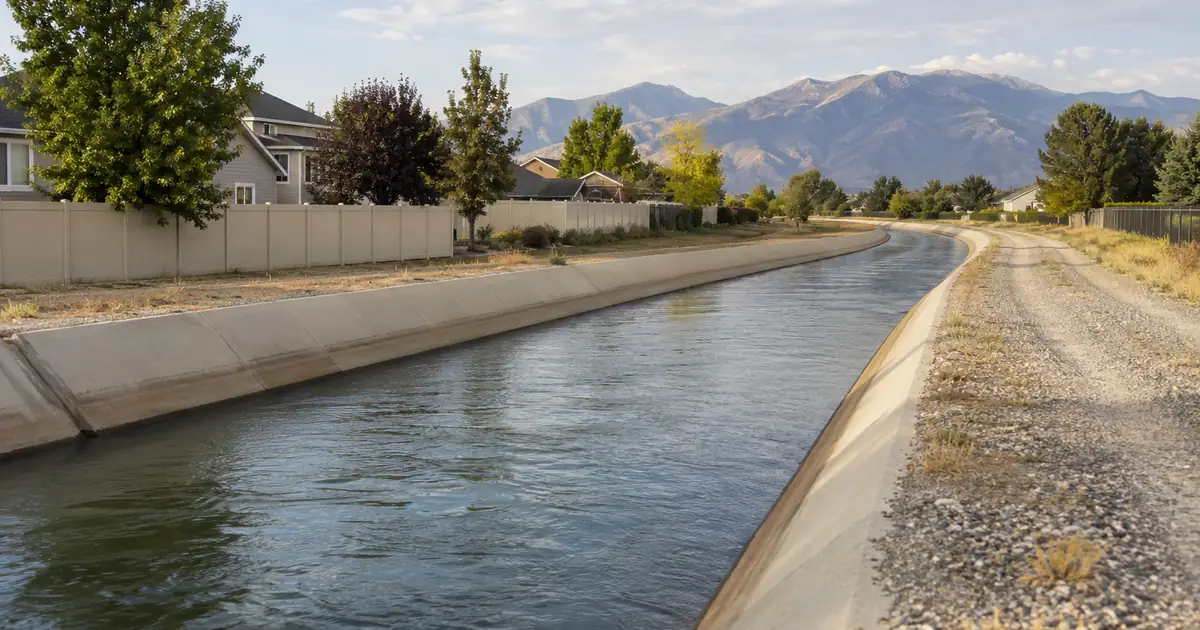
Continuing storyRichmond: irrigation rules, water rates and service limits
Developers building new subdivisions in Richmond no longer have to install a secondary irrigation system. The City Council adopted Ordinance 2026-02, amending Section 6.01 of the city's Manual of Design & Construction Standards, by a 5-0 vote on July 21, 2026. Councilmember Schumann made the motion and Councilmember Wood seconded it. [1]
City Recorder Justin Lewis told the council that a developer may install an irrigation system, but it would not be mandatory going forward. He said the change "will not apply to any existing development, only new development." Answering Councilmember Bair, he said a new system could be dedicated to the city, as water, sewer and roads are, if the city wants to take ownership. [1]
The April discussion
The proposal first came to the council on April 21, 2026, as a change removing the requirement that a secondary irrigation system be built in all subdivisions and dedicated to the city. Mr. Lewis said five subdivisions had been developed under the code and none had been connected to an operational irrigation water system, according to the posted minutes. He said the city was working toward a first operational connection. [2]
Mayor Jeff Young said the original ordinance was well-intended but had not been effective and that the city lacked the mechanism and funding to make connections. Councilmember Black urged caution about water shares, saying the city owns about 98 shares. Councilmember Draxler raised long-term connection costs and asked for more time, and Councilmember Bair raised liability and maintenance concerns. [2]
The council voted 5-0 to table the ordinance. [2]
The five subdivisions
The April and July minutes do not name the five subdivisions or describe who owns, maintains or supplies water to their irrigation lines. The council approved the July 21 minutes 5-0 on Aug. 19, 2026. [3]
The April 21, 2026 minutes are cited as posted to the Utah Public Notice Website; their signature block is blank.
Sources
- Richmond City Council · July 21, 2026 minutes utah.gov
- Richmond City Council · April 21, 2026 minutes (as posted) utah.gov
- Richmond City Council · Aug. 19, 2026 minutes utah.gov
Reporting by The Utah Ledger from the public records above. AI-assisted; paragraphs link to their sources.
No corrections or significant updates to this story. Report an error · Corrections log