Ephraim adopts backyard unit rules, a new R-1C zone and apartment density limits
The council approved two ordinances Nov. 4 on a 4-0 vote. They cap apartments at 15 units an acre and townhomes at 10, and allow detached backyard units only on larger lots with an owner living on site.
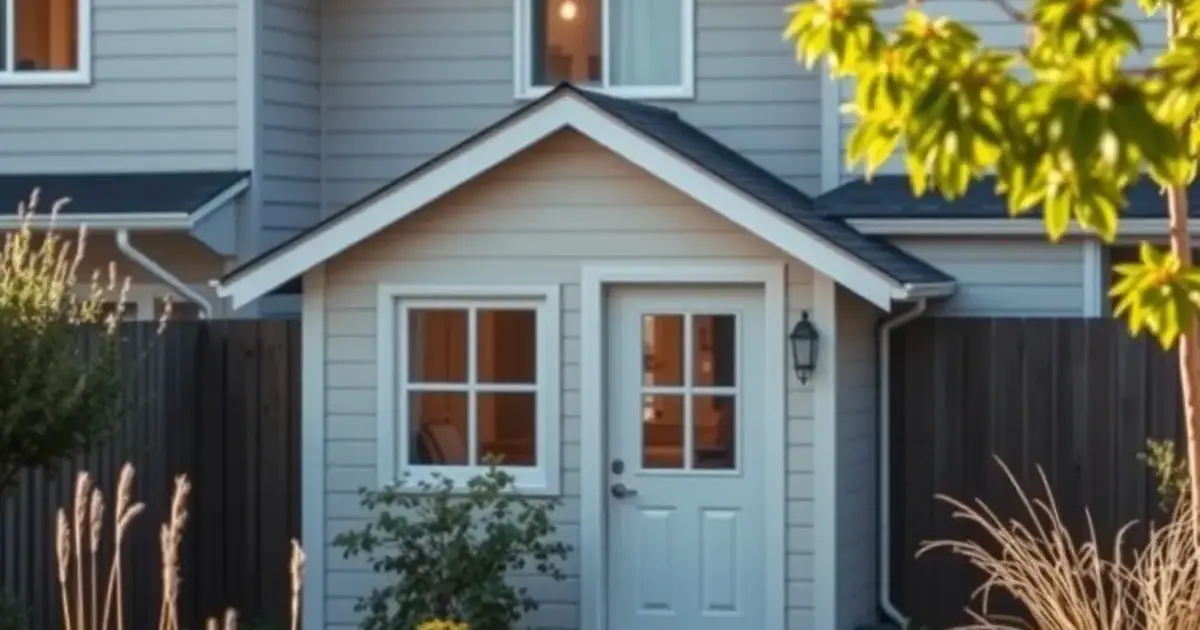
Detached backyard units in Ephraim now need a lot of at least 6,000 square feet, and apartments are capped at 15 units an acre. The City Council adopted both changes Nov. 4, according to the city's notice of adoption. [1] The council reviewed drafts of the changes at its Oct. 7 meeting.
Ordinance ECO 26-14 sets rules for internal and detached accessory dwelling units in all zones. Ordinance ECO 26-15 amends the R-1B zone, creates an R-1C zone and revises standards for multifamily development. [1] Council members Dennis Nordfelt, Loren Steck, Jack Dalene and Bud Powell voted for both, and Anthony Beal was absent, according to the signed ordinances. [3][4]
Backyard and basement units
Under the new rules, a lot may have one accessory unit, and the owner must live in either the main house or the unit, which may not be used as a short-term rental or rented for less than 30 days. Each unit needs two paved off-street parking spaces beyond those for the main house and may not have its own utility meters or sit on a property with a failing septic tank. [3]
Internal units, built inside a house, are not allowed on single-family lots under 5,000 square feet. Detached units are allowed outright on single-family lots of 11,000 square feet or more and need a conditional use permit on lots between 6,000 and 11,000 square feet. They are not allowed in the R-1B or R-1C zones or in multifamily housing. A detached unit can be no larger than half the main house's footprint or 1,200 square feet, whichever is smaller, no taller than the house or 25 feet, and a lot with one cannot be subdivided. The city could place a lien of up to $100 a day on a property whose unit breaks the rules. [3]
Density limits and the R-1C zone
The zoning ordinance limits townhomes to 10 units per acre and apartments and condominiums to 15 units per acre, and holds apartment buildings to 2.5 stories, or three stories in areas with the college overlay. [4]
The R-1B zone, a buffer between single-family and multifamily areas, keeps 3,000-square-foot lots with a cap of eight units per acre and requires developments of more than 3 acres to include at least three housing types. The new R-1C zone, also meant as a buffer, sets a 6,500-square-foot minimum lot. Multifamily developments of 3 acres or more could have no more than 60% of their units in one housing type, with a landscape buffer between types, and developments of 10 or more units must set aside amenities equal to 10% of the site on top of the 20% landscaping requirement. [4]
At the Oct. 21 meeting, when the council adopted related rules for homes in commercial zones, representatives of the Central Utah Home Builders Association and Central Utah Title urged the council to weigh how new limits could raise building costs and affect housing affordability, draft minutes show. [2]
Sources
- Ephraim City: notice of ordinance adoption, ECO 26-14 and ECO 26-15, Nov. 5, 2026 (Utah Public Notice Website) utah.gov
- Ephraim City Council packet, Nov. 4, 2026 (PDF) utah.gov
- Ephraim City: Ordinance ECO 26-14 as adopted (city archive) ephraim.gov
- Ephraim City: Ordinance ECO 26-15 as adopted (city archive) ephraim.gov
This story was written by AI from the report by Ephraim City, which has the full story. How we write stories.
No corrections or significant updates to this story. Report an error · Corrections log