White-tailed antelope squirrel
A small, daytime desert squirrel that runs with its tail curled over its back.
The white-tailed antelope squirrel is common in Utah's desert and shrubland, especially where vegetation is sparse. At Capitol Reef it is abundant at the lower elevations and active all year. Unlike its relatives that hibernate, it keeps working through winter.
It is mostly a daytime animal. In hot weather it may come out only in the morning and evening. Its diet is broad: seeds and green vegetation, insects, small vertebrates and carrion. When it runs, the tail is curled over the back and shows the white underside, which gives the species its name.
A flash of white from a running tail is a good clue, but it is not a foolproof test, since other squirrels also hold their tails in different ways. Check body size and habitat too. The rock squirrel shares much of this country and is larger and grayer. Watch from the trail and do not feed either one.
How to recognize it
Small desert squirrel; white underside of the tail shows when the tail is curled over the back as it runs.
Watching and staying safe
Look along desert washes and rocky slopes from the trail; do not feed squirrels.
Places the sources name
Related profiles
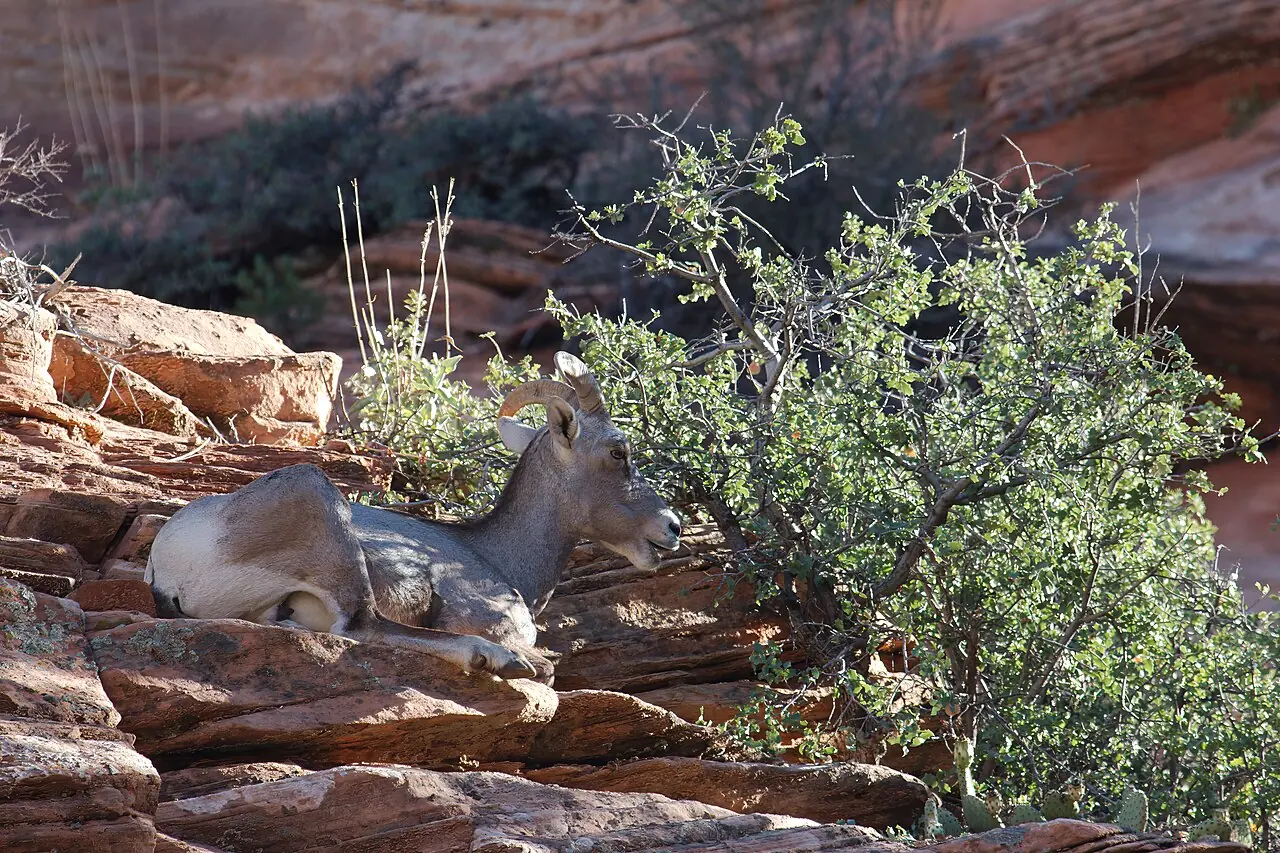
Desert bighorn sheep
Sure-footed sheep of the slickrock, restored to Zion after disappearing there.
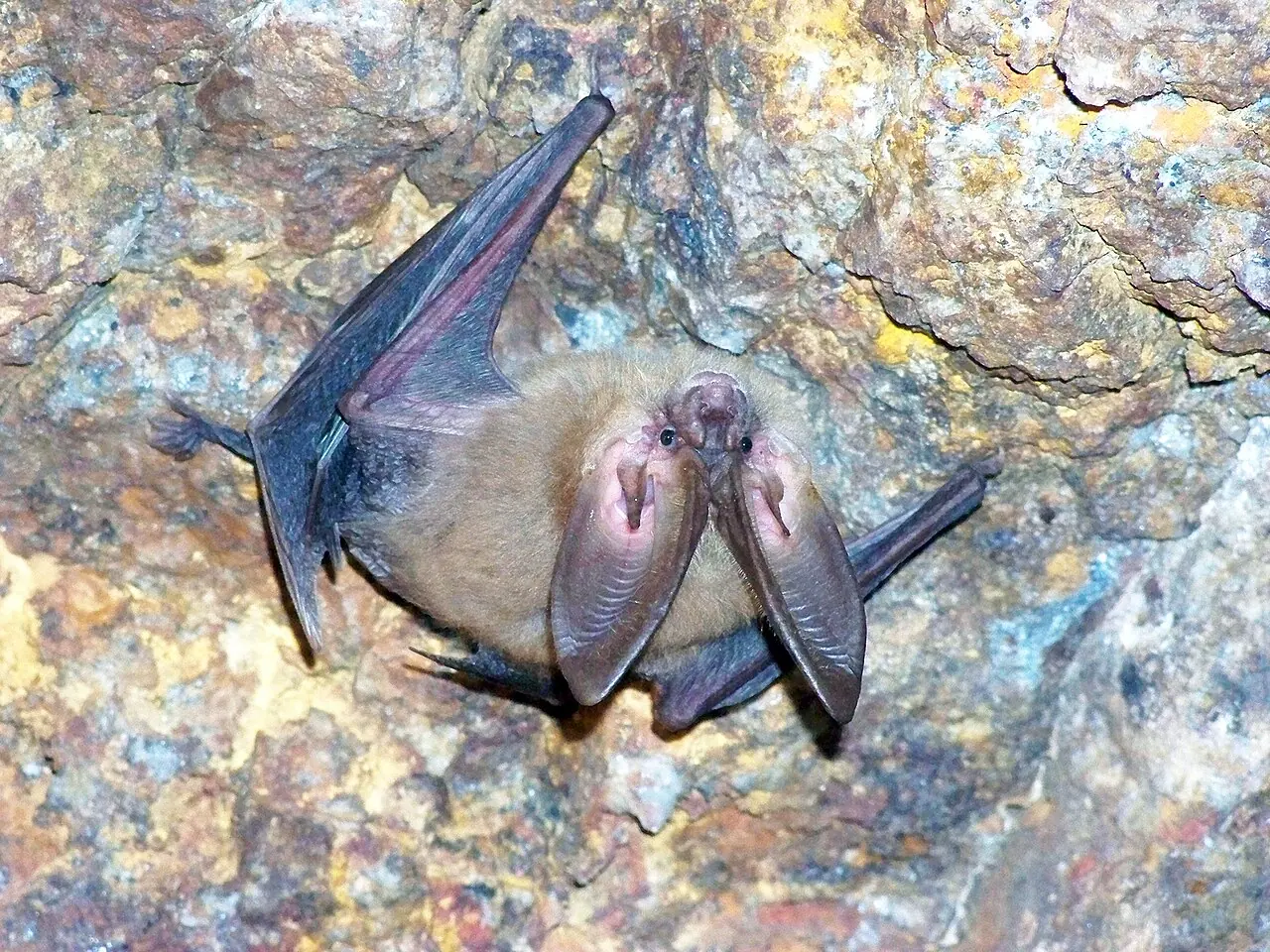
Bats
Insect-eating flying mammals whose lives depend on suitable roosts, water and a safe seasonal cycle.