Mule deer
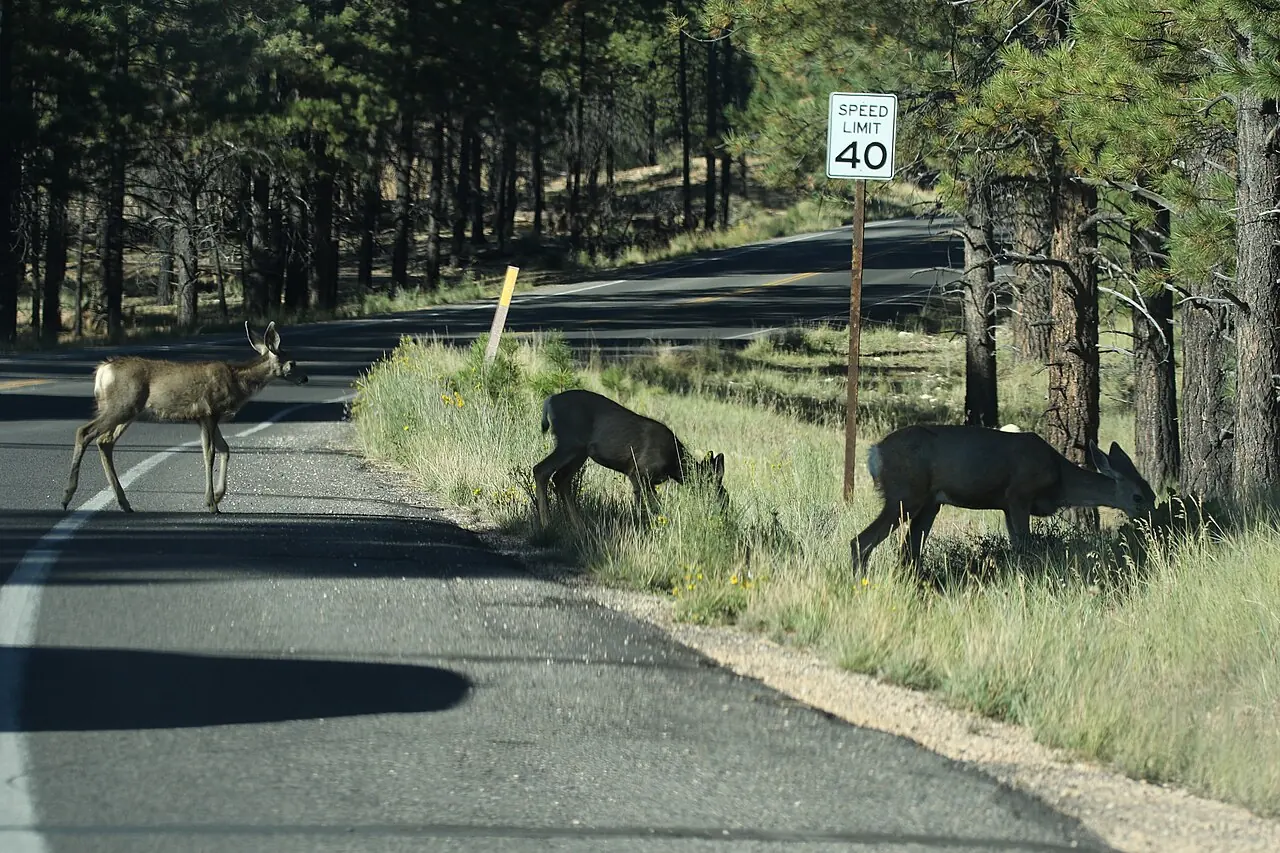
Found across Utah, from high mountains to city neighborhoods, and named for its large, mule-like ears.
Everything Utah, every day.
Help Utahns understand their communities and hold government accountable. Our mission →
A cobweb spider whose look changes between males, young females and adult females.
USU Extension says the adult female western black widow is shiny black with a red hourglass on the underside of the abdomen. Immature females are pale brown to black with white or orange bands and get darker with each molt. Males are about a third the size of females, pale brown with white markings, and resemble immature females.
Black widows prefer existing holes in dark, undisturbed places, hide by day and sit in their cobwebs at night. They are common around building foundations, rock and wood piles, outbuildings, water meter and irrigation boxes and outdoor lights. They eat insects and spiders.
USU lists the bite as a serious health risk, especially for children and older people. To reduce encounters, seal cracks, reduce clutter, vacuum webs and wear gloves when working in woodpiles or boxes. See a doctor or call Poison Control if bitten.
Glossy black spider with a red hourglass on the underside; juveniles and males are banded.
Wear gloves around woodpiles and meter boxes and do not poke at webs.

Found across Utah, from high mountains to city neighborhoods, and named for its large, mule-like ears.

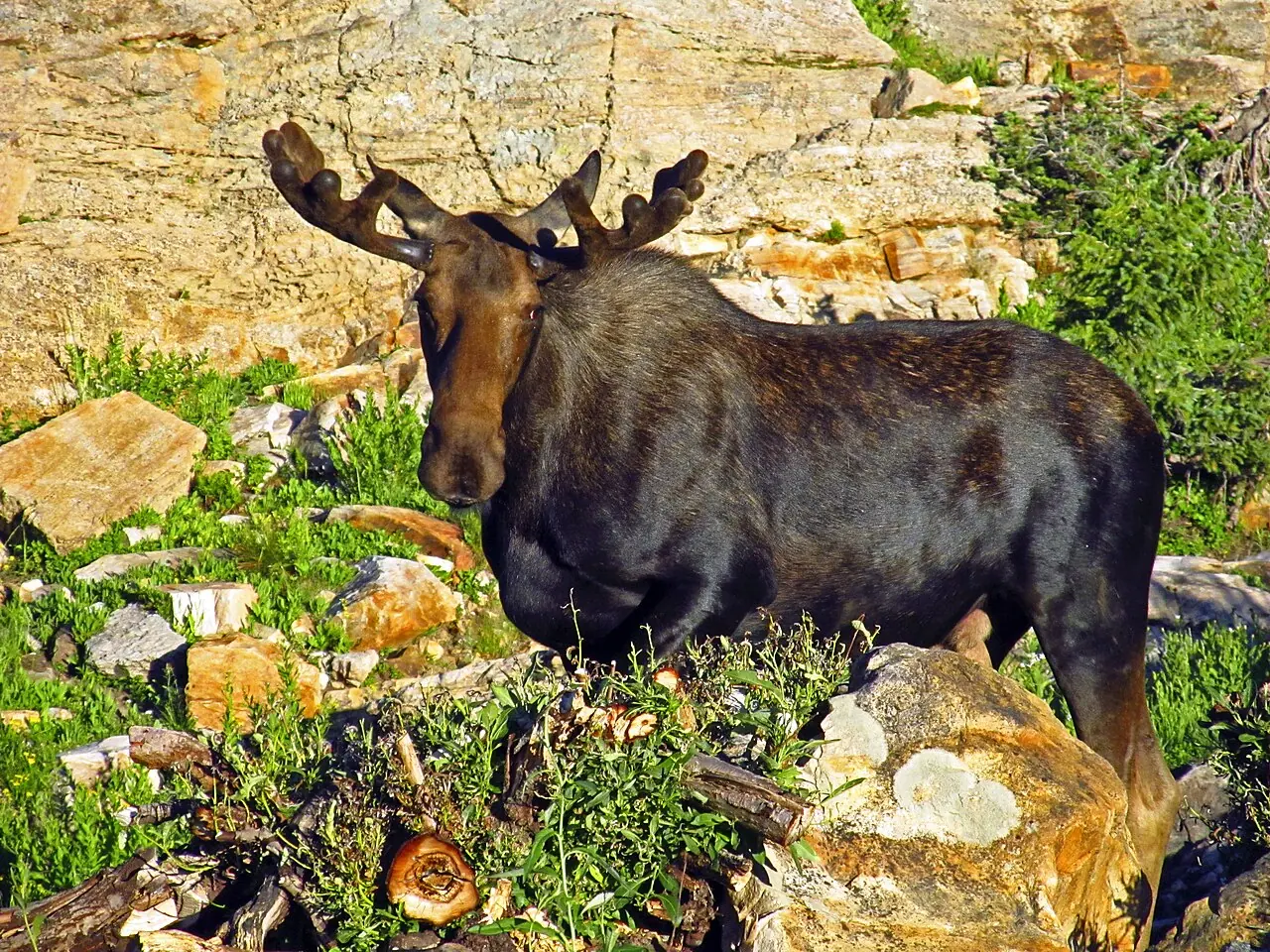
The largest member of the deer family in Utah, at home where northern mountain forest meets water.


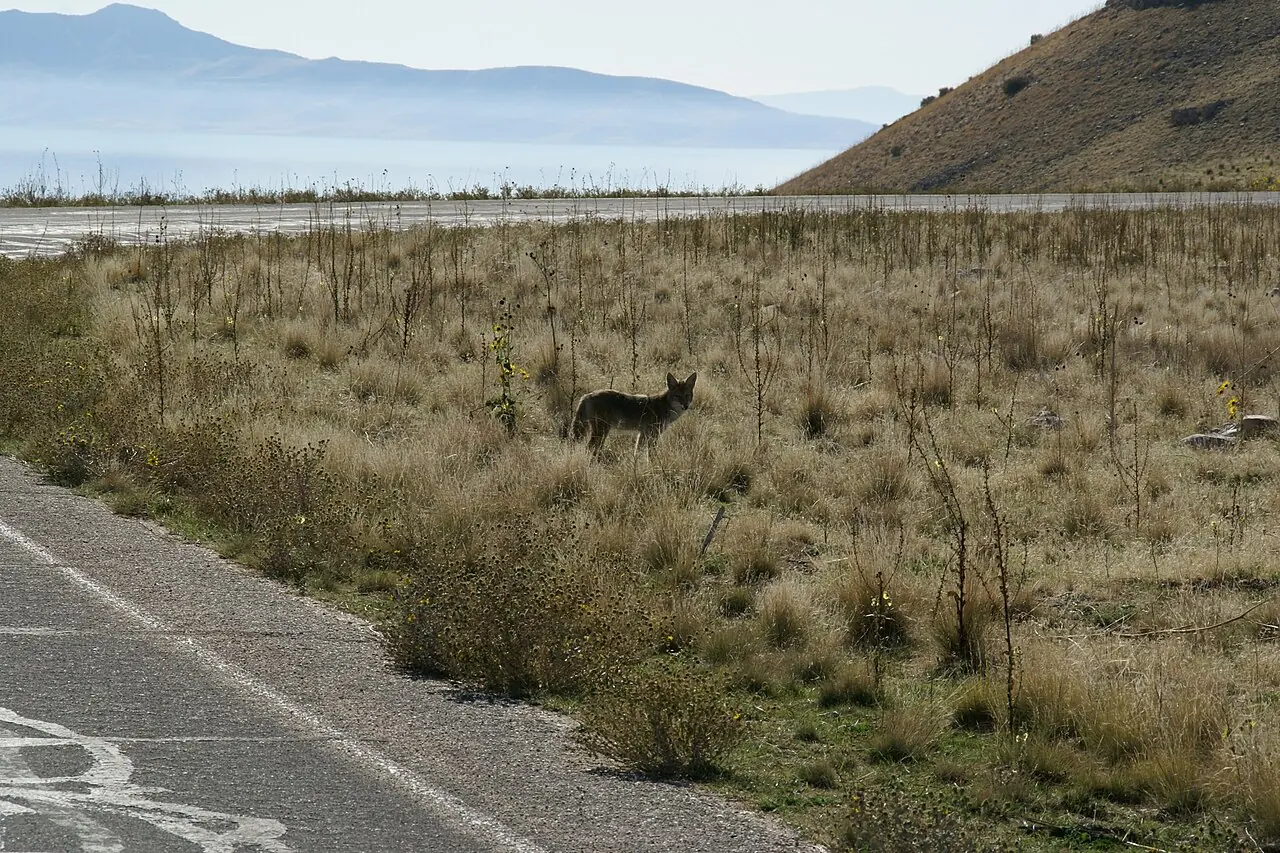
Common across Utah, including in cities, and an opportunist that will eat almost anything.