Published by Paul Ivinskas
Monday, October 26, 2026

Everything Utah, every day.

Help Utahns understand their communities and hold government accountable. Our mission →

Wildlife & plants · Invertebrates

Antlions and their sand pits

Insects whose larvae wait in sand pits or hide under litter, and whose winged adults look nothing like them.

Antlions belong to the family Myrmeleontidae. The larvae, sometimes called doodlebugs, have three pairs of legs and a flat head with sickle-like jaws that can inject venom into prey. Depending on the species and place, a larva hides under leaves or wood, or digs a pit in sandy ground and waits at the bottom for small insects, mainly ants.

The life cycle is long. Antlions develop in an egg, larva, pupa and adult sequence, and one generation may take two to three years. Larvae eat for about two years before making a cocoon of sand and silk, and the adults emerge after about four weeks and live about four more. Adults look more like damselflies but have longer, clubbed antennae, and are poor flyers active at night, attracted to lights.

Antlions prefer arid, sandy habitats. USU's fact sheet is dated 2008 and gives general life history, not a Utah species list, so a pit or larva you see cannot be named to one species without expert help. Look, but do not dig into pits or handle the larvae.
How to recognize it

Cone-shaped pits in loose sand, or damselfly-like adults with long clubbed antennae.

Watching and staying safe

Look at pits without digging in them or handling larvae.

Related profiles

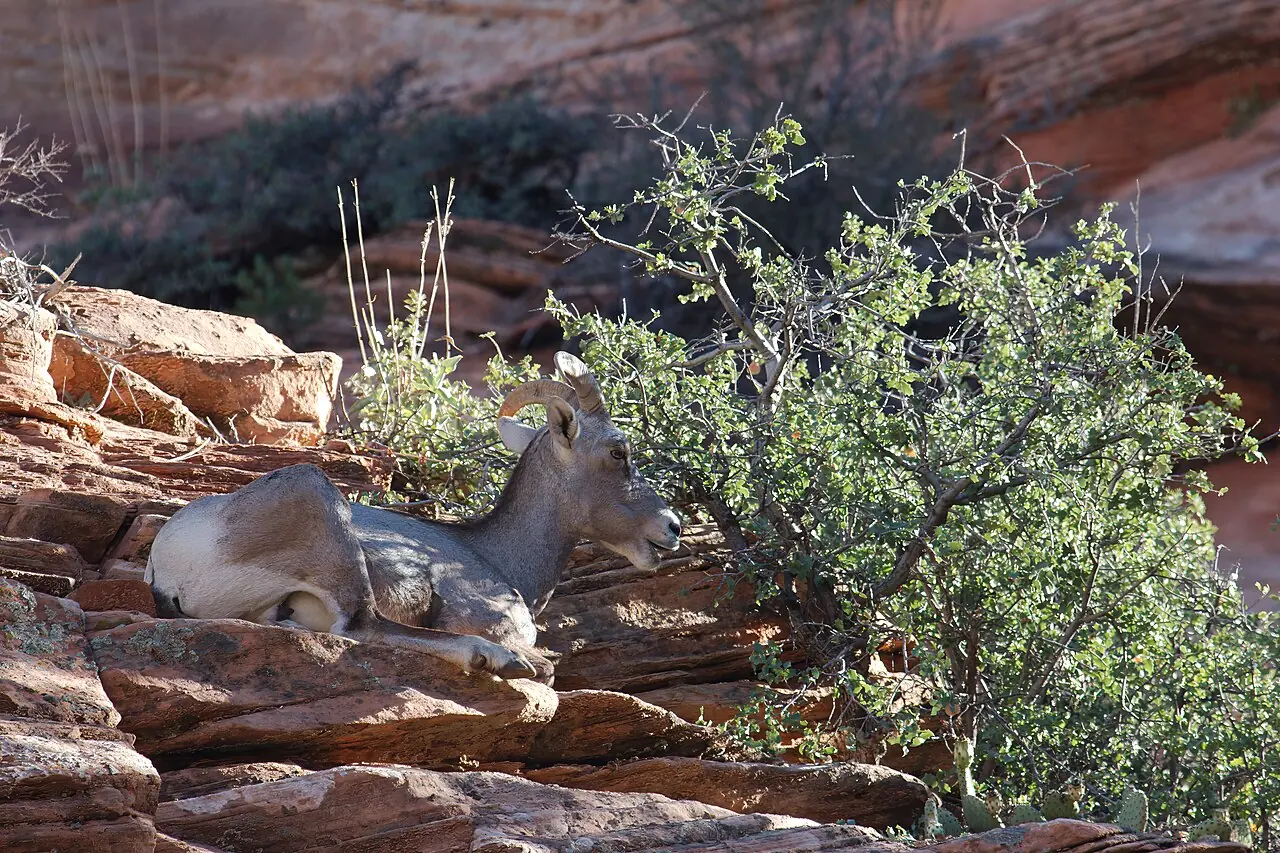
Desert bighorn sheep resting beside sandstone in Zion National Park
File photo: Desert bighorn sheep resting beside sandstone in Zion National Park (2014-09-22 10:34:38). Photo: ImagePerson · CC0 · Wikimedia Commons
Mammals

Desert bighorn sheep

Sure-footed sheep of the slickrock, restored to Zion after disappearing there.

Ovis canadensis nelsoni

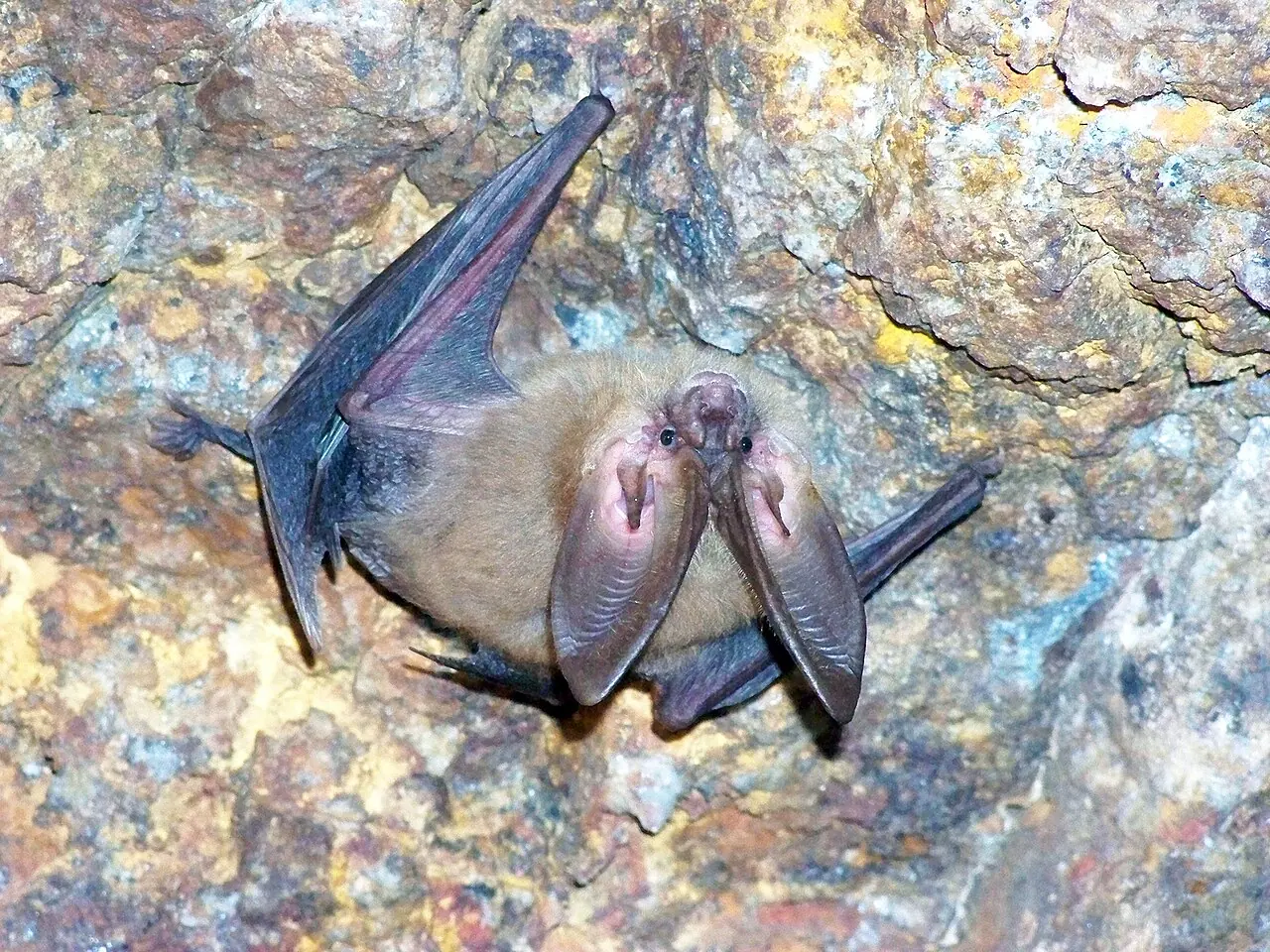
A Townsend’s big-eared bat hanging from rock
File photo: Townsend’s big-eared bat in Utah, BLM archive. One of the bat species found in the state. Photo: John Larson / BLM Utah · Public domain · Wikimedia Commons
Mammals

Bats

Insect-eating flying mammals whose lives depend on suitable roosts, water and a safe seasonal cycle.

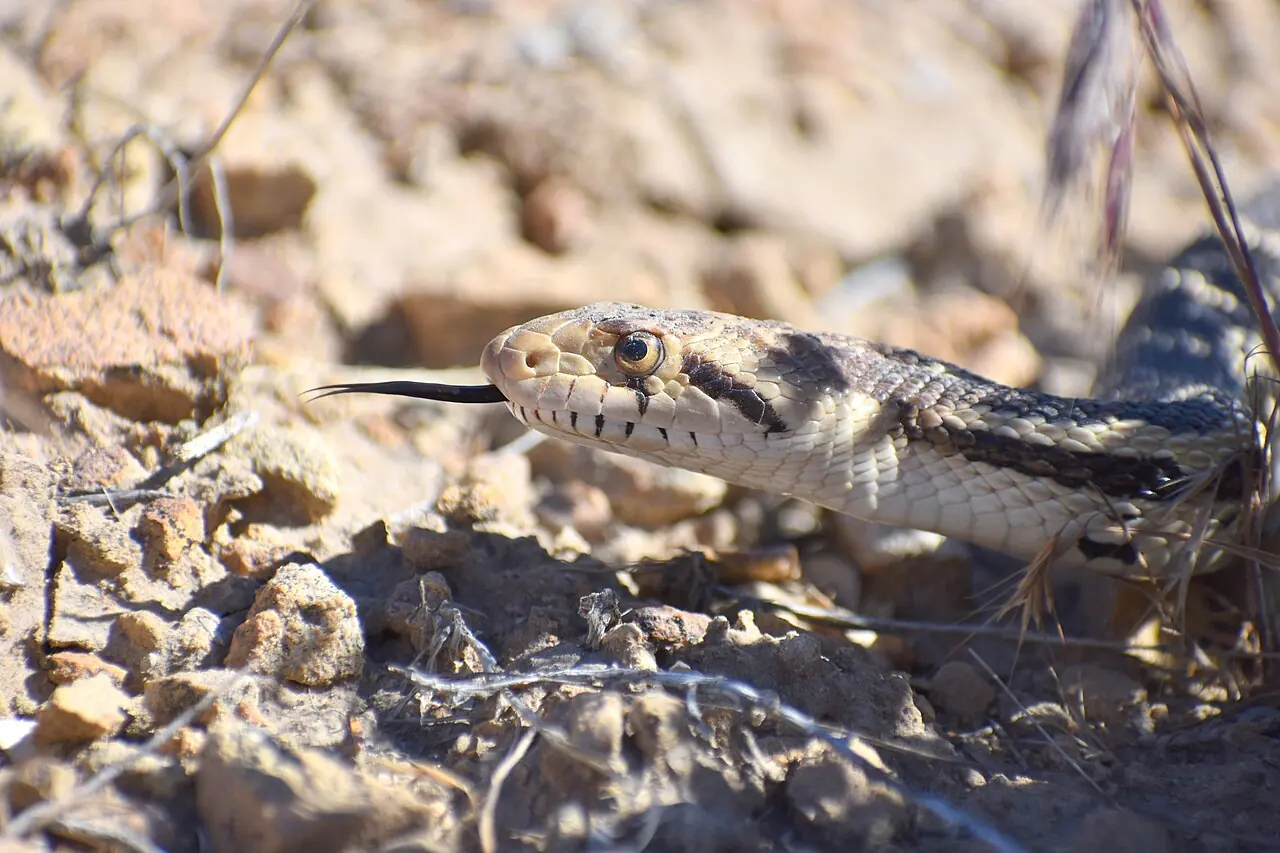
Close-up of a gopher snake on rocky ground
File photo: Gopher snake, Arches National Park archive, May 2017. One of Utah’s nonvenomous snake species. Photo: Marty Tow / National Park Service · Public domain · Wikimedia Commons
Reptiles

Snakes

A diverse group of native predators best appreciated without handling or close-range identification attempts.

Saved on this device. Statewide news and alerts remain available.