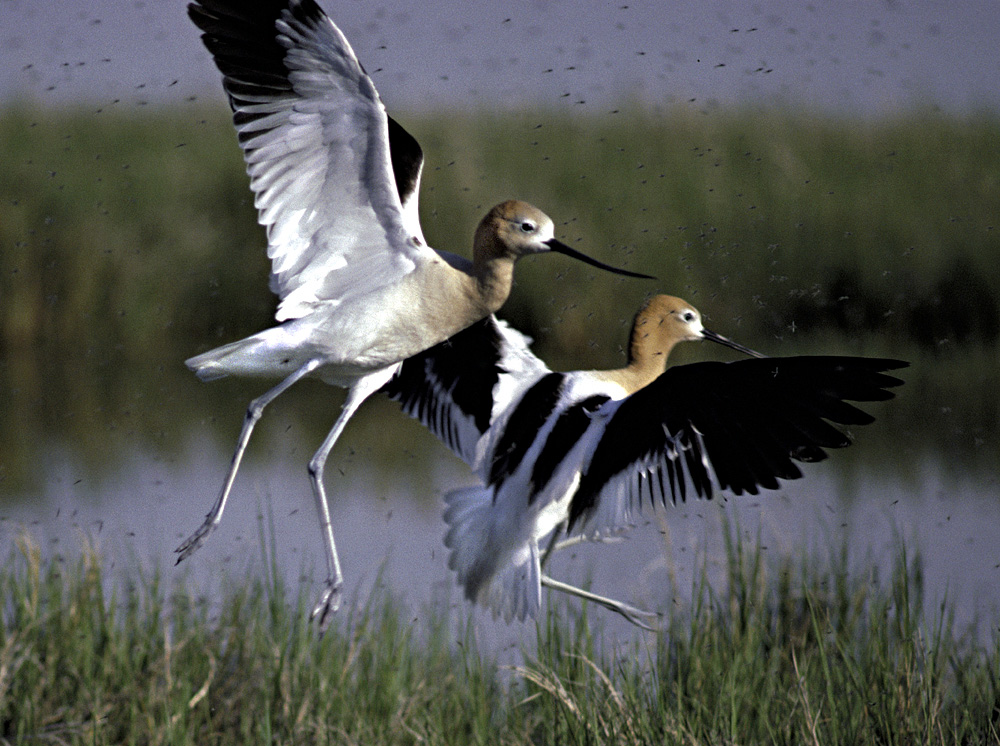
Bear River refuge birds
Read the refuge as a changing set of habitats, from shallow feeding flats to marsh cover and deeper water.
Everything Utah, every day.
Help Utahns understand their communities and hold government accountable. Our mission →
A small, pale plover that nests directly on open salt flats, where its camouflage is its main defense.
Pale sand-colored upperparts let a snowy plover vanish against a salt flat. Biologists now place it in the genus Anarhynchus, though many older Utah sources use Charadrius nivosus, so both names are searchable here. It picks small invertebrates from the ground and scrapes its nest into open, barren ground, usually with no shelter at all.
Research at Great Salt Lake followed 589 nests from 2003 to 2012. Predators caused most nest failures, and nests on bare flats survived less often than nests among vegetation or beside an object that broke up the shape of the nest. Nests near dikes also did worse. A Utah State University monitoring project that began in 2022 is studying how recreation affects nesting; its early results show that disturbance happens but that more years of data are needed before anyone can state the effect.
The Pacific coast population carries a federal listing of its own, and that status should not be assumed for birds at Great Salt Lake. What matters for a visitor is simpler: a quiet shoreline can be active nesting habitat even when nothing seems to move. Stay on marked routes, keep dogs away from shorelines and flats where plovers may nest, and do not search for nests.
Small plover with pale, sandy upperparts and a thin dark bill; the nest is a bare scrape on open ground.
The Great Salt Lake population has declined since the 1990s according to a state project summary; federal listing applies to the Pacific coast population, not to Utah birds as a whole.
View from established roads and viewpoints with a scope; avoid walking the open flats and shorelines where nests are invisible.

Read the refuge as a changing set of habitats, from shallow feeding flats to marsh cover and deeper water.

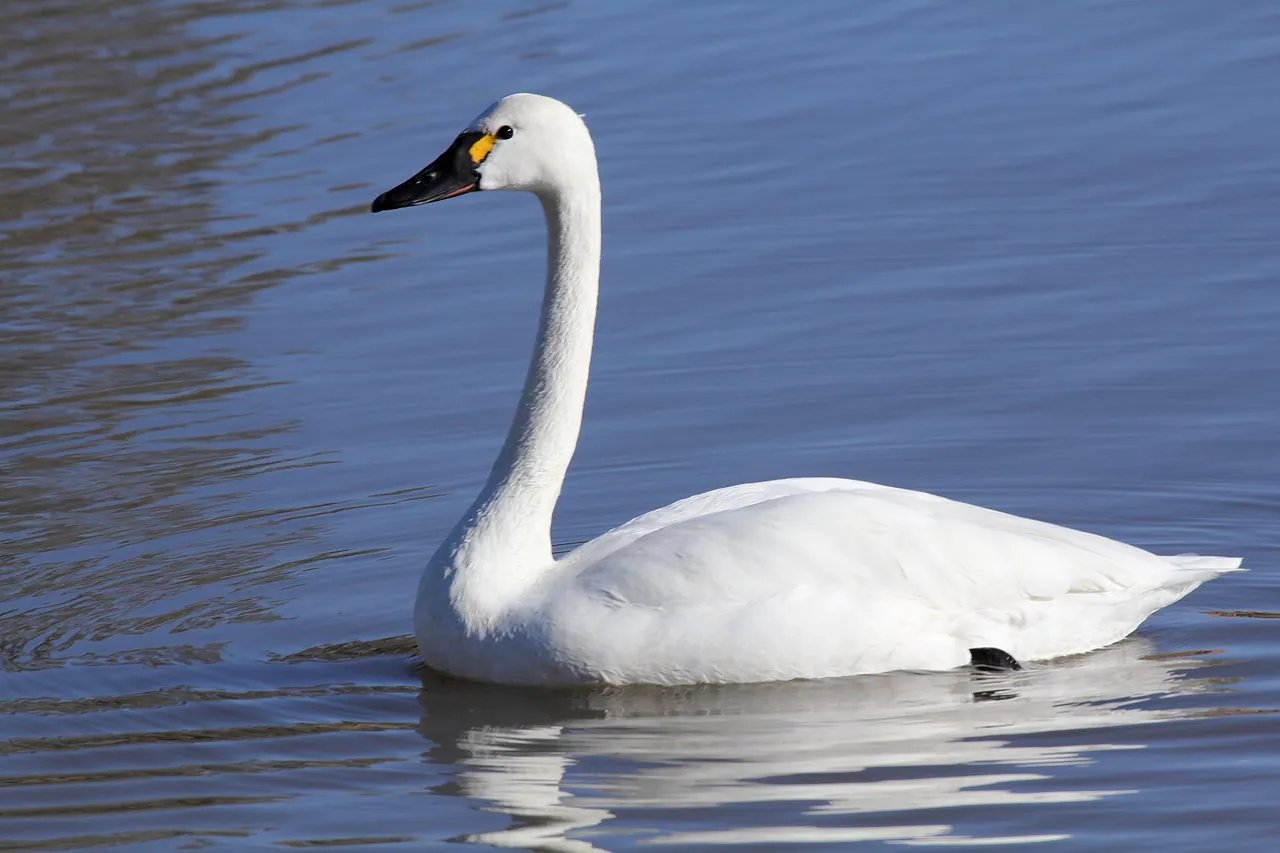
An upturned bill, blue-gray legs and a sweeping feeding motion make this wetland shorebird especially distinctive.

A large white migrant whose family groups link Utah's wetlands with Arctic nesting country.

Tiny crustaceans and insects carry energy from Great Salt Lake's microscopic producers to its birds.