Invertebrates
Utah wolf spiders
A family of ground-hunting spiders, whose females carry their young on their backs.
Everything Utah, every day.
Help Utahns understand their communities and hold government accountable. Our mission →
A shy burrowing tarantula whose males wander in late summer and fall.
The Natural History Museum of Utah says Aphonopelma iodius, sometimes called the Salt Lake County Brown, is Utah's most common tarantula. It is shy and slow-growing: males take about 10 years to mature and females can live around 25 years. The World Spider Catalog lists the name as accepted.
Tarantulas spend most of their lives underground. They line burrows with silk, wait just inside the entrance and pull in small prey that walks past. Females leave their burrows only if the burrow is destroyed. In late summer and early autumn, males leave in search of a mate, and that is when people may see them in the desert or foothills.
The museum says Utah's tarantulas do not bite defensively and are not dangerous, but their hairs can irritate skin and eyes. Leave a wandering tarantula alone; if you have to move one, wear gloves and use a container.
Large, hairy brown spider crossing open ground in late summer or fall.
Let wandering males pass and do not pick them up.
A family of ground-hunting spiders, whose females carry their young on their backs.
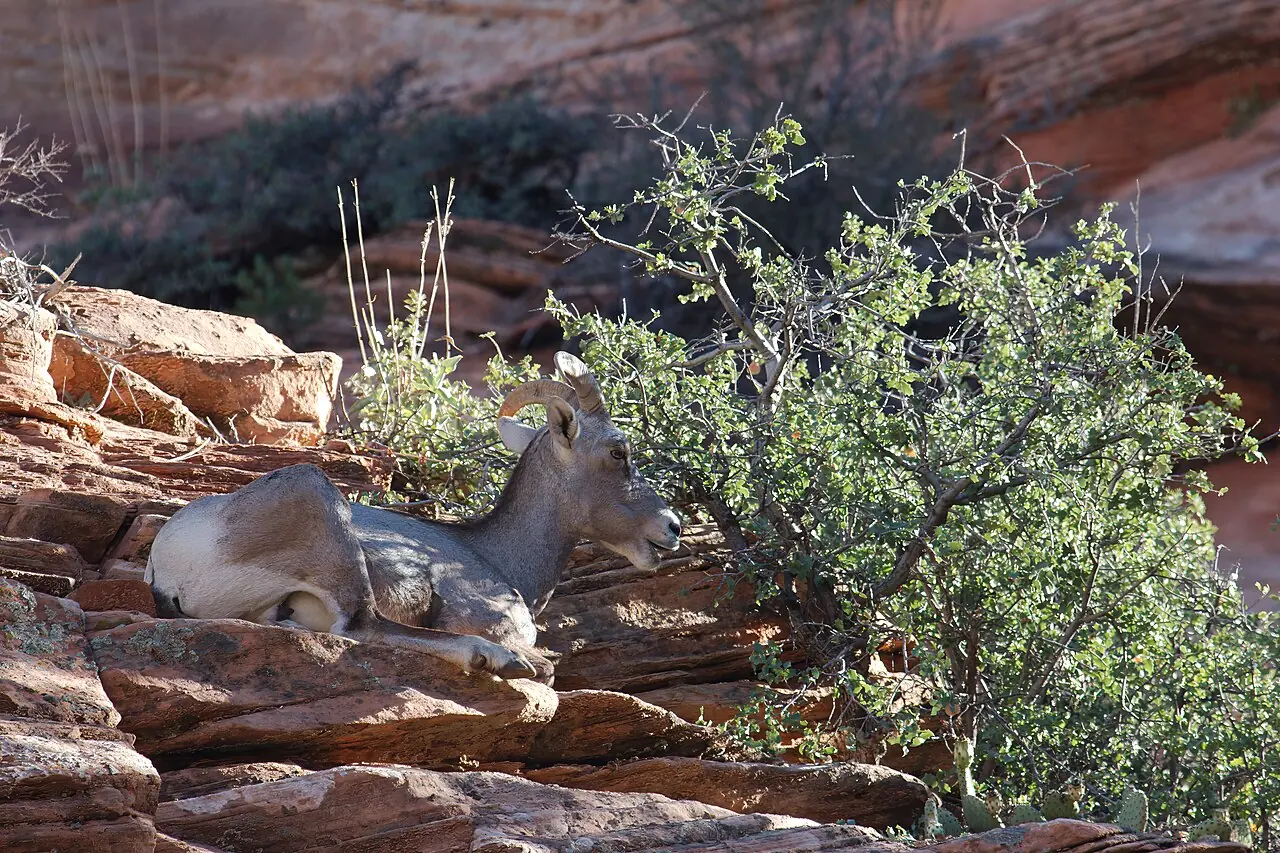
Sure-footed sheep of the slickrock, restored to Zion after disappearing there.
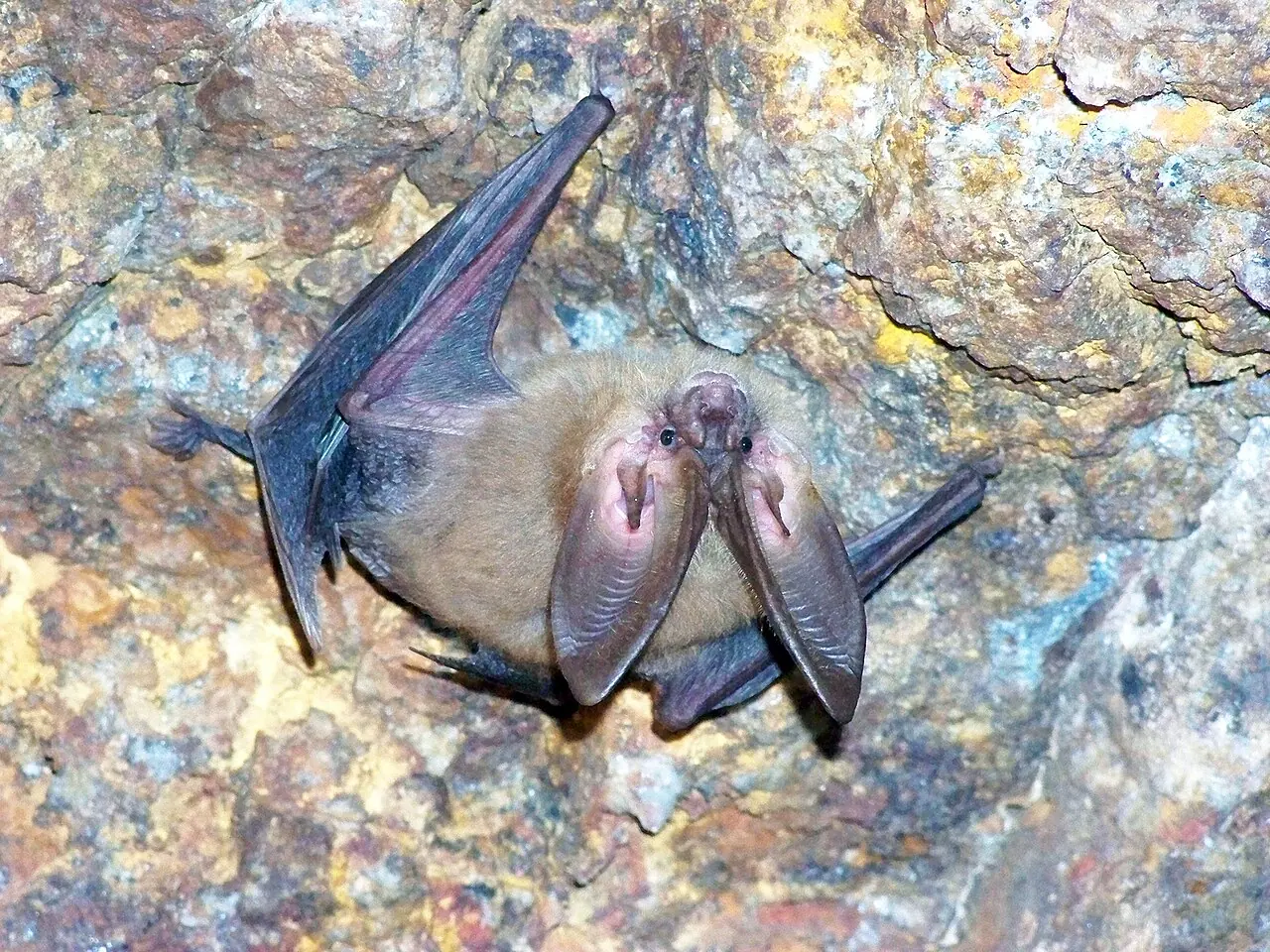
Insect-eating flying mammals whose lives depend on suitable roosts, water and a safe seasonal cycle.