Red-breasted nuthatch
A tiny, barrel-chested nuthatch of conifer forests that caches seeds.
NPS describes the red-breasted nuthatch as about 4.3 inches long, living in conifer forests of spruce, fir, pine and others. It is blue-gray with a black cap, a black eye stripe broken by a white stripe above, and rich rusty-cinnamon underparts, paler in females. The tail is very short and the body barrel-shaped.
In summer it eats beetles, caterpillars, spiders, ants and other arthropods; in fall and winter it eats conifer seeds, including seeds it cached earlier. It picks the heaviest food item available and, if the item is too large, jams it into bark and hammers it open.
Nuthatches are among the few non-woodpeckers that dig their own nest cavities. Its yank-yank call sounds like a tiny horn in the treetops, which is often the first clue. It is noticeably smaller than the white-breasted nuthatch.
How to recognize it
Blue-gray back, black cap, white eye stripe and rusty-cinnamon underparts.
Watching and staying safe
Listen for the nasal calls and scan conifer trunks and branches.
Places the sources name
Related profiles
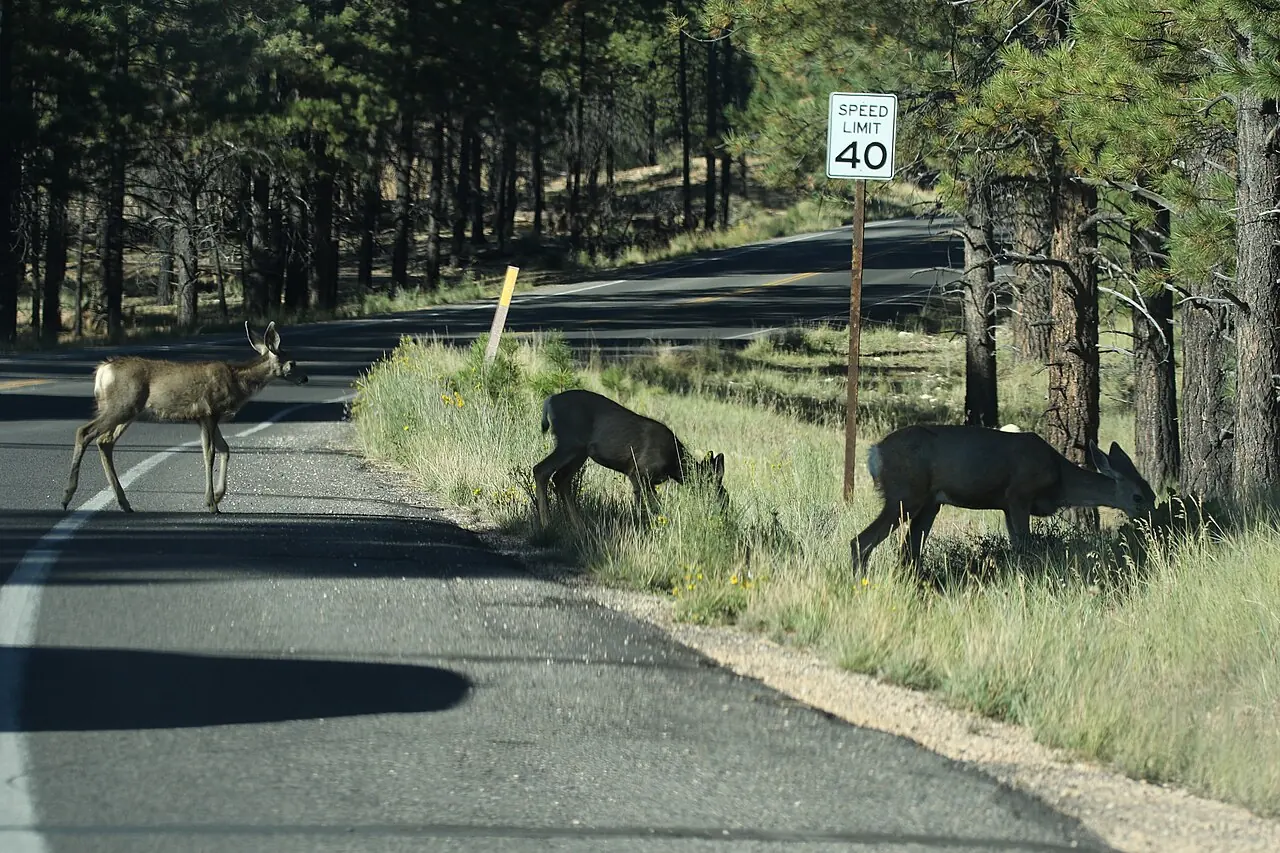
Mule deer
Found across Utah, from high mountains to city neighborhoods, and named for its large, mule-like ears.
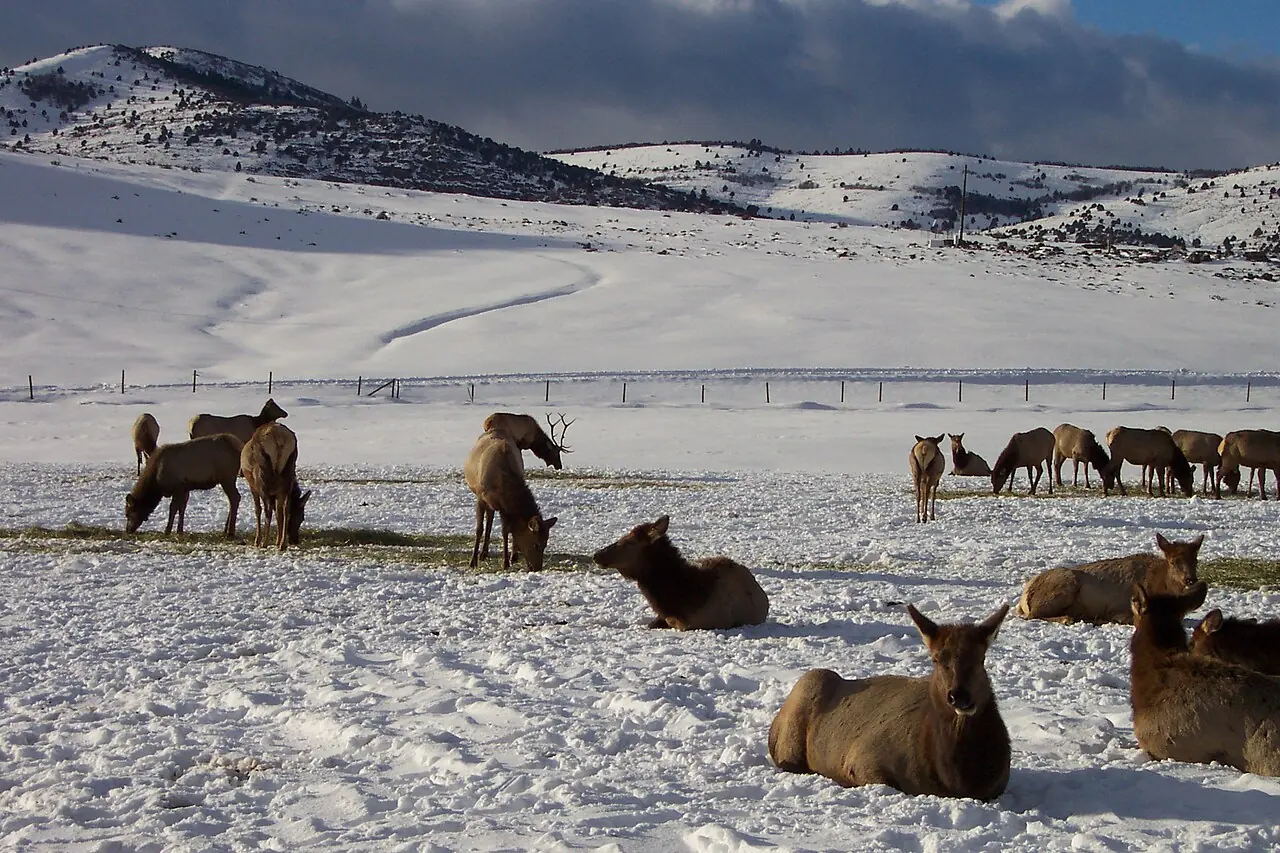
Rocky Mountain elk
Utah's state mammal, best known for the fall bugling of bulls during the rut.