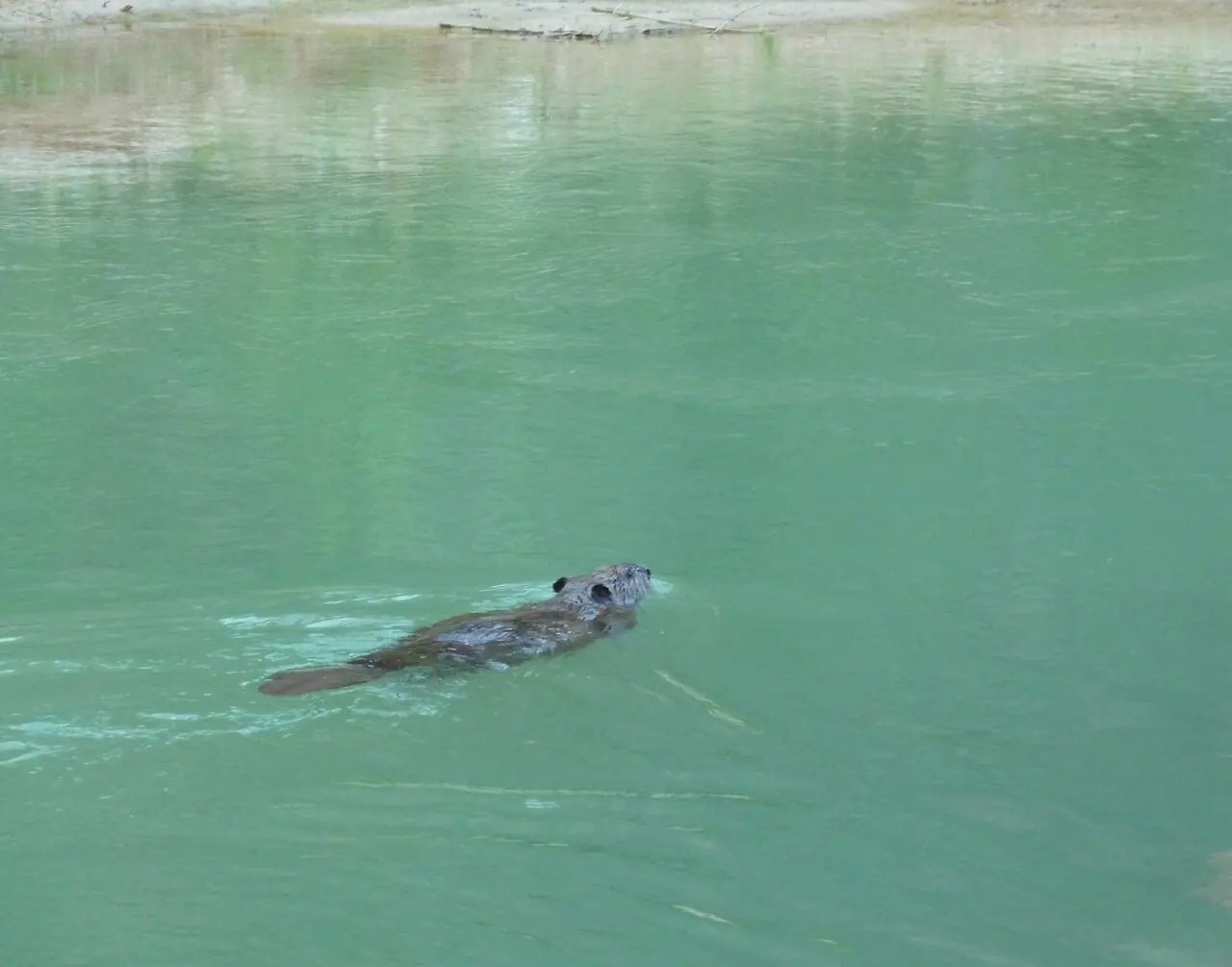
American beaver
A paddle-tailed rodent whose feeding and construction can transform a stream into a complex wetland.
Everything Utah, every day.
Help Utahns understand their communities and hold government accountable. Our mission →
A smaller, thin-tailed cousin of the beaver that builds lodges but not dams.
The Natural History Museum of Utah says the muskrat is most similar to the beaver and is told apart by its smaller size and relatively long, slender tail. It is locally common in watersheds along the Wasatch Front at low to mid elevations, living in streams, ponds and marshes.
Muskrats do not build dams, but they do make conspicuous lodges and swimming channels in marshes and tunnels and underground dens along streams. They are active year-round and generally nocturnal, though occasionally seen by day. They eat the leaves, stems and tubers of aquatic plants and also fish, crayfish and snails.
A brown head crossing a pond is not enough to name an animal. Wait until more of it shows, since the narrow tail separates a muskrat from the beaver's broad paddle. Watch from a bank or trail and do not walk into marsh vegetation or disturb lodges.
Smaller than a beaver, with a narrow tail.
Watch from a stable bank or trail; do not disturb lodges or enter marsh vegetation.

A paddle-tailed rodent whose feeding and construction can transform a stream into a complex wetland.
A streamlined swimmer reintroduced to northern Utah after being lost from much of its range.

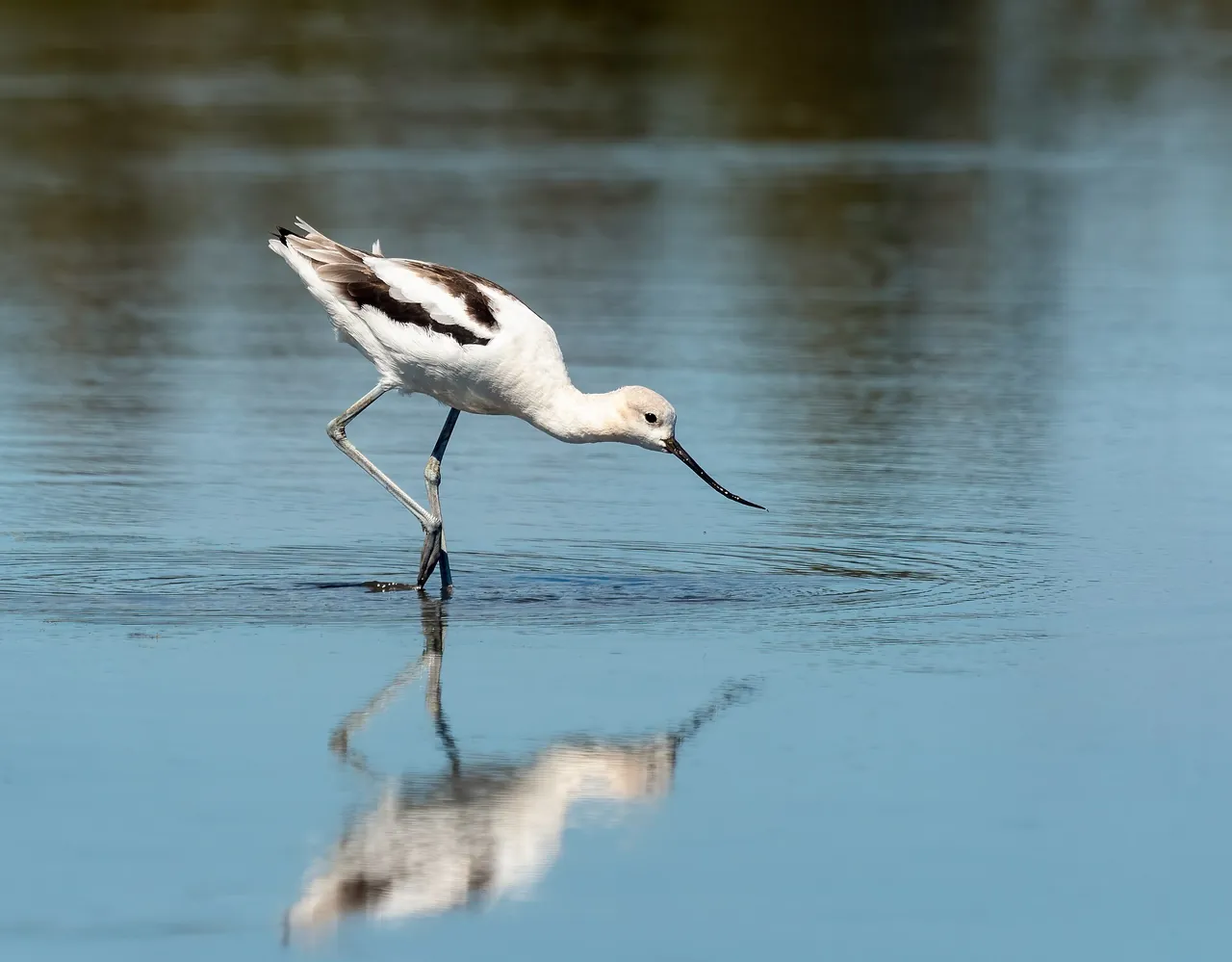
An upturned bill, blue-gray legs and a sweeping feeding motion make this wetland shorebird especially distinctive.

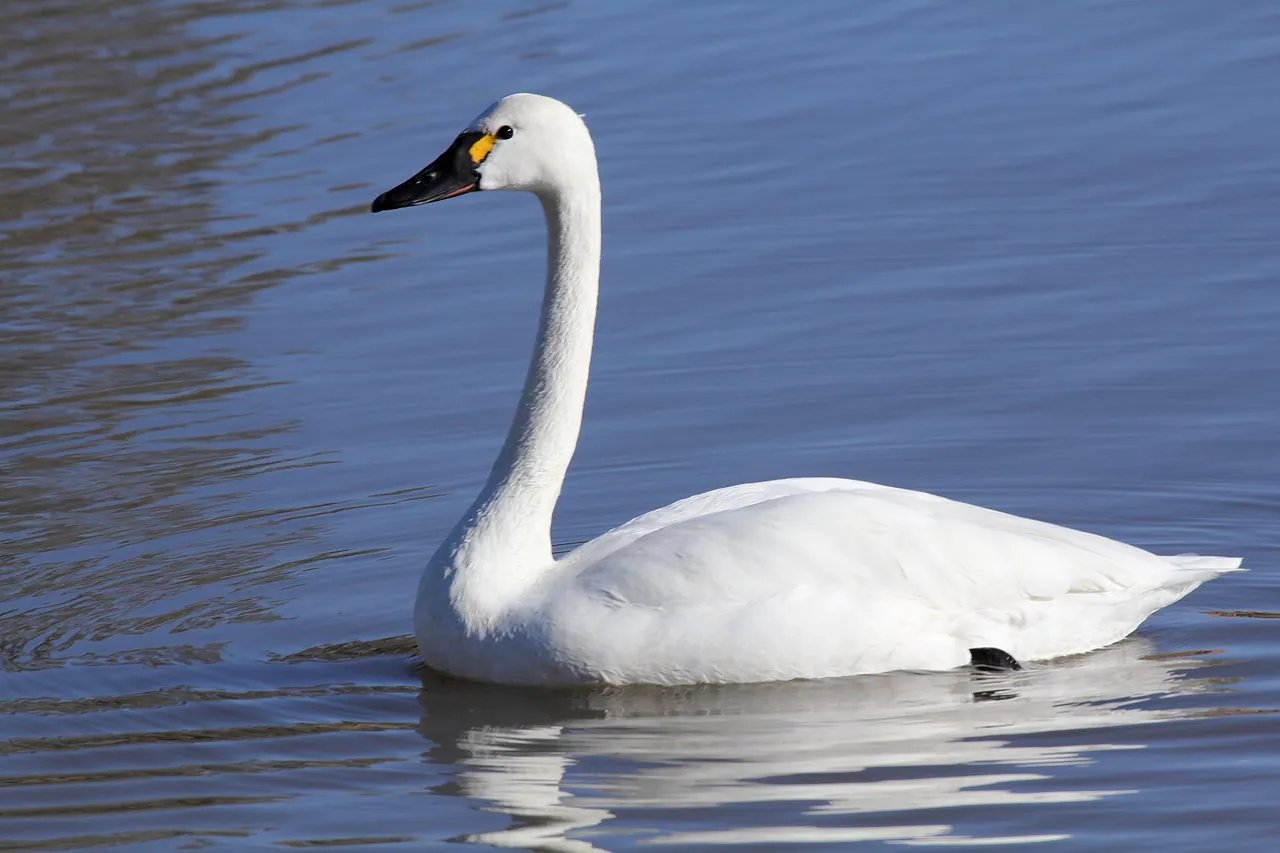
A large white migrant whose family groups link Utah's wetlands with Arctic nesting country.