Published by Paul Ivinskas
Tuesday, October 27, 2026

Everything Utah, every day.

Help Utahns understand their communities and hold government accountable. Our mission →

Wildlife & plants · Invertebrates

Mormon cricket

A flightless relative of katydids that sometimes forms moving bands.

Mormon crickets are not true crickets. UC IPM says they are closer to katydids and longhorned grasshoppers. Adults are about an inch long, heavy-bodied and tan. The wings are small and useless, so they cannot fly, and the female has a sword-shaped egg-laying organ about as long as her body.

The insects pass the winter as eggs in barren, sandy soil in sunny places. Eggs hatch in the first warm days of spring, and the nymphs go through seven stages in about 75 to 100 days. They are active only in warm sunny hours and shelter at night and in cloudy or rainy weather.

About half grown, they begin to migrate from rangeland breeding grounds, and in years with high numbers they can damage crops in their path. UC IPM says that happens sporadically, about once or twice a decade. Check Utah Department of Agriculture and Food notices for current seasons.

How to recognize it

Heavy-bodied, wingless, tan insect about an inch long.

Watching and staying safe

Look for them on warm days on rangeland; never handle crickets that may have been sprayed.

Related profiles

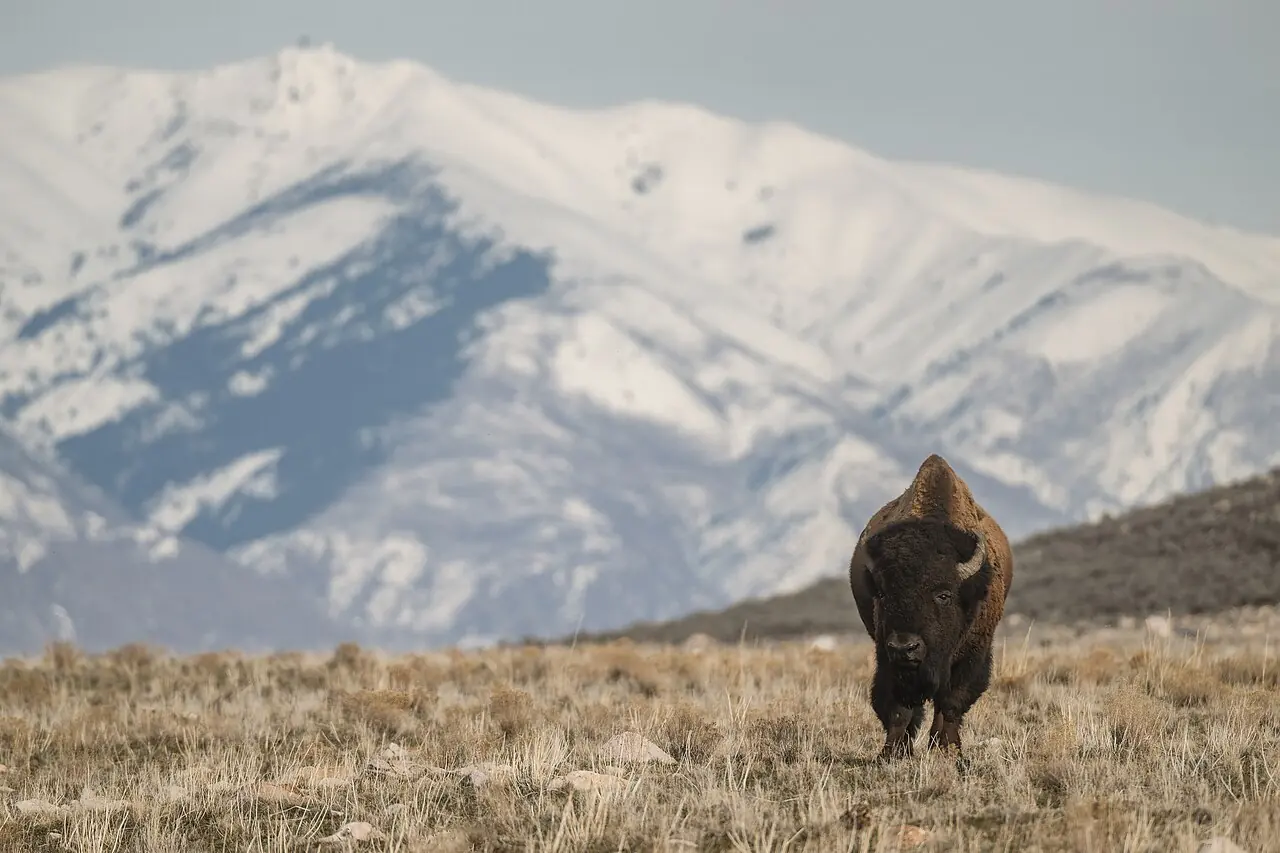
A bison on Antelope Island with snowy Wasatch Mountains behind it
File photo: A bison on Antelope Island with snowy Wasatch Mountains behind it (Taken on 18 March 2023, 19:26:38). Photo: Eric Kilby · CC BY-SA 2.0 · Wikimedia Commons
Mammals

American bison

North America's largest land animal, with wild herds on Antelope Island, in the Henry Mountains and in the Book Cliffs.
Bison bison

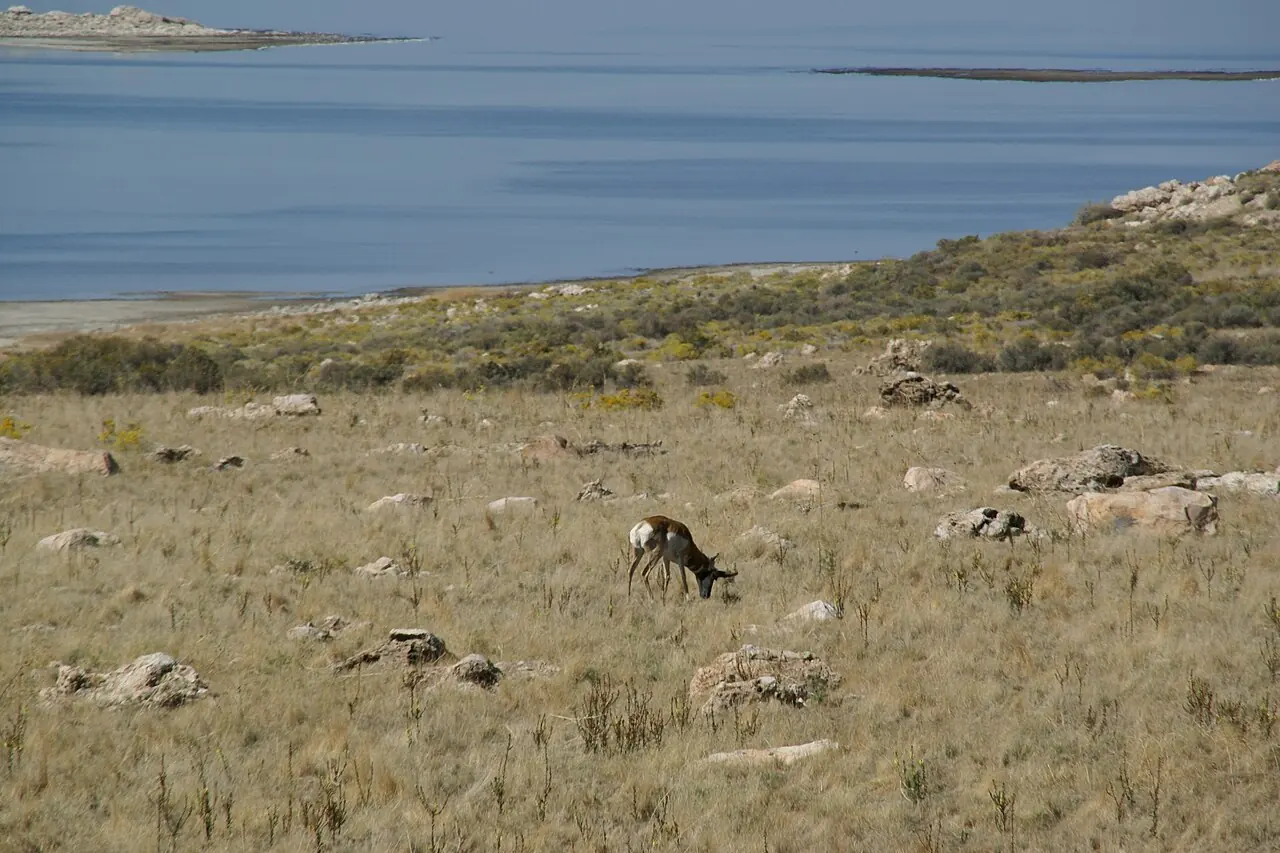
Pronghorn grazing on Antelope Island above Great Salt Lake
File photo: Pronghorn grazing on Antelope Island above Great Salt Lake (2012-10-01 11:29:47). Photo: Hermann Luyken · CC0 · Wikimedia Commons
Mammals

Pronghorn

An open-country specialist with a white rump, unusual shedding horn sheaths and a need for connected habitat.

Antilocapra americana

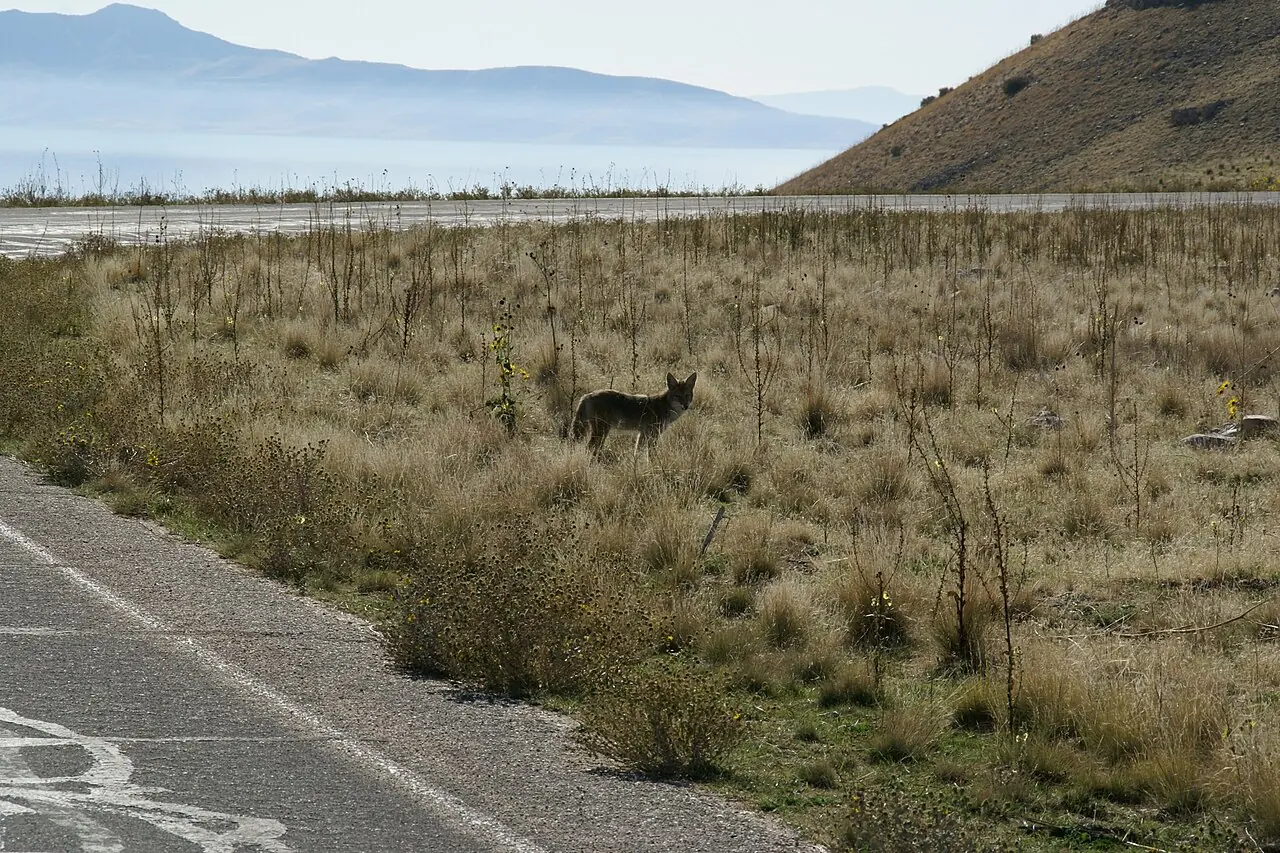
A coyote beside a road on Antelope Island
File photo: A coyote beside a road on Antelope Island (2012-10-01 15:05:31). Photo: Hermann Luyken · CC0 · Wikimedia Commons
Mammals

Coyote

Common across Utah, including in cities, and an opportunist that will eat almost anything.

Saved on this device. Statewide news and alerts remain available.