Published by Paul Ivinskas
Monday, October 26, 2026

Everything Utah, every day.

Help Utahns understand their communities and hold government accountable. Our mission →

Wildlife & plants · Birds

Greater roadrunner

A fast-running desert cuckoo that eats lizards, rodents and even rattlesnakes.

The greater roadrunner is a bird of the American Southwest's deserts and a member of the cuckoo family. Zion National Park says it can run about 15 miles per hour, faster in short bursts while hunting. Its long tail, strong legs and low running posture make it look like no other bird.

It is a predator, taking insects, lizards, rattlesnakes, rodents and small birds. Roadrunners usually nest above ground on platforms of sticks and other plant material, and both parents feed the young. Zion's page is brief, so this profile limits itself to those points and does not map the bird across Utah.

Southern Utah's desert offers suitable habitat, but a roadrunner can be hard to find. Watch quietly from established paths. Do not chase one into cover, do not bait it and do not stop suddenly on a roadway to look for it.

How to recognize it

Long tail, strong legs and a low running posture; usually on foot rather than in flight.

Watching and staying safe

Keep to paths and pullouts; do not bait, chase or follow it into brush.

Places the sources name

Examples from the sources, not a complete range or a sighting guide.

Related profiles

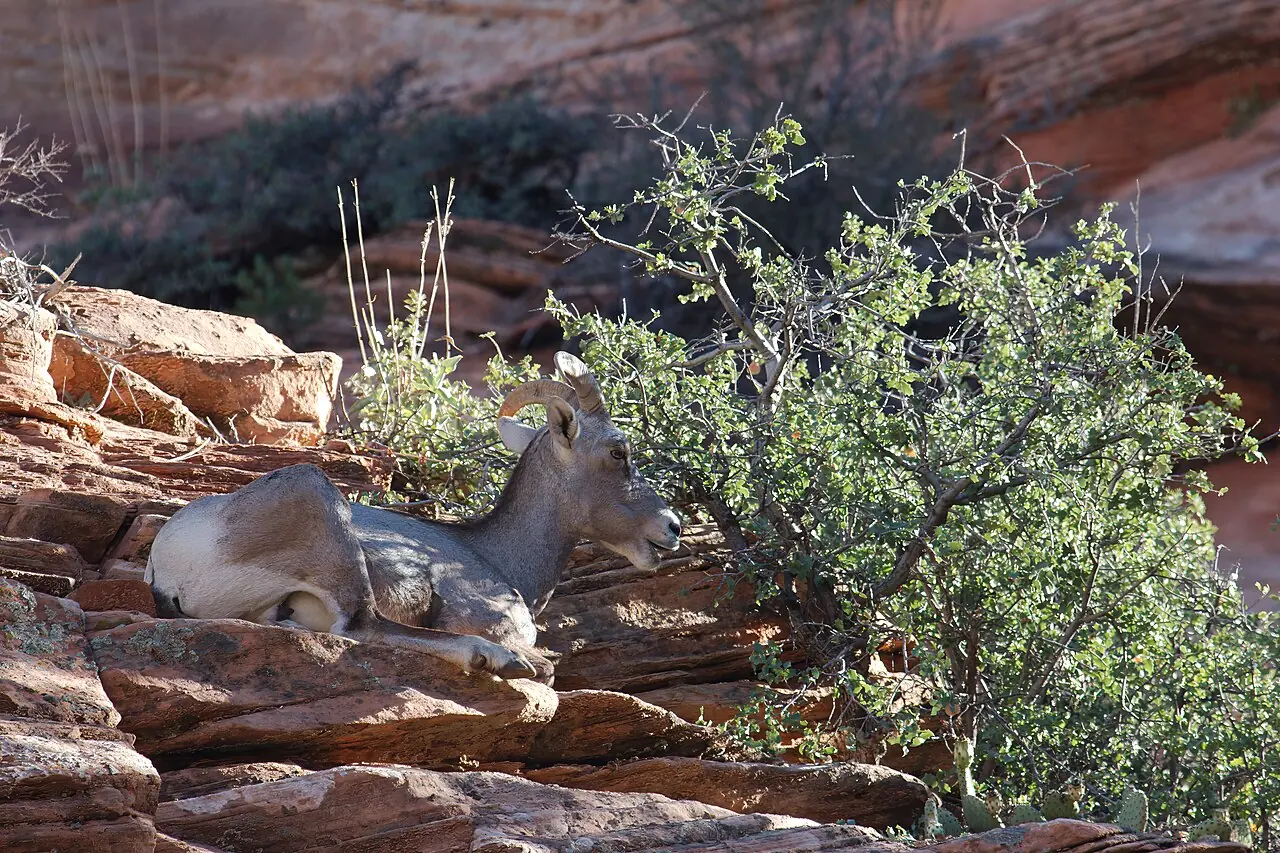
Desert bighorn sheep resting beside sandstone in Zion National Park
File photo: Desert bighorn sheep resting beside sandstone in Zion National Park (2014-09-22 10:34:38). Photo: ImagePerson · CC0 · Wikimedia Commons
Mammals

Desert bighorn sheep

Sure-footed sheep of the slickrock, restored to Zion after disappearing there.
Ovis canadensis nelsoni

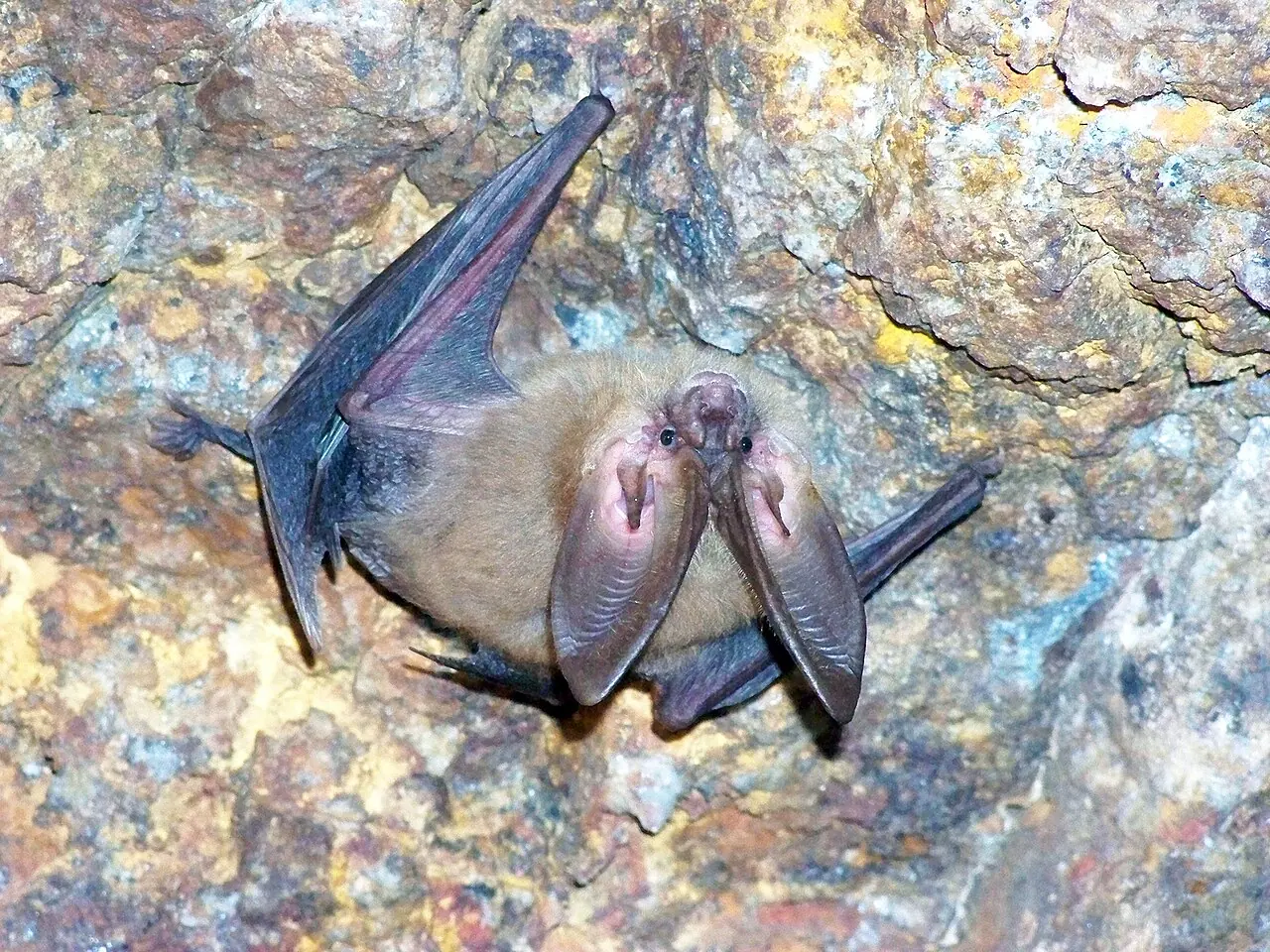
A Townsend’s big-eared bat hanging from rock
File photo: Townsend’s big-eared bat in Utah, BLM archive. One of the bat species found in the state. Photo: John Larson / BLM Utah · Public domain · Wikimedia Commons
Mammals

Bats

Insect-eating flying mammals whose lives depend on suitable roosts, water and a safe seasonal cycle.

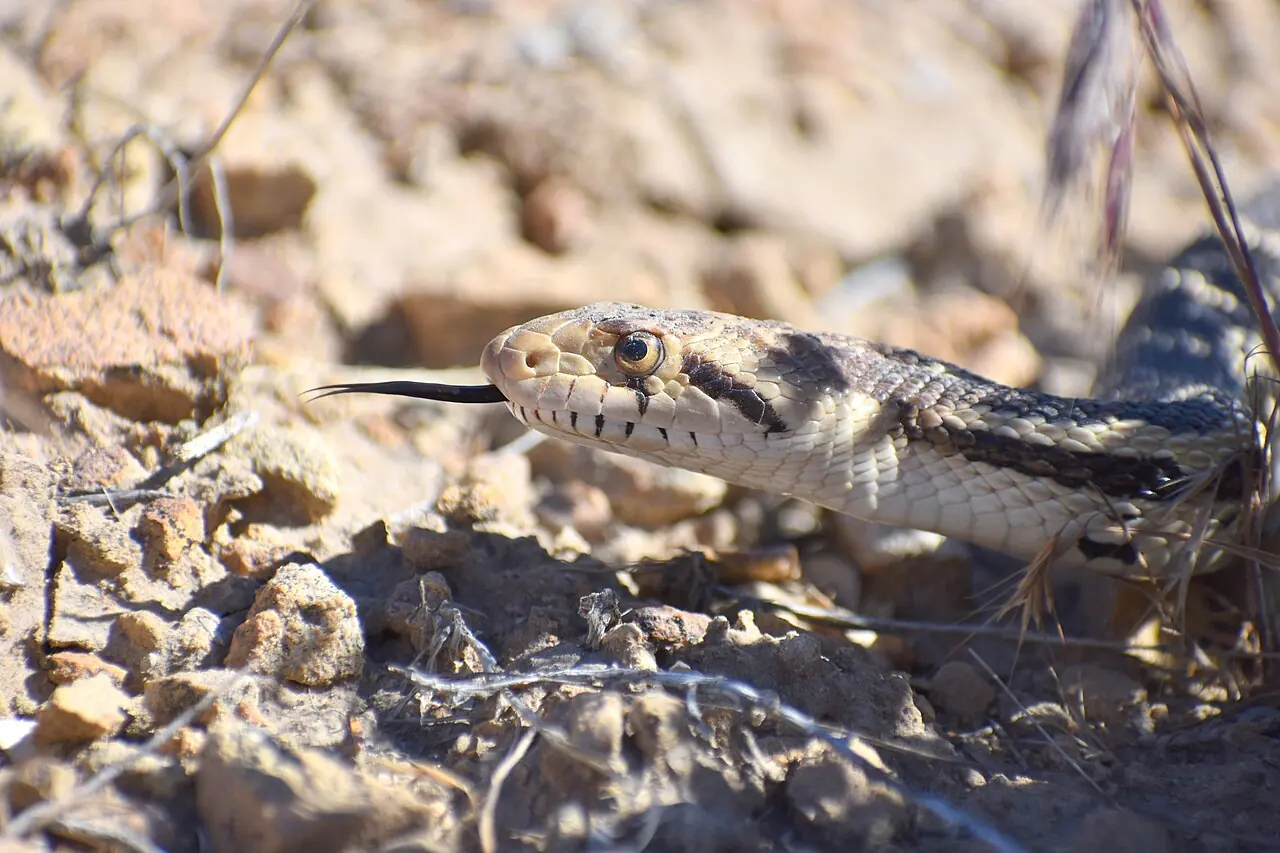
Close-up of a gopher snake on rocky ground
File photo: Gopher snake, Arches National Park archive, May 2017. One of Utah’s nonvenomous snake species. Photo: Marty Tow / National Park Service · Public domain · Wikimedia Commons
Reptiles

Snakes

A diverse group of native predators best appreciated without handling or close-range identification attempts.

Saved on this device. Statewide news and alerts remain available.