Published by Paul Ivinskas
Monday, October 26, 2026

Everything Utah, every day.

Help Utahns understand their communities and hold government accountable. Our mission →

Wildlife & plants · Amphibians

Great Basin spadefoot

A small, round toad with gold eyes and a built-in spade on each hind foot.

Zion describes the Great Basin spadefoot as a small, rotund toad, gray or olive-green, with large golden-yellow eyes that have vertical pupils. A bump between the eyes shapes the head, and the skin is bumpy but less warty than that of a western toad. Adults measure about 4 to 6.5 centimeters.

The name comes from a small, black spade on the first toe of each hind foot, hardened tissue that helps the toad dig shelter. A spadefoot sitting still looks like a pebble, which helps it avoid predators. Like Zion's other amphibians, it must return to water to breed.

Older references spell the name Spea intermontanus, and the current Zion page uses Spea intermontana; that is one species with one page. Look without handling, and leave pools and loose ground undisturbed. The spade is a curiosity and not a reason to pick the animal up.

How to recognize it

Rotund gray or olive toad with golden eyes and vertical pupils.

Watching and staying safe

Watch where it is and leave pools and loose ground undisturbed.

Places the sources name

Examples from the sources, not a complete range or a sighting guide.

Related profiles

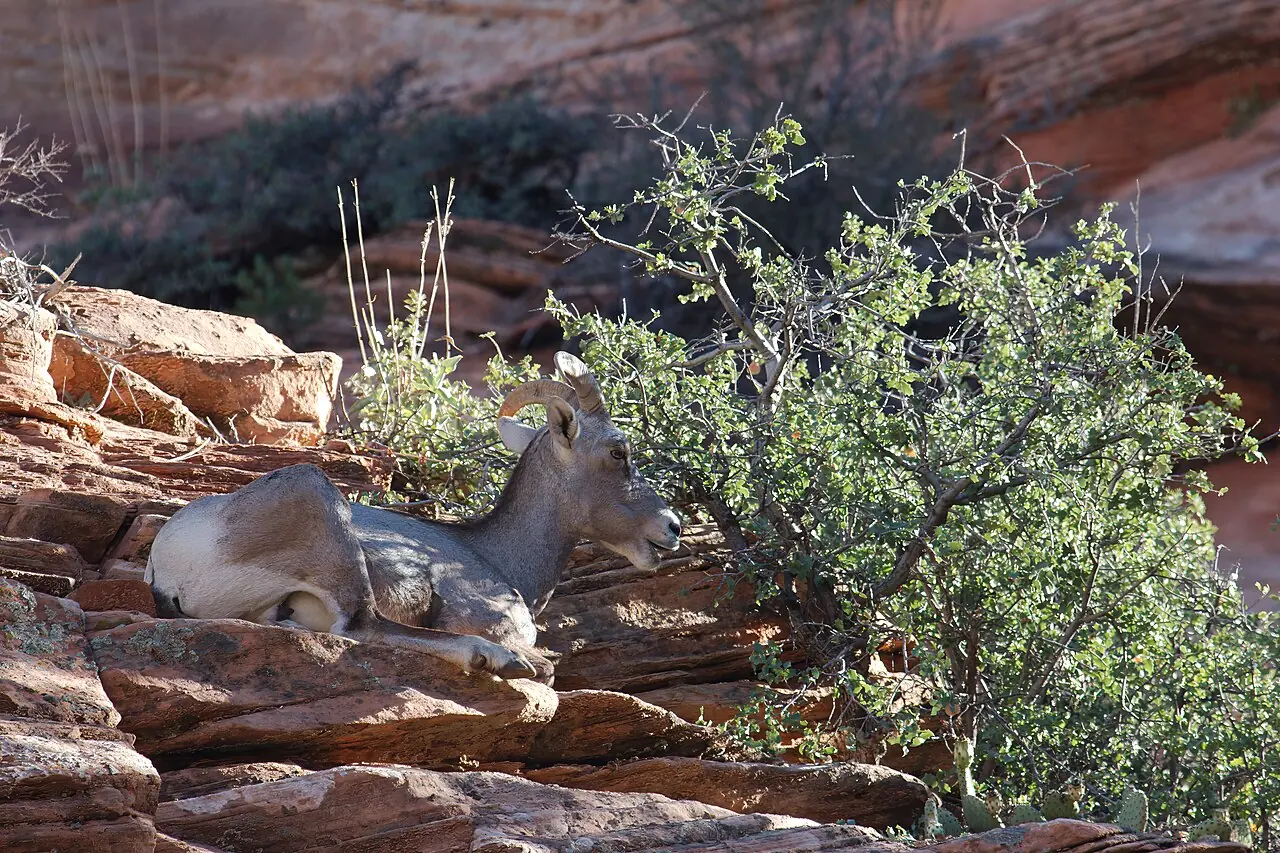
Desert bighorn sheep resting beside sandstone in Zion National Park
File photo: Desert bighorn sheep resting beside sandstone in Zion National Park (2014-09-22 10:34:38). Photo: ImagePerson · CC0 · Wikimedia Commons
Mammals

Desert bighorn sheep

Sure-footed sheep of the slickrock, restored to Zion after disappearing there.
Ovis canadensis nelsoni

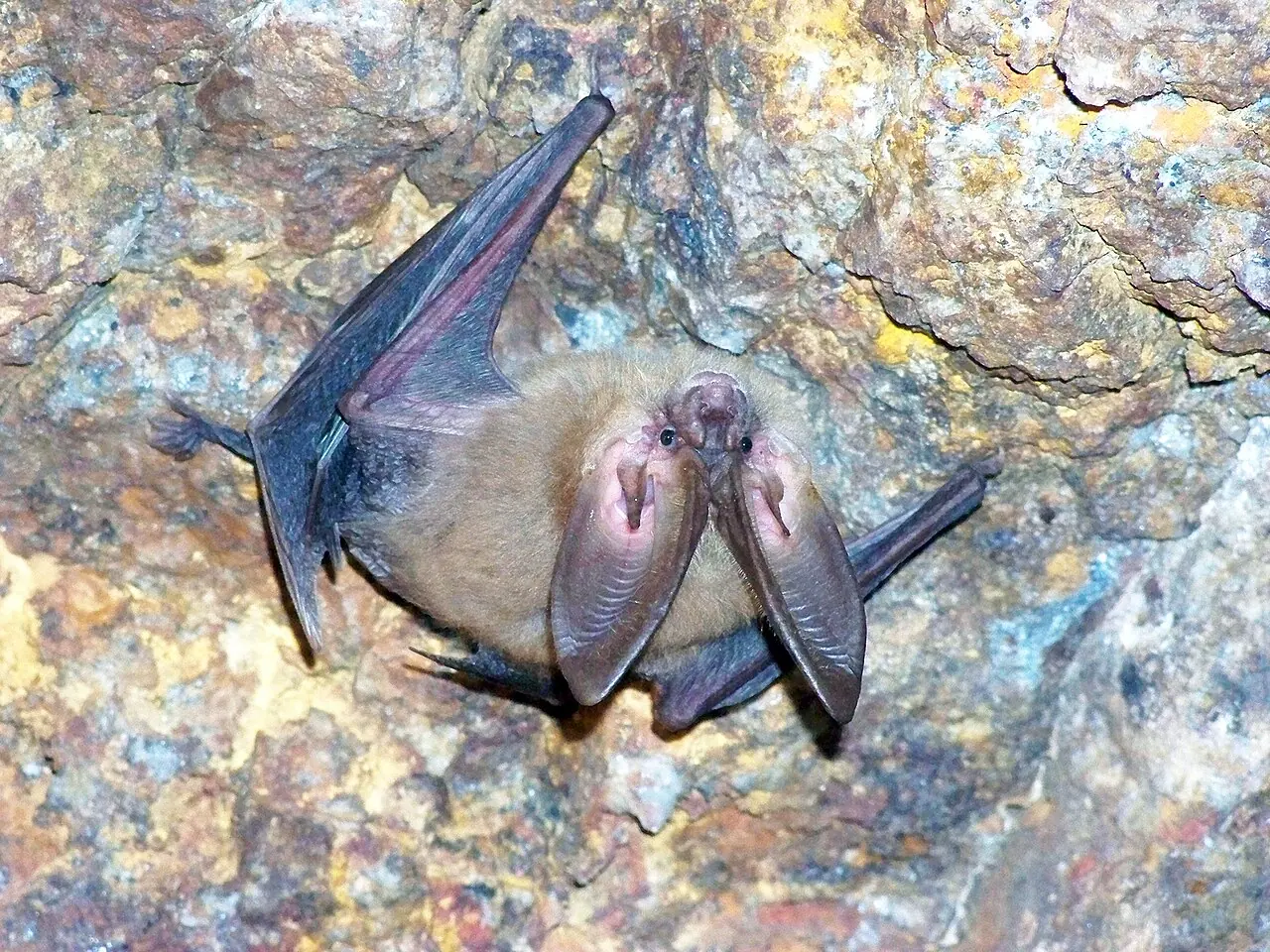
A Townsend’s big-eared bat hanging from rock
File photo: Townsend’s big-eared bat in Utah, BLM archive. One of the bat species found in the state. Photo: John Larson / BLM Utah · Public domain · Wikimedia Commons
Mammals

Bats

Insect-eating flying mammals whose lives depend on suitable roosts, water and a safe seasonal cycle.

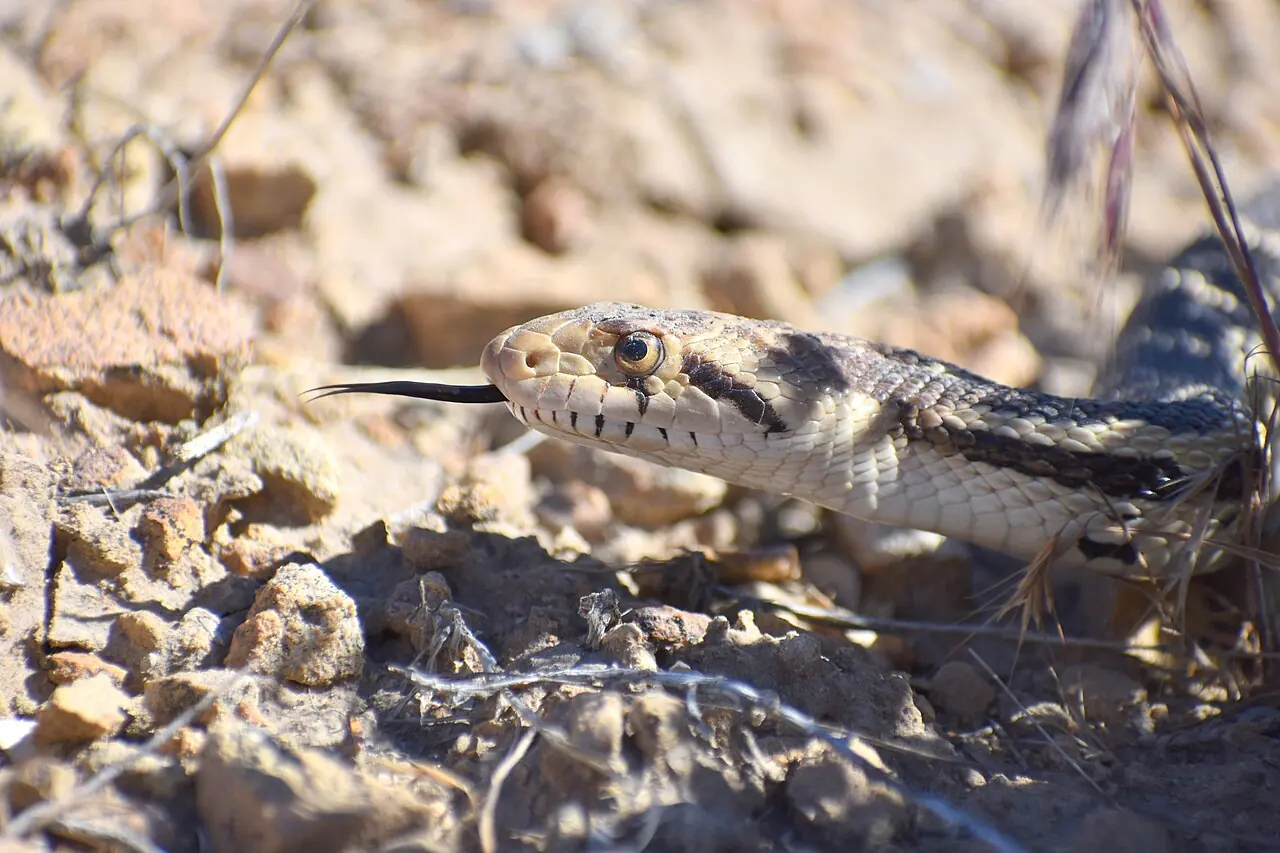
Close-up of a gopher snake on rocky ground
File photo: Gopher snake, Arches National Park archive, May 2017. One of Utah’s nonvenomous snake species. Photo: Marty Tow / National Park Service · Public domain · Wikimedia Commons
Reptiles

Snakes

A diverse group of native predators best appreciated without handling or close-range identification attempts.

Saved on this device. Statewide news and alerts remain available.