Snakes
A diverse group of native predators best appreciated without handling or close-range identification attempts.
Everything Utah, every day.
Help Utahns understand their communities and hold government accountable. Our mission →
Zion's longest snake is a nonvenomous constrictor that rattles its tail to bluff.
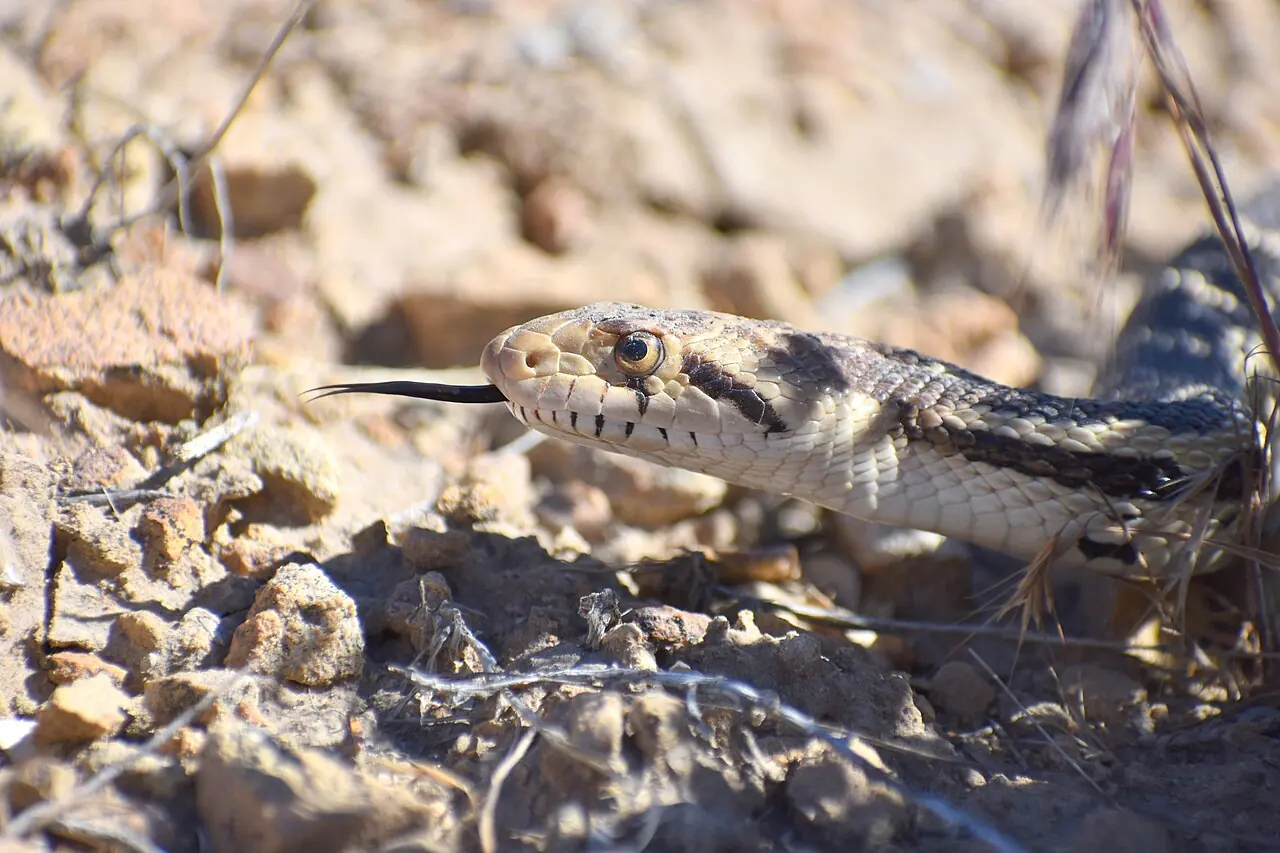
Gopher snakes are the longest snakes in Zion, reaching up to 92 inches. The base color is tan, cream, yellow or orange-brown with large brown, red, black or olive blotches down the back. They are constrictors, and pocket gophers make up a large share of what they eat.
When threatened, a gopher snake vibrates its tail rapidly, and the black bands on the tail resemble a rattle. That behavior is the reason many gopher snakes are mistaken for rattlesnakes, and why tail-shaking alone does not identify a rattlesnake. Zion reports them as widespread in the park, and they have even been seen swimming in the Virgin River.
Do not try to identify a snake by its head shape or tail, and do not get close enough to test it. Watch from a distance and give it room to leave. Leave the snake alone and let it move off; a photograph from a distance is enough to check later against Utah DWR's snake guidance.
Long, blotched, tan-to-orange snake that vibrates its tail when threatened.
Observe at a distance; do not handle, and do not try to separate gopher snakes from rattlesnakes by tail or head shape.

A diverse group of native predators best appreciated without handling or close-range identification attempts.

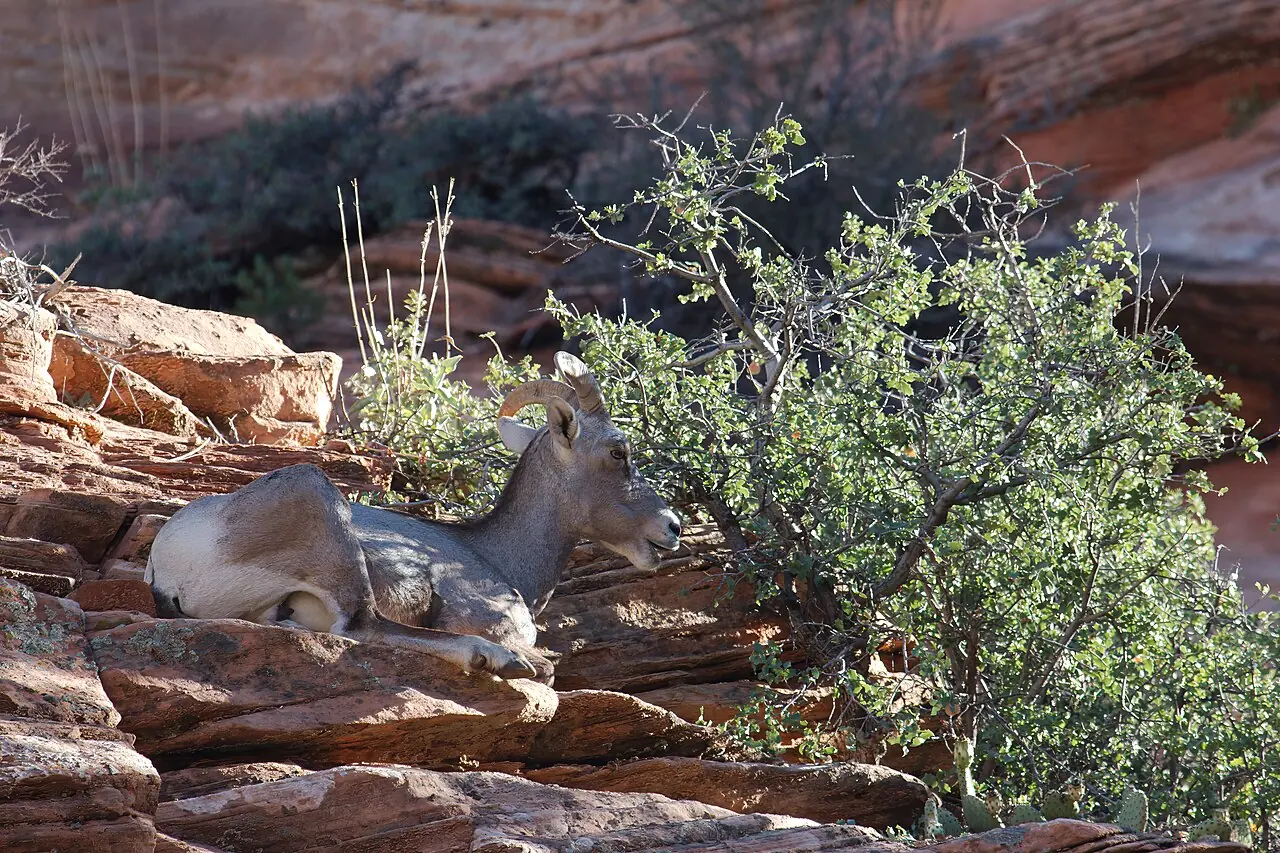
Sure-footed sheep of the slickrock, restored to Zion after disappearing there.


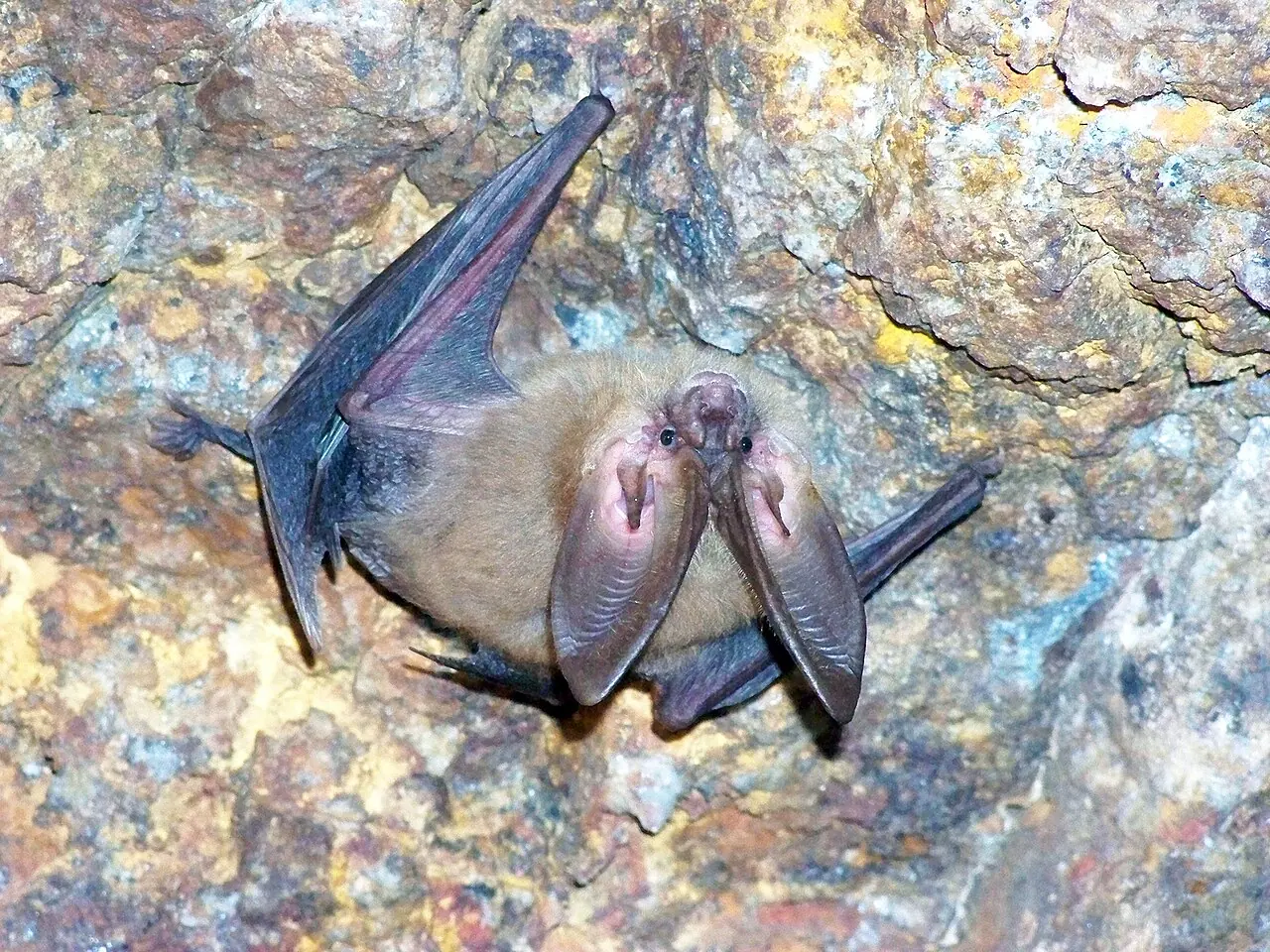
Insect-eating flying mammals whose lives depend on suitable roosts, water and a safe seasonal cycle.