Published by Paul Ivinskas
Monday, October 26, 2026

Everything Utah, every day.

Help Utahns understand their communities and hold government accountable. Our mission →

Wildlife & plants · Invertebrates

Coral Pink Sand Dunes tiger beetle

A pale dune beetle that shows why Utah's sand dunes are more than scenery.

The Coral Pink Sand Dunes tiger beetle is a small insect, about 10.5 to 12 millimeters long. Its head is bright green to bronze and its thorax brown to dull bronze, while the wing covers have very little pigment and look dull white. Females are larger than males. The pale wing covers are the part that sets it apart from other tiger beetles.

The beetle is named for the dunes, and its story is a reminder that a dune field can be a living habitat as well as a scenic landscape. Its federal record is dated: on October 2, 2013, the U.S. Fish and Wildlife Service withdrew a proposed rule to list it as threatened, concluding that threats had been reduced below the statutory definition, based on conservation efforts and its analysis of current and future threats.

A withdrawn proposal is not a statement that every concern has ended, so check the agency record for anything newer. Use only a photograph of this species for identification; a generic tiger beetle is not enough. Stay on marked routes and follow state park rules and signs in the dunes, and do not collect or disturb insects.

How to recognize it

Small tiger beetle with a green-to-bronze head and dull white wing covers.

Conservation

USFWS withdrew a proposed federal listing on October 2, 2013; check for any later action.

Watching and staying safe

Follow state park rules and signs in the dunes; do not collect or disturb insects.

Places the sources name

Examples from the sources, not a complete range or a sighting guide.

Related profiles

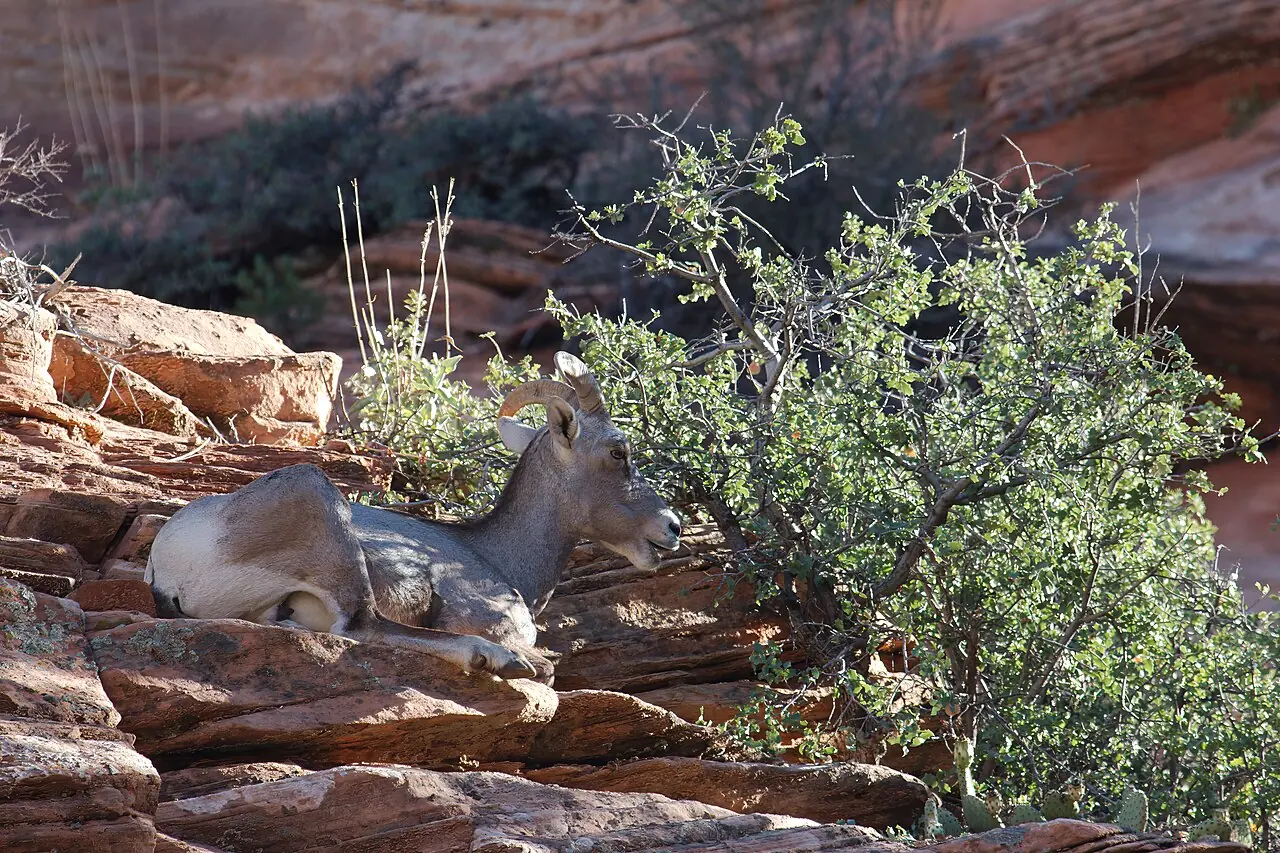
Desert bighorn sheep resting beside sandstone in Zion National Park
File photo: Desert bighorn sheep resting beside sandstone in Zion National Park (2014-09-22 10:34:38). Photo: ImagePerson · CC0 · Wikimedia Commons
Mammals

Desert bighorn sheep

Sure-footed sheep of the slickrock, restored to Zion after disappearing there.
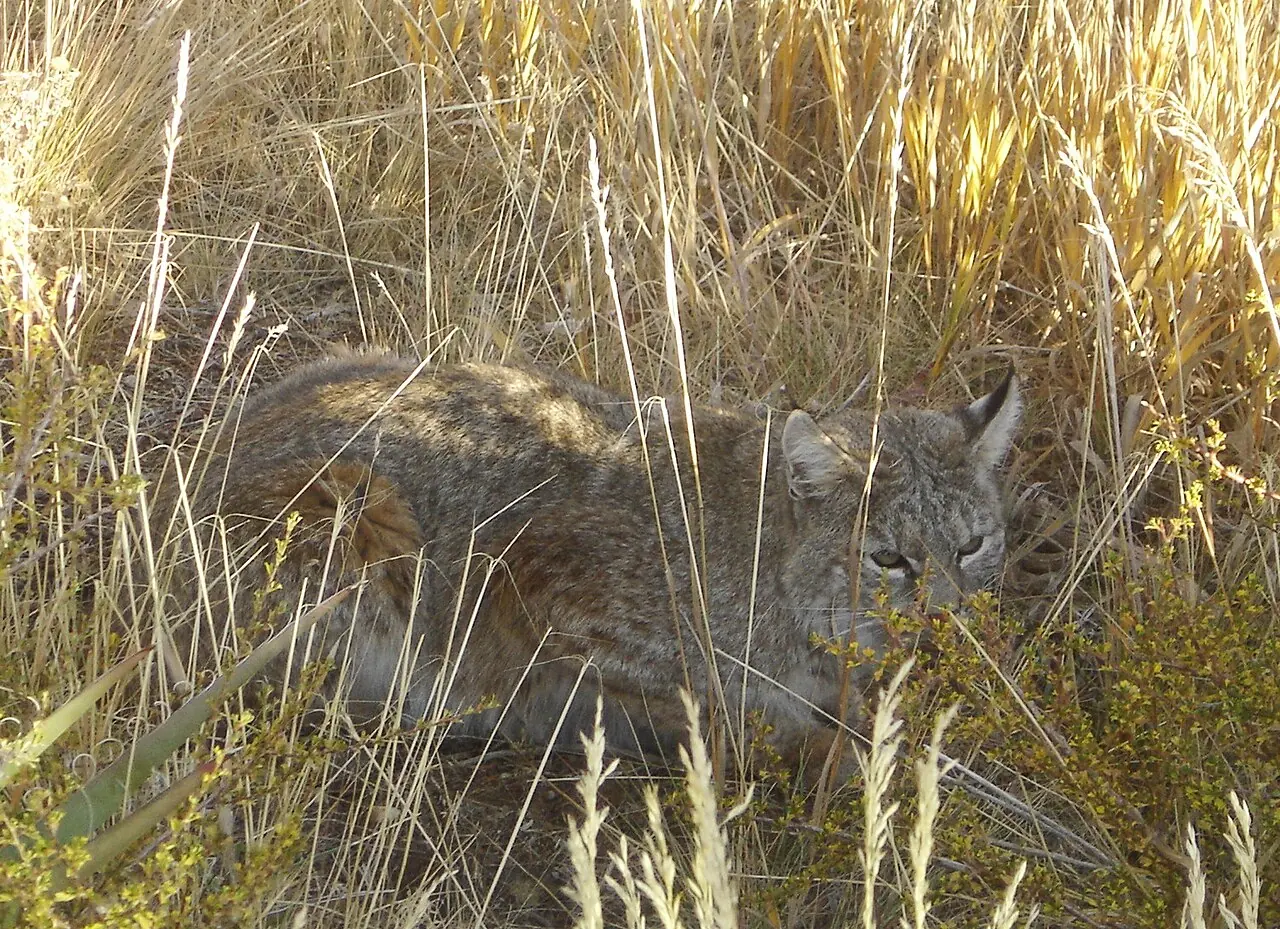
Ovis canadensis nelsoni

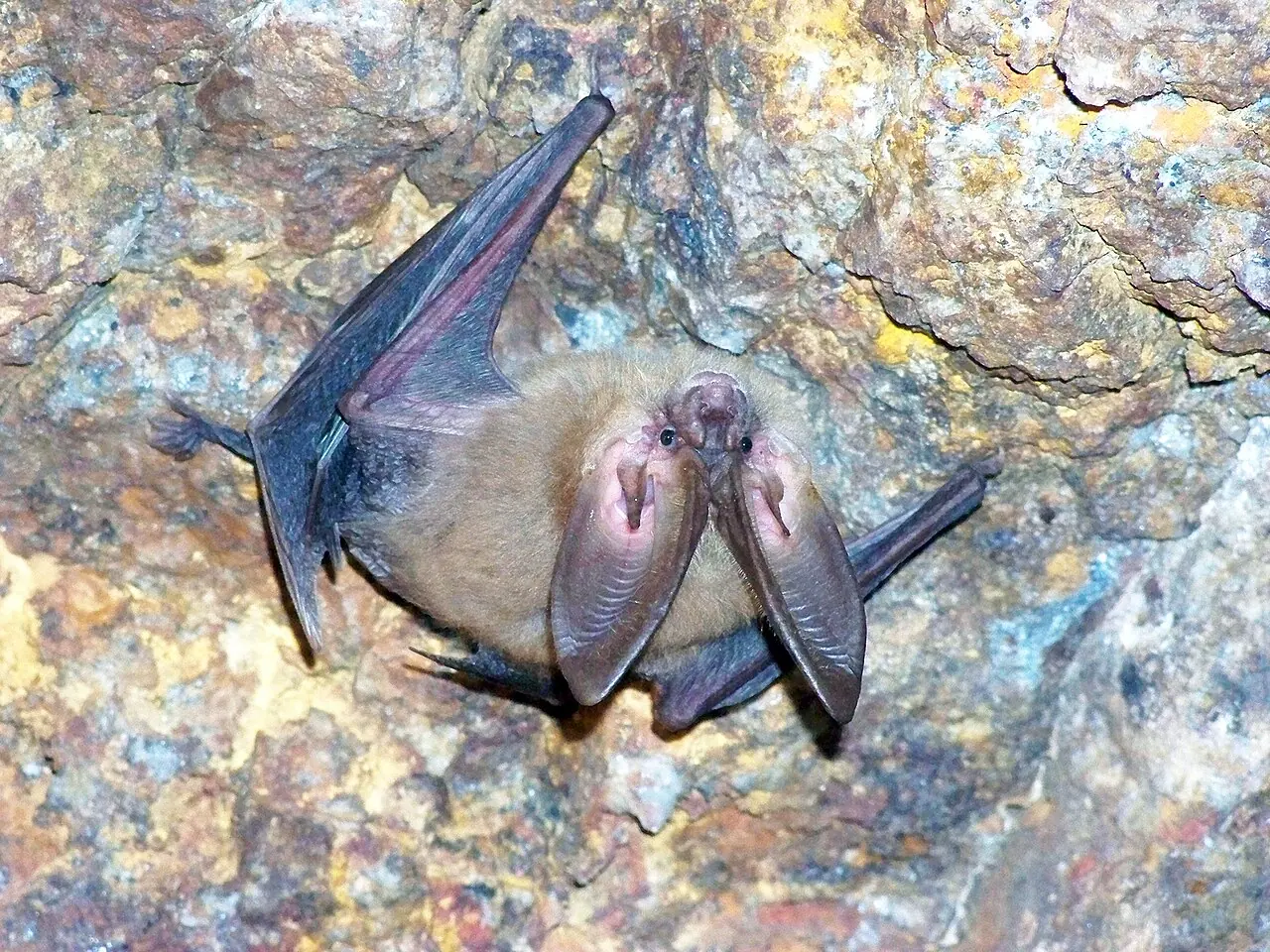
A Townsend’s big-eared bat hanging from rock
File photo: Townsend’s big-eared bat in Utah, BLM archive. One of the bat species found in the state. Photo: John Larson / BLM Utah · Public domain · Wikimedia Commons
Mammals

Bats

Insect-eating flying mammals whose lives depend on suitable roosts, water and a safe seasonal cycle.

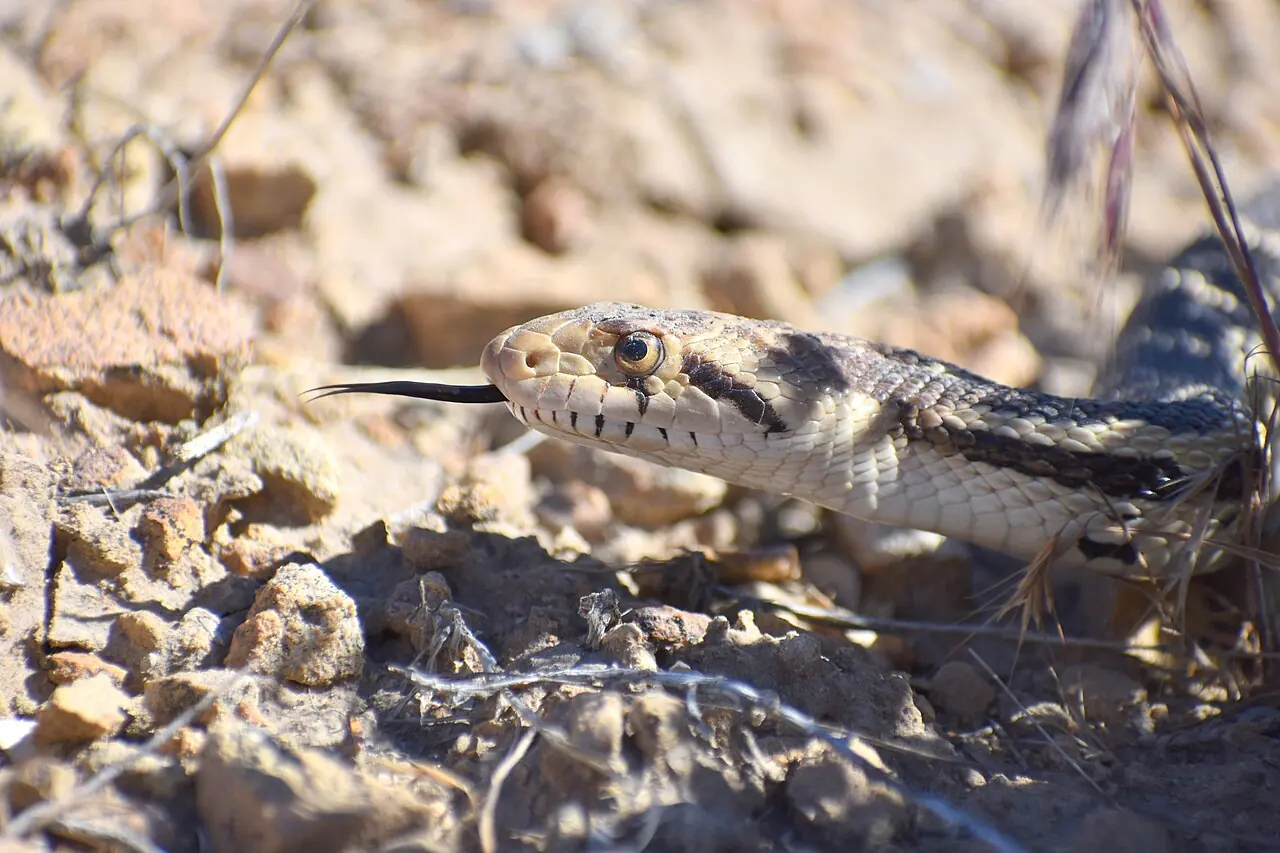
Close-up of a gopher snake on rocky ground
File photo: Gopher snake, Arches National Park archive, May 2017. One of Utah’s nonvenomous snake species. Photo: Marty Tow / National Park Service · Public domain · Wikimedia Commons
Reptiles

Snakes

A diverse group of native predators best appreciated without handling or close-range identification attempts.

Saved on this device. Statewide news and alerts remain available.