Mammals
Spotted bat
A black-and-white bat with very large pink ears, relatively common in southern Utah.
Everything Utah, every day.
Help Utahns understand their communities and hold government accountable. Our mission →
One of the most common Wasatch Front bats, and the one most likely to roost in a building.
The Natural History Museum of Utah calls the big brown bat one of the most common bats along the Wasatch Front. It is larger than most Utah bats, weighs about 14 to 19 grams and eats a range of flying insects, preferring beetles.
It uses many roosts: hollow trees, caves, mines and, more often than most species, buildings. Females mate in fall, store sperm over winter and give birth to a single young between May and July. Females gather in maternity colonies, and young are weaned at about a month.
Utah DWR says June to August is the hardest time for bat conflicts, because pups cannot fly and depend on their mothers. Bats are protected, so colony removal is not allowed in that period, and the agency advises waiting until the young fly before sealing a roost. If a bat gets inside the living area, open a window and let it leave, and never handle it bare-handed.
Large brown bat; usually the species that roosts in houses.
Do not seal or disturb a roost in summer; call a permitted nuisance wildlife company.
A black-and-white bat with very large pink ears, relatively common in southern Utah.
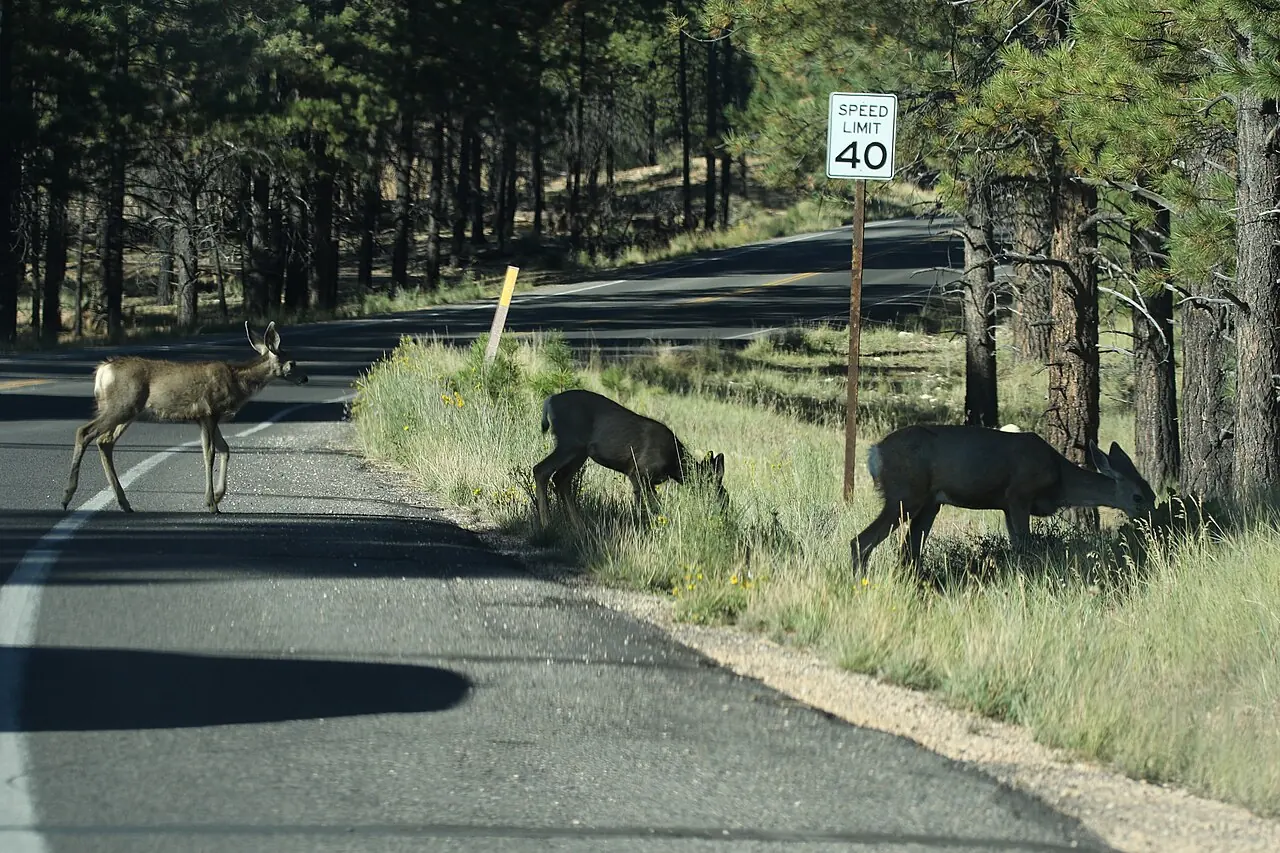
Found across Utah, from high mountains to city neighborhoods, and named for its large, mule-like ears.
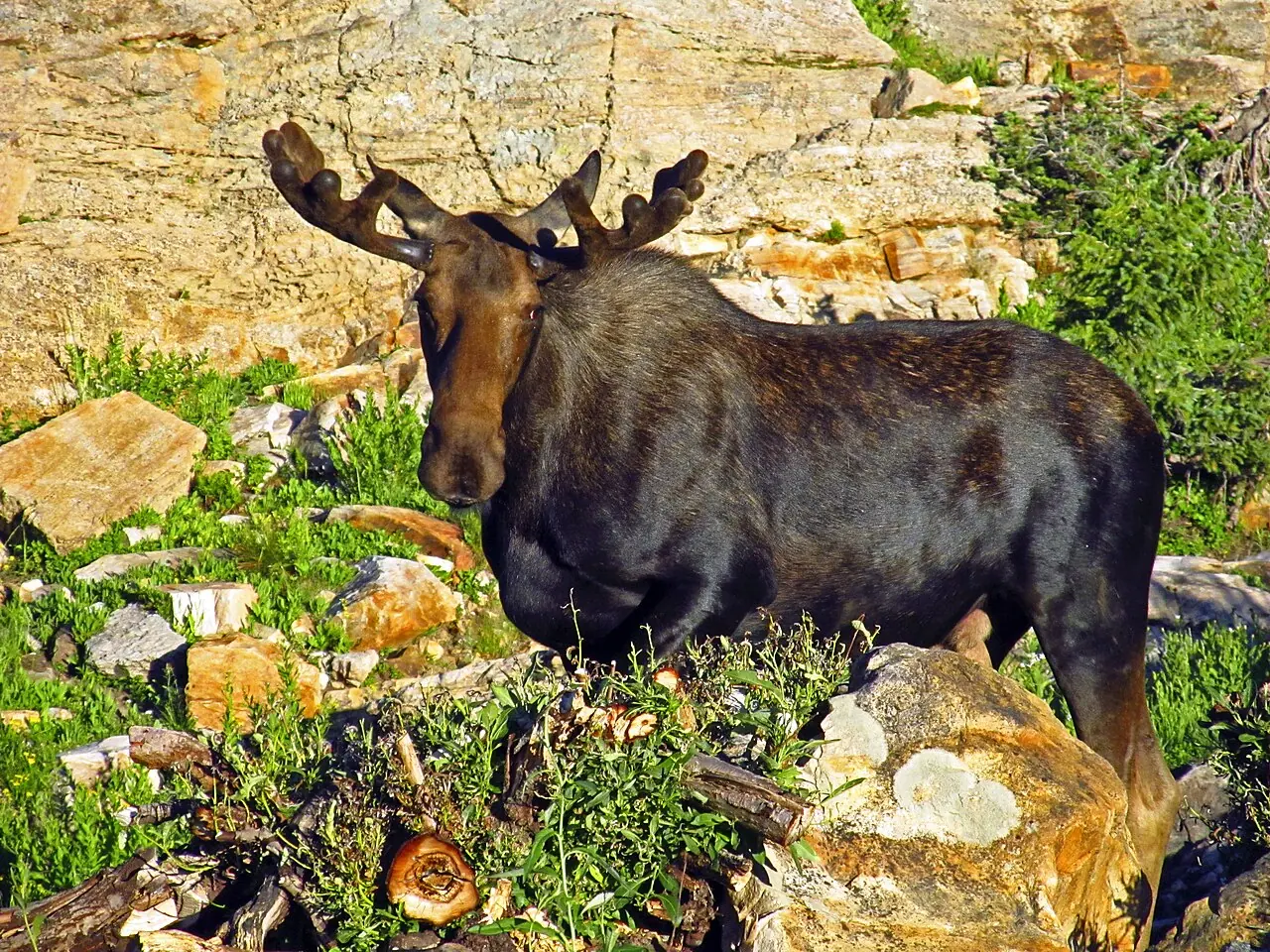
The largest member of the deer family in Utah, at home where northern mountain forest meets water.