Fish
Bonneville whitefish
One of Bear Lake's endemic fishes, which moves to rocky shorelines to spawn.
Everything Utah, every day.
Help Utahns understand their communities and hold government accountable. Our mission →
A deepwater Bear Lake endemic that feeds on tiny crustaceans.
The Bear Lake whitefish is one of the four fishes Utah DWR says are found nowhere else in the world, all in Bear Lake. It looks much like the Bonneville whitefish, but it lives differently.
In a 2006 USU study, Bear Lake whitefish dominated the deepest nets, 45 to 55 meters, in both spring and summer. They fed mostly on ostracods, tiny crustaceans, rather than the midge larvae the Bonneville whitefish favored.
The authors concluded that the two whitefish play very different roles in the lake and that both shallow and deepwater habitats need to be protected. Because the fish lives deep, it is not a species most visitors will encounter.
Similar to the Bonneville whitefish; identifying it needs an expert.
Handle all fish within the current regulations and never move fish between waters.
One of Bear Lake's endemic fishes, which moves to rocky shorelines to spawn.
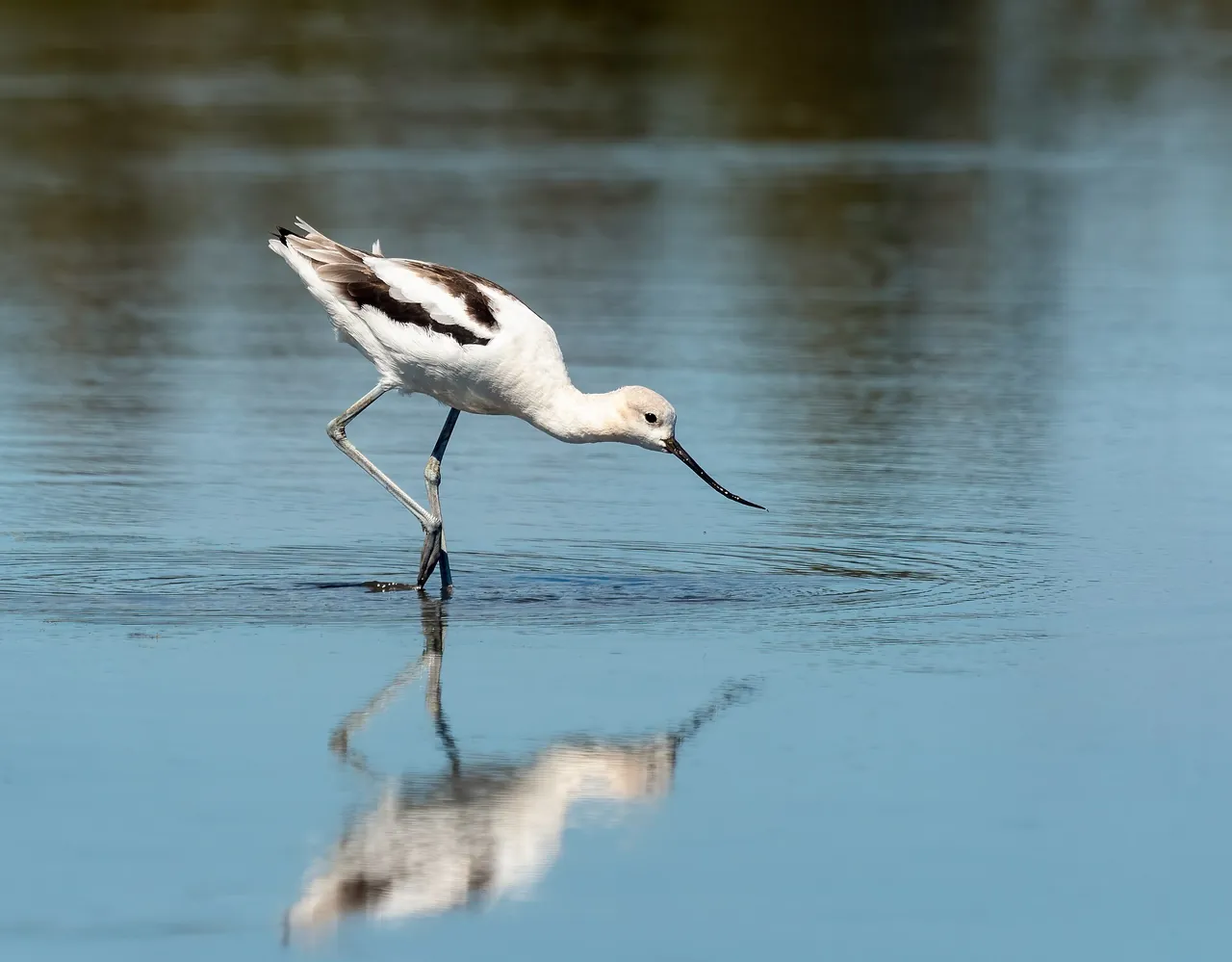
An upturned bill, blue-gray legs and a sweeping feeding motion make this wetland shorebird especially distinctive.
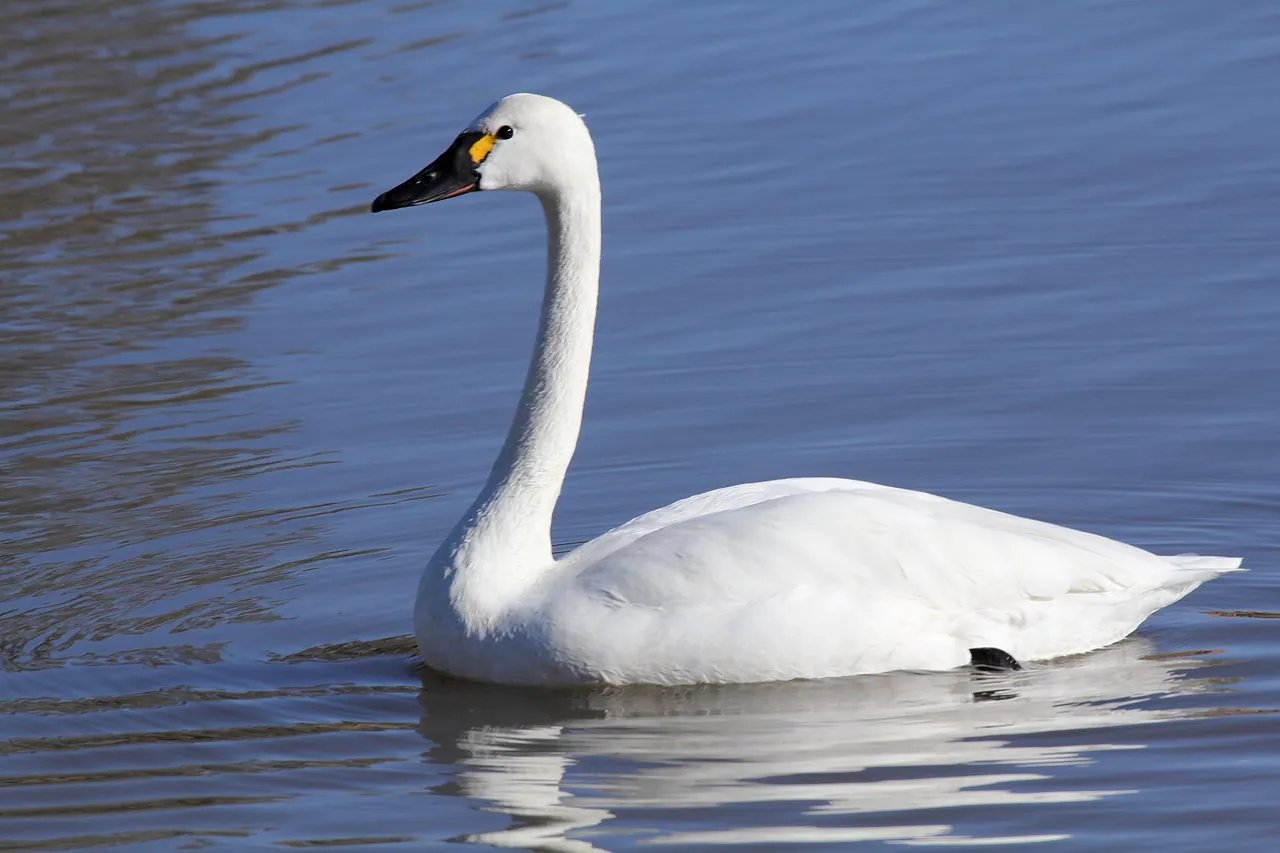
A large white migrant whose family groups link Utah's wetlands with Arctic nesting country.
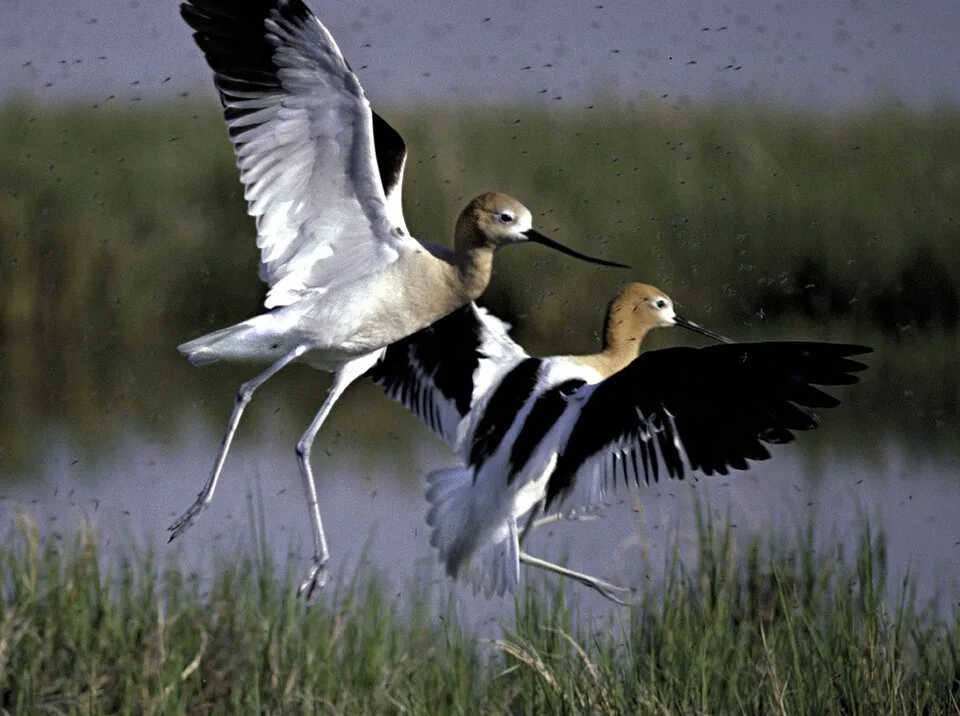
Read the refuge as a changing set of habitats, from shallow feeding flats to marsh cover and deeper water.